Have you ever wondered how many cat breeds there are in the world? If you’re a cat lover, knowing the variety of feline friends out there can be both exciting and surprising.
Whether you’re thinking about adopting a new pet or just curious about these mysterious creatures, this article will give you clear answers. By the end, you’ll have a better understanding of the many unique cats that share our homes and hearts.
Keep reading, and discover the fascinating world of cat breeds in 2019!

Credit: www.ebay.com
Global Cat Breed Count
Tracking the total number of cat breeds worldwide can be tricky. The count varies depending on which organization you ask. This global cat breed count reflects how diverse and fascinating the feline world truly is.
Official Breed Registries
Several major cat breed registries set the standards and officially recognize breeds. The Cat Fanciers’ Association (CFA) lists around 44 breeds, while The International Cat Association (TICA) recognizes about 73. Each registry has its own criteria for breed recognition, which affects their breed count.
These registries maintain breed standards, health guidelines, and organize cat shows. If you’ve ever attended a cat show, you might have noticed how they categorize cats differently based on the registry they follow. This is a clear example of why breed counts vary.
Variations Across Organizations
Not all organizations agree on what counts as a distinct breed. Some include color variations and patterns as separate breeds, while others group them under one breed umbrella. This leads to discrepancies in total breed numbers.
For instance, the World Cat Federation (WCF) recognizes about 69 breeds, some overlapping with CFA and TICA, but with unique inclusions too. You might wonder, how do these differences affect breeders or cat lovers?
Understanding these variations can help you make informed choices if you want to adopt or breed cats. Which registry’s standards do you trust most when choosing a new feline friend?
Popular Cat Breeds
Cat lovers often ponder over the variety of feline breeds worldwide. Each breed possesses unique qualities. Certain breeds capture more attention due to their distinctive traits. Let’s explore these popular breeds and what makes them stand out.
Top Breeds By Popularity
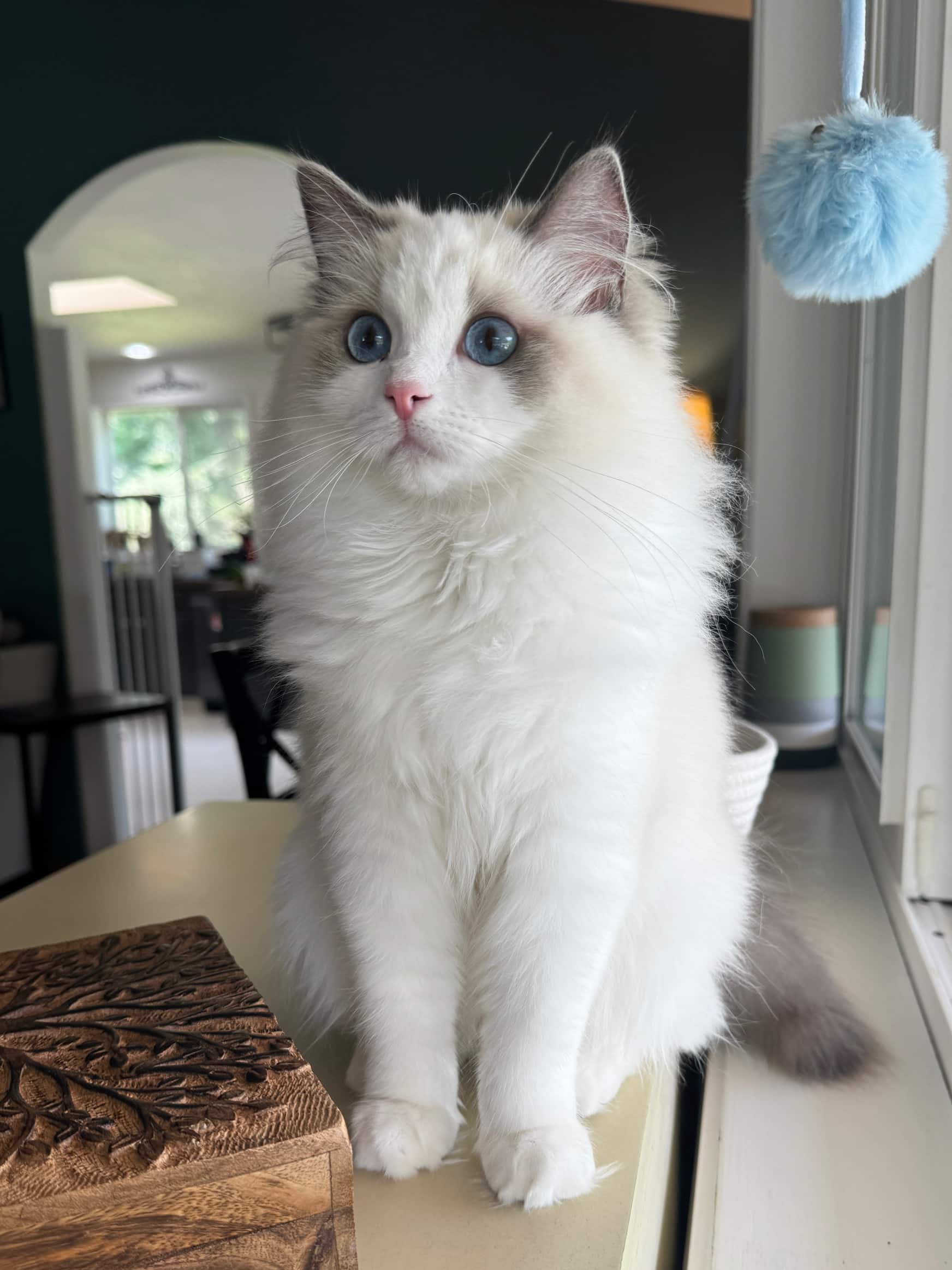
Some cat breeds consistently top the popularity charts. The Siamese cat is famous for its striking blue eyes and sleek body. The Maine Coon is another favorite, known for its large size and gentle nature. Persian cats attract with their luxurious coats and calm demeanor. Ragdolls, with their affectionate nature, are adored by many. These breeds often become household names due to their charming personalities.
Unique Traits Of Popular Breeds
Each breed has traits that captivate cat enthusiasts. Siamese cats are known for their vocal communication. They love interacting with their owners. Maine Coons boast tufted ears and bushy tails, resembling mini lions. Their intelligence makes them excellent companions. Persians have a flat face and a sweet expression, requiring regular grooming. Ragdolls are famous for their tendency to go limp when held, hence their name. Their docile nature makes them perfect lap cats. These characteristics make each breed special and beloved by cat owners worldwide.
Rare And Exotic Breeds
Rare and exotic cat breeds offer a glimpse into the incredible diversity of the feline world. These breeds often have unique looks and personalities that set them apart from more common cats. If you’re fascinated by unusual pets, understanding these rare breeds can help you decide if one might be the right companion for you.
Characteristics Of Rare Breeds
Rare cat breeds often display striking physical traits. Some have unusual coat patterns or colors, like the Bengal’s leopard-like spots or the Lykoi’s wolf-like appearance.
Personality-wise, these cats can be quite distinct too. The Serengeti, for example, is known for its active and playful nature, unlike many typical domestic cats.
Many rare breeds also have special care needs because of their unique genetics. This can affect everything from their grooming to their health.
Challenges In Breeding
Breeding rare and exotic cats is not straightforward. Finding healthy breeding pairs that meet breed standards can be difficult, especially when the population is small.
Genetic health issues are a real concern. Breeders must carefully manage bloodlines to avoid inherited diseases, which requires experience and dedication.
Another challenge is maintaining the breed’s unique traits while ensuring the cats remain healthy. This balance is tough to achieve and requires long-term commitment.
Have you ever wondered what it takes behind the scenes to bring a rare cat breed to your local shelter or pet store? The process is more complex than many realize, involving careful planning and expert knowledge.
Credit: www.thewildlifediaries.com
Breed Classification Criteria
Understanding how cat breeds are classified helps you appreciate the diversity in the feline world. Breed classification is not random; it follows clear criteria that experts use to distinguish one breed from another. These criteria cover physical traits, behavior, and genetics, giving you a complete picture of what makes each breed unique.
Physical Features
Physical features are the most obvious way to tell cat breeds apart. This includes size, coat color, fur length, and eye shape. For example, the sleek body and short coat of a Siamese contrast sharply with the fluffy, thick fur of a Maine Coon.
Even small differences matter, like ear shape or tail length. You might notice that some breeds have tufted ears or curled tails. Paying attention to these details helps you identify breeds more accurately.
Behavioral Traits
Behavior plays a huge role in breed classification too. Some cats are naturally more social and playful, while others prefer solitude and quiet. The Bengal, for instance, is known for its high energy and curiosity, unlike the more laid-back British Shorthair.
Have you ever noticed how certain cats respond differently to strangers or toys? These behavioral quirks often run in families and help breeders classify breeds beyond looks.
Genetic Factors
Genetics is the scientific backbone of breed classification. DNA testing reveals how closely related different cats are and confirms breed origins. This is why two cats that look similar might belong to different breeds genetically.
Understanding genetic traits can also alert you to health issues common in a breed. If you want a healthy cat, knowing the genetic background helps you make better choices. Would you want to adopt a cat without knowing its genetic risks?
Breed Recognition Process
The breed recognition process shapes the official list of cat breeds worldwide. Each breed must meet strict standards to gain recognition. This process ensures consistency and quality in the cat breeding community.
Recognition protects the breed’s unique traits and helps breeders maintain purity. It also informs cat shows and helps owners understand breed characteristics. The process requires careful documentation and approval from expert bodies.
Steps To Official Recognition
The process begins with identifying a distinct breed with unique features. Breeders document the breed’s history, appearance, and behavior. They present this information to cat associations for evaluation.
Breeders must show several generations of cats with consistent traits. The breed undergoes a trial period in cat shows to prove its stability. Judges assess the breed’s traits against the proposed standard.
Once the breed meets all criteria, it receives provisional recognition. After further observation and confirmation, full recognition is granted. This step-by-step process can take several years.
Role Of Cat Associations
Cat associations act as governing bodies for breed recognition. They set the standards for each breed’s appearance and temperament. Associations also organize shows and competitions to test new breeds.
These organizations review breed applications and research submitted data. They involve experts who understand genetics, health, and breed history. Associations maintain official breed registries and promote breed education.
Different associations may have varied recognition rules. Some are more strict, while others accept new breeds faster. Their decisions shape the global understanding of cat breeds.
Trends In Cat Breeding 2019
Cat breeding in 2019 showed some interesting shifts that caught the attention of both enthusiasts and casual pet owners. Breeders began focusing on traits that suit modern lifestyles, making cats not only beautiful but also adaptable companions. If you’ve ever wondered what’s new in the world of cat breeds, the trends from that year offer some surprising insights.
Emerging Breeds
New cat breeds started gaining recognition in 2019, often created by crossing existing breeds to combine desirable traits. The Lykoi, known as the “werewolf cat” because of its unique coat, attracted attention for its striking appearance and playful personality.
Another example is the Bambino, a short-legged breed that appeals to people who want a distinctive look with a friendly temperament. These emerging breeds challenge traditional ideas about what cats can look like and how they behave.
Do you think a new breed could fit better into your home than a classic one?
Changes In Breed Popularity
While some breeds like the Maine Coon and Siamese remained favorites, there was a noticeable shift toward breeds with low maintenance coats. The Sphynx, with its hairless body, grew in popularity among those who want less shedding and fewer allergens.
Additionally, breeds known for their sociable and adaptable nature, such as the Ragdoll, saw increased demand. This trend reflects how many owners now prioritize a cat’s temperament as much as its looks.
Are you choosing your next cat based on appearance alone, or have you thought about personality and lifestyle fit?
Credit: cats.fandom.com
Frequently Asked Questions
How Many Cat Breeds Existed Worldwide In 2019?
In 2019, there were approximately 70 recognized cat breeds globally. Different cat associations may list slightly varied numbers. This diversity reflects unique traits and origins from around the world.
Which Organization Defines Official Cat Breeds?
The International Cat Association (TICA) and Cat Fanciers’ Association (CFA) are main bodies. They set breed standards and officially recognize cat breeds internationally.
Are New Cat Breeds Still Being Developed?
Yes, breeders continue developing new breeds by selective breeding. This process aims to enhance specific traits or introduce unique characteristics over time.
What Factors Determine A Cat Breed Classification?
Breed classification depends on physical traits, genetic lineage, and temperament. Breed standards include coat type, color patterns, body shape, and personality features.
Conclusion
The world holds many unique cat breeds. Each breed has its own charm and traits. Cat lovers enjoy learning about their differences. Knowing the number of breeds helps appreciate their variety. Cats bring joy and comfort to many homes. Exploring breeds can inspire future pet choices.
The list of cat breeds may change over time. Stay curious and enjoy the fascinating cat world.

Leave a Reply