
Are you thinking about breeding cats but don’t know where to begin? Breeding cats can be a rewarding experience, but it takes more than just love for felines.
You need the right knowledge, preparation, and care to ensure healthy kittens and happy cats. You’ll discover the essential steps to start breeding cats, important tips to keep your cats safe, and what to expect along the way. By the end, you’ll feel confident and ready to take the next step in your cat breeding journey.
Keep reading to unlock everything you need to know!
Choosing The Right Cat Breeds
Choosing the right cat breeds is a crucial step in successful cat breeding. The breed you select impacts everything from the kittens’ health to their temperament and market demand. Understanding breed characteristics helps you make informed decisions that benefit both you and the cats.
Popular Breeds For Breeding
Some cat breeds are more sought after in the breeding world due to their unique looks or friendly nature.
- Siamese:Known for their striking blue eyes and vocal personality, Siamese cats are a favorite among breeders and owners alike.
- Maine Coon:This large, fluffy breed is loved for its gentle disposition and adaptability to families.
- Bengal:Bengals have a wild appearance with their spotted coats, making them stand out in the market.
- Persian:With their luxurious coats and calm temperament, Persians attract buyers looking for a lap cat.
Which breed aligns with your goals—show quality, family pets, or something unique?
Traits To Consider
Temperament plays a major role in choosing a breed for breeding. You want cats that are sociable and easy to handle.
Look at activity levels too. Breeds like Abyssinians are energetic, while Ragdolls tend to be more laid-back.
Physical traits such as coat type and color patterns can influence demand. Ask yourself: will the breed’s appearance attract the buyers you want?
Health And Genetic Factors
Good breeding starts with healthy cats. Research common genetic issues in the breed you’re interested in.
Screening your cats for hereditary diseases protects future litters from avoidable health problems.
Remember, ethical breeding means prioritizing the cats’ wellbeing over quick profits. Are you ready to invest in proper health testing and care?
Preparing For Cat Breeding
Preparing for cat breeding requires careful planning and attention. Healthy cats create healthy kittens. Start with a full health evaluation to avoid risks. Create a calm, safe space for the breeding process. Proper nutrition supports the mother’s health and kitten development. These steps set a strong foundation for successful breeding.
Health Checkups And Vaccinations
Schedule a vet visit for both cats before breeding. The vet will check for diseases and parasites. Vaccinations must be up to date to prevent infections. Testing for genetic conditions is important for purebred cats. Treat any health issues before starting the breeding process. Good health reduces risks for both mother and kittens.
Setting Up A Safe Environment
Choose a quiet, clean room for the cat to live in. Remove hazards like sharp objects or toxic plants. Provide soft bedding and a warm place to rest. Keep the area free from loud noises and stress. Prepare separate spaces for the mother and kittens. Clean the environment regularly to prevent illness.
Nutrition And Care For Breeding Cats
Feed a high-quality diet rich in proteins and nutrients. Increase food portions during pregnancy and nursing periods. Fresh water must always be available. Monitor weight to ensure the cat stays healthy. Offer supplements only if the vet recommends them. Regular grooming helps maintain the cat’s comfort and health.
Breeding Process Basics
Breeding cats requires understanding their natural processes. It’s not just about pairing two cats. You need to know the basics for a successful outcome. This includes recognizing the heat cycle, mating techniques, and signs of success.
Identifying The Heat Cycle
Cats have a distinct heat cycle. This is when they are ready to mate. Female cats may become more affectionate. They might also vocalize more. You might notice them arching their back. This is a sign they are in heat. The cycle can last for several days.
Mating Techniques
Successful mating requires patience. Introduce the cats in a calm environment. Let them get comfortable with each other. Mating usually occurs naturally. Some breeders may guide the process gently. Make sure both cats are healthy and of suitable age.
Signs Of Successful Breeding
After mating, watch for signs of success. The female may become less vocal. She might seem calmer. Weight gain can be another sign. Monitor her behavior and health closely. A vet can confirm pregnancy through tests.

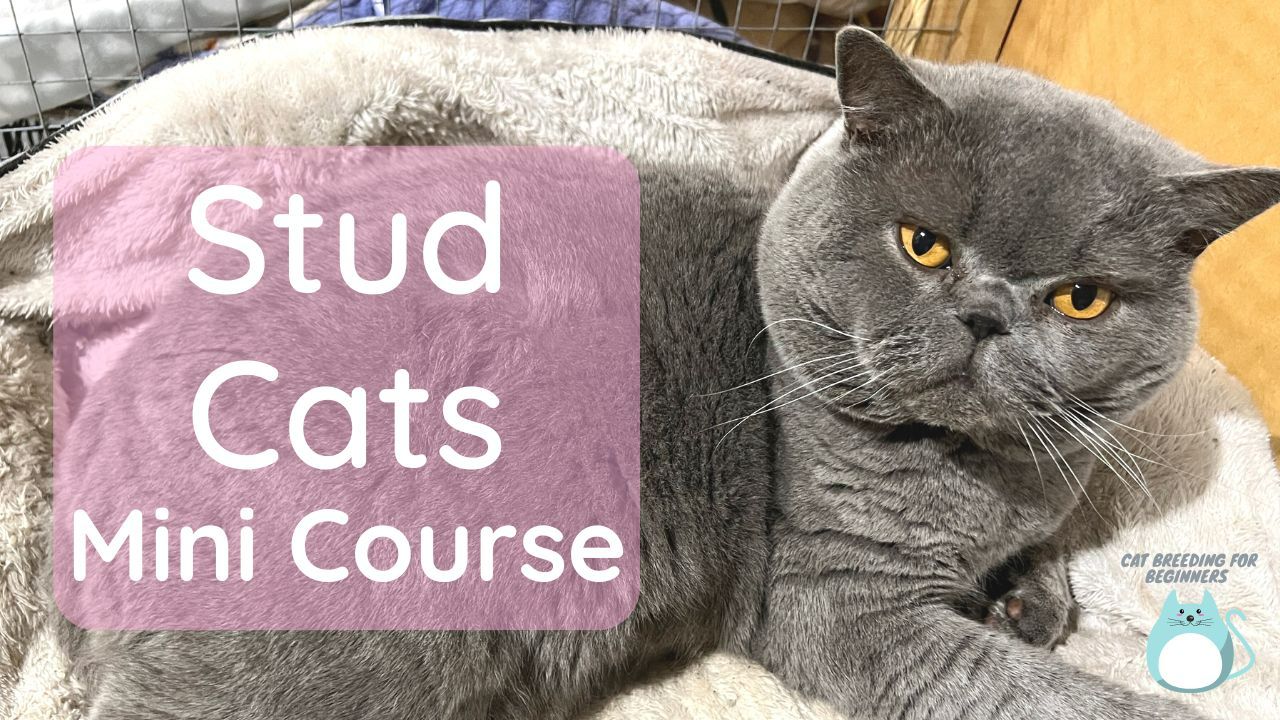
Credit: www.catbreedingforbeginners.com
Pregnancy And Whelping
Pregnancy and whelping are critical stages in cat breeding that require your full attention and care. Understanding what your cat needs during this time can make a huge difference in the health of both the mother and her kittens. You’ll want to be prepared, observant, and ready to support your cat throughout the entire process.
Gestation Period And Care
The average gestation period for cats is about 63 to 65 days, roughly nine weeks. During this time, your cat’s appetite will increase, and she may seek more privacy and comfort.
Provide a balanced diet rich in protein and keep fresh water available at all times. Regular vet check-ups are essential to monitor the pregnancy and catch any potential issues early.
Watch for subtle signs like nesting behavior or changes in activity levels. These clues help you understand how your cat is feeling and what she might need next.
Preparing For Birth
Set up a quiet, warm, and safe space for your cat to give birth. Use a box lined with clean towels or soft blankets that you can change regularly.
Keep this area free from noise and other pets to reduce stress. Your cat will look for a secure place, so let her explore and settle in well before the due date.
Gather essential supplies like clean towels, disposable gloves, iodine for umbilical cord care, and a heating pad to keep the kittens warm if needed.
Assisting During Labor
Most cats give birth without help, but you should be ready to assist if complications arise. Stay calm and observe the progression carefully.
- Signs of labor include restlessness, vocalizing, and contractions.
- Allow your cat to deliver naturally but be prepared to gently remove membranes from the kittens if the mother doesn’t do it.
- If a kitten is stuck or if labor lasts more than a few hours without progress, contact your veterinarian immediately.
Remember, your presence can be reassuring, but avoid unnecessary interference. Your cat will thank you by staying healthy and nurturing her new family well.
Caring For Kittens
Caring for kittens is a crucial part of breeding cats. Proper care ensures kittens grow healthy and happy. Their early weeks need special attention for feeding, social skills, and health. This section covers essential tips on how to support your kittens during this delicate time.
Feeding And Nutrition
Kittens need high-quality food made for their growth stage. In the first weeks, mother’s milk provides all nutrients. If the mother is unavailable, use kitten milk replacer. Avoid cow’s milk as it can cause stomach upset.
Start introducing wet kitten food around four weeks. Mix it with water or milk replacer for easy eating. Feed small amounts several times a day. Fresh water must always be available.
Socialization And Development
Social skills develop from two to nine weeks old. Handle kittens gently every day to build trust. Let them explore a safe area with siblings and toys. This helps them learn play and communication.
Expose kittens to different sounds and gentle human contact. Avoid frightening experiences. Proper socialization reduces fear and behavior problems later.
Health Monitoring
Check kittens daily for signs of illness or discomfort. Look for clear eyes, clean noses, and normal breathing. Watch their weight and growth progress.
Keep their living space clean and warm. Schedule vet visits for vaccinations and deworming. Early health care prevents many common problems.
Legal And Ethical Considerations
Before you start breeding cats, it’s crucial to understand the legal and ethical responsibilities involved. Breeding isn’t just about pairing cats; it requires careful attention to laws and the well-being of both the parents and kittens. Ignoring these considerations can lead to serious consequences for you and the animals involved.
Breeding Regulations
Check your local and national laws regarding cat breeding. Many areas require licenses or permits to breed animals legally. These regulations often include standards for housing, health checks, and record-keeping to protect animal welfare.
Failing to comply with these rules can result in fines or losing your breeding privileges. You might also need to register with a cat breeding association if you want to sell pedigreed kittens. Are you prepared to keep detailed records and meet inspections?
Ethical Breeding Practices
Ethical breeding means prioritizing the health and temperament of your cats over profit. Avoid breeding cats with known genetic health problems or bad temperaments. Responsible breeders test for common diseases and only mate cats that improve the breed.
Think about the quality of life for both the parents and their kittens. Are you ready to provide proper veterinary care, socialization, and safe living conditions? Ethical breeding demands time, money, and emotional investment.
Finding Good Homes For Kittens
Finding responsible owners is one of the most important parts of breeding. Screen potential buyers carefully to ensure they understand cat care and are committed for the long term. A good home means the kitten will be loved and cared for, not abandoned or neglected.
Consider asking adopters questions like:
- Do they have experience with cats?
- Are they aware of the breed’s specific needs?
- Will the kitten be indoor-only or have outdoor access?
You might also want to create a contract that outlines the responsibilities of the new owner. What steps will you take if a home doesn’t work out? Planning ahead protects the kittens and your reputation as a breeder.
Common Challenges And Solutions
Breeding cats brings excitement and joy, but it also comes with its set of challenges. Understanding these obstacles helps you prepare better and care more effectively for your cats. Let’s look at some common issues and practical ways to handle them.
Health Issues In Breeding Cats
Breeding cats face unique health risks that require close attention. Regular veterinary check-ups are essential to catch problems early. You must watch for signs like lethargy, loss of appetite, or unusual behavior, which often indicate health concerns.
Genetic disorders can surface in certain breeds. Testing breeding cats for hereditary diseases before mating helps reduce risks. Vaccinations and parasite control also protect both the mother and kittens from infections.
Nutrition plays a critical role in maintaining your cat’s health. Providing high-quality food rich in protein and essential nutrients supports pregnancy and kitten development. Have you reviewed your cat’s diet lately to ensure it meets breeding needs?
Dealing With Unsuccessful Breeding
Not every breeding attempt will succeed, and that can be frustrating. Infertility or complications during mating are common hurdles. Patience is key; sometimes it takes multiple cycles for cats to conceive.
If unsuccessful breeding continues, consult a vet to check for reproductive issues. Hormonal imbalances or infections might be the cause. Keeping detailed breeding records can help you and your vet identify patterns or problems.
Stress can also affect fertility. Creating a calm environment and minimizing disruptions during the breeding period can improve success rates. How do you ensure your cats feel safe and relaxed?
Managing Multiple Litters
Handling several litters at once demands organization and time management. Each litter needs individual care, including feeding, cleaning, and socialization. You must set up separate, clean spaces to prevent cross-contamination and stress.
Tracking each kitten’s health and development is crucial. Use charts or digital tools to monitor weight gain, vaccinations, and milestones. This helps you spot any issues early and provide timely care.
Enlisting help can make managing multiple litters easier. Whether it’s family members or experienced friends, extra hands can reduce your workload and ensure each kitten gets attention. What support system do you have in place for busy breeding seasons?

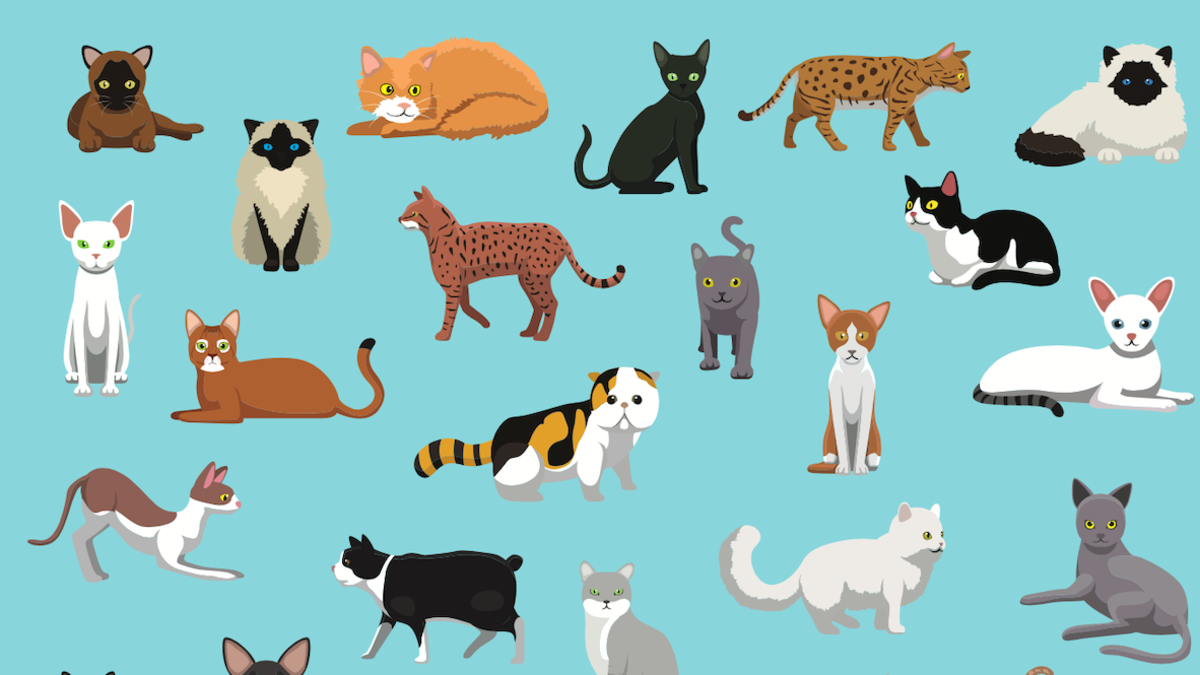
Credit: cats.fandom.com
Resources And Support
Starting to breed cats requires solid resources and reliable support. These help ensure healthy cats and a smooth breeding process. Access to the right information and expert advice makes a big difference. It also helps beginners avoid common mistakes and care for cats properly.
Veterinary Assistance
A good veterinarian is essential in cat breeding. They offer health checks and vaccinations for breeding cats. Regular vet visits prevent diseases and detect health problems early. Vets also guide on pregnancy care and kitten health. Always keep emergency contacts of experienced vets ready.
Breeding Communities
Joining a breeding community connects you with experienced breeders. These groups share tips, advice, and support. They offer a place to ask questions and learn from real experiences. Many communities meet online or in person. Being part of one helps build confidence and knowledge.
Educational Materials
Books, articles, and videos provide valuable cat breeding knowledge. Choose materials from trusted sources and experts. Learn about genetics, cat behavior, and breeding ethics. Study care routines for pregnant cats and newborn kittens. Consistent learning improves your skills and results.
Credit: www.catbreedingforbeginners.com
Frequently Asked Questions
What Are The First Steps To Start Breeding Cats?
Begin by researching cat breeds and genetics. Choose healthy breeding cats. Prepare a safe, clean environment. Consult a vet for health checks and vaccinations before breeding.
How Do I Choose The Right Cat For Breeding?
Select cats with strong health, good temperament, and breed standards. Avoid genetic defects. Prioritize compatibility and pedigree to ensure healthy and desirable offspring.
What Are The Essential Health Checks Before Breeding Cats?
Perform full veterinary exams, including vaccinations and parasite control. Test for hereditary diseases relevant to the breed. Ensure both cats are healthy and free of infections.
How Long Is A Cat’s Gestation Period?
A cat’s gestation lasts about 63 to 65 days. Monitor the queen’s health closely during this time and provide proper nutrition.
Conclusion
Starting a cat breeding journey takes care and patience. Know your cats’ health and genetics well. Provide a safe, clean space for mothers and kittens. Learn about feeding, vet visits, and kitten care. Breeding cats is a big responsibility, not just fun.
Think about the cats’ welfare at every step. Keep learning and ask experts for advice. This helps you give the best life to your cats. Breeding can be rewarding if done with care and respect.

Leave a Reply