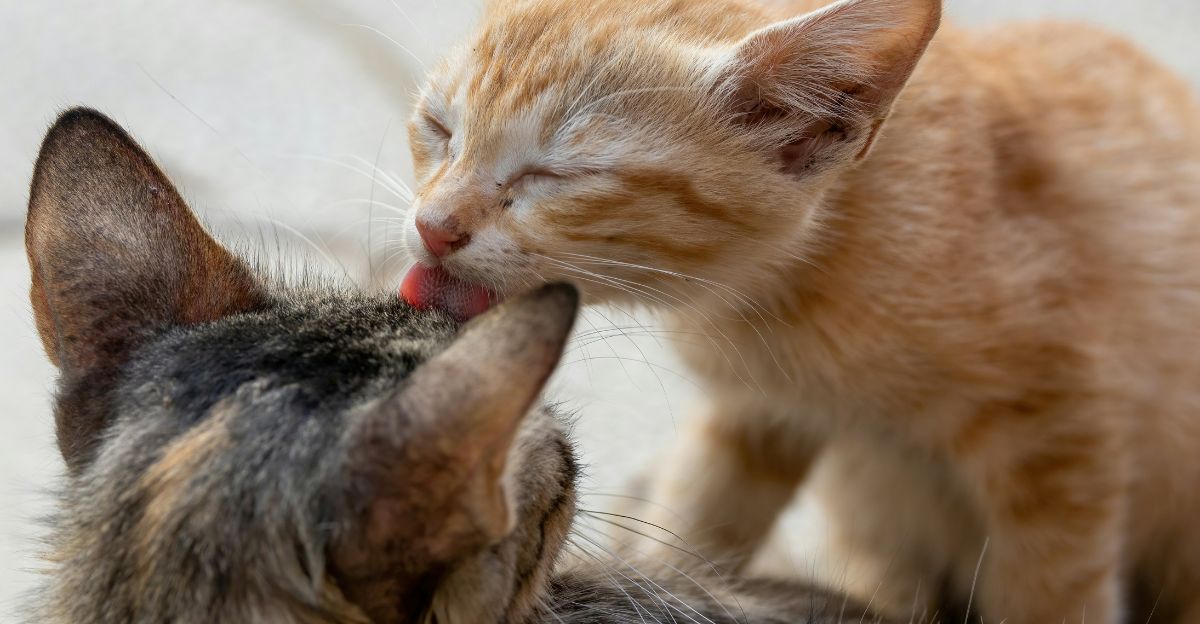
Have you ever watched two cats grooming each other and noticed one suddenly biting the other? It might seem strange or even a little alarming.
You may wonder, why do cats bite when grooming each other? Understanding this behavior can help you better read your cat’s body language and strengthen the bond between your furry friends. You’ll discover the surprising reasons behind these gentle nips and what they really mean in the world of cats.
Keep reading, because the answer might change how you see your cats’ relationships forever.
Grooming Behavior In Cats
Cats spend a surprising amount of time grooming themselves and each other. This behavior isn’t just about staying clean; it’s a key part of how they communicate and connect. Watching two cats grooming can reveal a lot about their relationship and social structure.
Social Bonding Through Grooming
Grooming between cats is a way to strengthen their social bonds. When your cats lick or nibble each other, it’s a sign of trust and friendship. This mutual grooming helps reduce stress and creates a sense of safety.
Think about how your cats behave after a grooming session. Do they seem more relaxed or close? That’s because grooming releases feel-good hormones like oxytocin, which deepens their connection.
Common Grooming Techniques
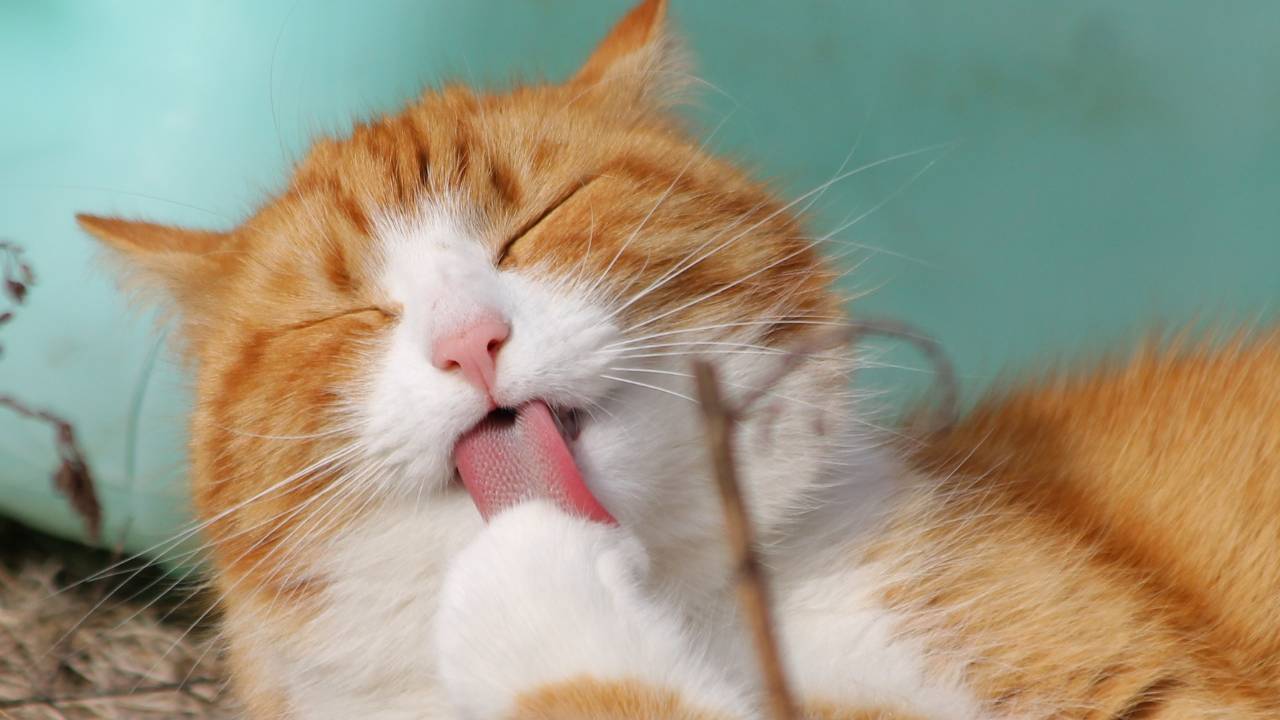
Cats use a mix of licking, gentle nibbling, and sometimes light biting when grooming each other. The licking removes dirt and loose fur, while the nibbling can help with hard-to-reach spots or tangled fur.
But why the biting? Often, it’s a careful, controlled bite rather than aggressive biting. It’s like a way to hold fur steady or to break up mats without hurting the other cat. If you see biting that seems rough, it might be a sign that the cat is uncomfortable or wants the grooming to stop.
Have you noticed your cats using different grooming styles depending on who they’re grooming? Observing these details can teach you a lot about their preferences and relationships.
Reasons Behind Biting During Grooming
Cats biting during grooming is common and natural. It may seem strange, but it holds meaning. Understanding why cats bite helps us see their behavior better. Grooming is more than cleaning. It’s a way cats bond and communicate. Biting during grooming shows different feelings and messages.
Communication And Boundaries
Biting can be a clear message to a cat friend. It tells them to stop or slow down. Cats use gentle bites to say, “Enough grooming now.” This helps keep comfort and trust between them. Biting sets limits on how much touching they accept.
Overstimulation And Sensitivity
Sometimes grooming feels too intense. Cats have sensitive spots on their bodies. Too much licking or touching can cause discomfort. Biting is a quick way to react. It signals, “This is too much for me.” This helps prevent stress or irritation during grooming.
Playfulness And Hunting Instincts
Cats also bite out of play. Grooming can turn into a fun game. Their natural hunting skills come alive. Biting mimics how they catch prey. It is part of their playful nature and keeps their minds sharp. These bites are usually gentle and not meant to hurt.
Signs To Watch During Grooming
Understanding the signs to watch during grooming is crucial for any cat owner. Cats often groom each other as a sign of affection, but sometimes this behavior can include biting. Knowing what to look out for can help you ensure your cats are happy and healthy during their grooming sessions.
Body Language Cues
Observe your cats closely. They communicate a lot through their body language. Relaxed ears, a calm tail, and gentle purring usually indicate contentment during grooming.
If your cat’s ears suddenly flatten or their tail starts flicking, they might be getting annoyed. Pay attention to these subtle cues. They can help you intervene before a simple grooming session turns into a wrestling match.
When Biting Becomes Aggression
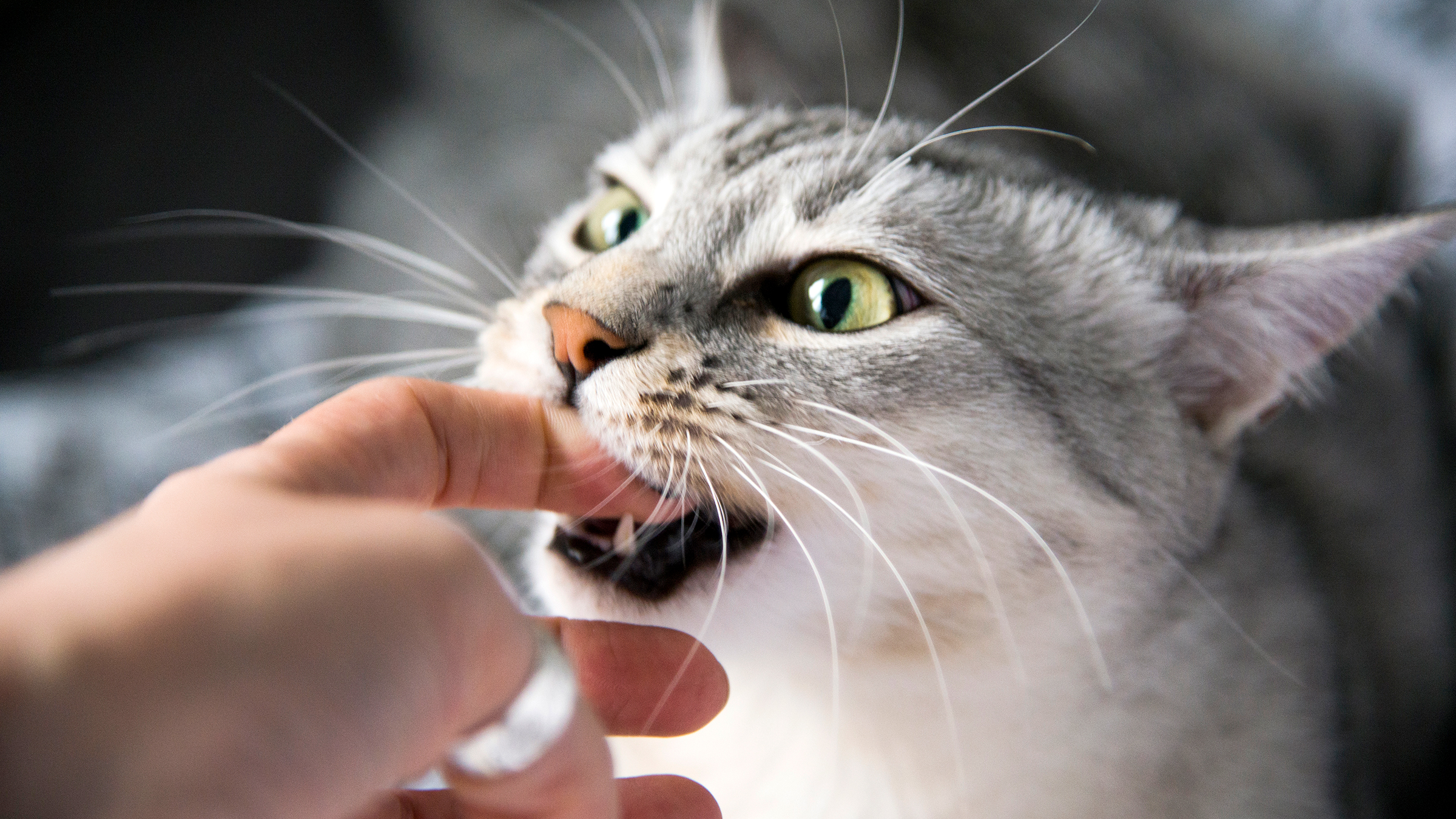
Biting can be a natural part of grooming, but it’s important to recognize when it’s crossed the line. A gentle nibble might just be your cat’s way of saying “I love you,” but hard bites can signal aggression.
Have you noticed a sudden escalation in biting? This might mean that one cat is feeling overwhelmed or that there’s an underlying issue. Perhaps a visit to the vet is in order if this behavior becomes a pattern.
Ask yourself: Are my cats often biting each other aggressively? If so, it might be time to step in and assess their environment. Perhaps they need more space or separate feeding areas to reduce tension.
Credit: americanpaws.club
How Cats React To Grooming Bites
Cats use grooming bites as a way to interact and bond. These bites are usually gentle and part of their social behavior. Their reactions to these bites show how they feel about the grooming session and the other cat involved. Understanding these reactions helps decode cat communication.
Tolerance Levels Among Cats
Each cat has a different tolerance for grooming bites. Some enjoy light nibbles and stay calm. Others may pull away or hiss if the bite is too hard. A cat’s mood and personality affect how much biting it accepts. Older or more dominant cats often tolerate bites better. Younger or shy cats may react quickly to bites.
Mutual Grooming Dynamics
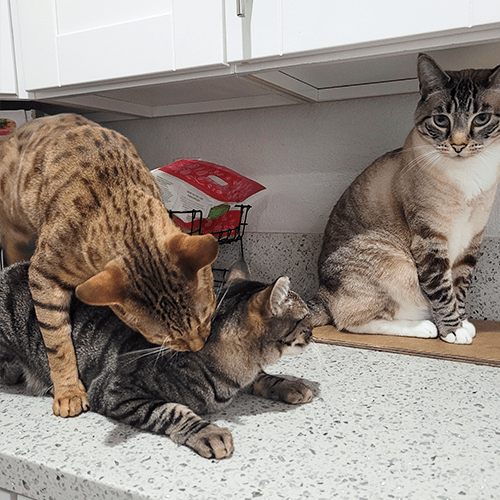
Mutual grooming is a two-way process. Cats take turns grooming and biting gently. This sharing builds trust and strengthens their bond. Bites during grooming are usually soft and controlled. If one cat bites too hard, the other may stop grooming or walk away. This balance keeps the relationship healthy and respectful.
Preventing Harmful Biting
Preventing harmful biting during cat grooming is important for their safety and comfort. Cats may bite due to stress, excitement, or miscommunication. Taking steps to reduce biting helps keep their bond strong and peaceful.
Creating A Calm Environment
A calm environment helps cats feel safe and relaxed during grooming. Choose a quiet room free from loud noises and sudden movements. Soft lighting and comfortable temperatures also make cats more at ease.
Provide cozy spots where cats can rest and observe before grooming. This reduces anxiety and lowers the chance of biting. Keep their favorite toys or blankets nearby to add familiarity.
Redirecting Aggressive Behavior
Redirect biting with gentle distractions. Offer toys or treats to shift their focus away from biting. Use soft play objects that encourage healthy interaction.
Interrupt biting by calmly separating the cats for a short time. This gives them space to cool down. Repeat grooming sessions in shorter periods to avoid overstimulation.
Observe body language closely. Signs like twitching tails or pinned ears signal stress. Act quickly to prevent biting before it starts.
Credit: www.goodrx.com
Comparing Grooming Bites To Other Cat Bites
Cats use biting in different ways to communicate. Grooming bites are gentle and part of social bonding. Other bites, like play or aggressive bites, have different meanings and styles. Knowing these differences helps understand your cat’s behavior better.
Play Biting Vs. Grooming Biting
Play biting is common in young cats and kittens. It is soft but can be a bit rough. Cats use their mouths like hands during play. They bite but rarely break the skin. Play bites often come with pouncing and chasing.
Grooming bites are softer and more controlled. These bites help remove dirt and loose fur. Cats bite gently to avoid hurting each other. This shows trust and friendship between cats. Grooming bites happen during licking and cleaning sessions.
Aggressive Biting Characteristics
Aggressive bites are hard and quick. They usually cause pain or injury. Cats bite aggressively to defend themselves or their territory. These bites come with hissing, growling, or raised fur. The cat’s body language looks tense and angry.
Unlike grooming bites, aggressive bites are not part of bonding. They signal fear, anger, or frustration. The bite marks are deeper and may bleed. Aggressive biting needs careful attention and sometimes training.
Credit: trapandreturn.com
Frequently Asked Questions
Why Do Cats Bite During Mutual Grooming?
Cats bite gently during grooming to show affection and establish trust. It’s a social bonding behavior, not aggression. The bites help remove dirt and loose fur, strengthening their relationship and communication.
Is Biting Normal In Cat Grooming Behavior?
Yes, gentle biting is normal and part of cat grooming. It helps clean hard-to-reach spots and is a sign of comfort and friendship between cats.
Can Grooming Bites Hurt Cats?
Usually, grooming bites are gentle and don’t hurt. However, if bites become hard or aggressive, it may indicate stress or irritation that needs attention.
Do Cats Groom Each Other To Show Dominance?
Grooming can involve subtle dominance, but biting usually signals affection. Cats use grooming to build social bonds more than to assert power.
Conclusion
Cats bite gently during grooming to show affection and care. This behavior helps them bond and keep each other clean. Sometimes, the bite feels a little sharp but it is not meant to hurt. Cats trust each other and use biting as a way to communicate.
Understanding this helps you see their friendship better. Watching cats groom can teach us about their social world. It’s a natural part of their life and shows they feel safe together.

Leave a Reply