Thinking about bringing a cat into your home is exciting, especially if you want a specific breed. But buying a cat from a breeder isn’t as simple as picking one out and taking it home.
There are important things you need to know to make sure you get a healthy, happy pet and avoid surprises later. From choosing the right breeder to understanding your future cat’s needs, this guide will help you make smart decisions.
Keep reading to discover what you must check before making this big commitment. Your new feline friend is counting on you!

Credit: www.petscare.com
Choosing The Right Breeder
Choosing the right breeder is key to finding a healthy and happy cat. This decision affects your cat’s health, behavior, and happiness. Take time to learn about breeders before making a choice. A good breeder cares about the animals and their future homes.
Researching Breeder Reputation
Start by checking the breeder’s reputation online. Read reviews from other buyers. Look for any complaints or warnings. Ask local vets or cat clubs about trusted breeders. A breeder with a good reputation usually follows ethical practices.
Visiting Breeding Facilities
Visit the breeder’s facility in person. See the living conditions of the cats. The area should be clean, safe, and spacious. Cats should look healthy and happy. A visit helps confirm if the breeder treats animals well.
Asking About Breeding Practices
Ask the breeder how they care for their cats. Inquire about health checks and vaccinations. Learn about their selection process for breeding cats. Good breeders avoid close inbreeding and test for diseases. They should answer all your questions clearly and honestly.
Health Considerations
Health is the top priority when buying a cat from a breeder. Knowing the kitten’s health history helps avoid future problems. A healthy start leads to a happy life. Understanding key health factors protects both you and your new pet.
Checking Vaccination Records
Vaccinations protect kittens from common diseases. Always ask the breeder for detailed vaccination records. Confirm the kitten has received age-appropriate shots. Missing vaccines can risk illness soon after bringing the kitten home.
Vaccination records also show if the kitten has had boosters. Keep these records safe for your vet visits. A responsible breeder will provide clear, up-to-date health documents.
Understanding Genetic Testing
Genetic testing reveals inherited diseases in a kitten’s family line. Ask if the breeder tests for breed-specific conditions. Tests help reduce risks of future health issues. This information supports better care for your cat.
Good breeders share genetic test results openly. This shows their commitment to healthy breeding. Genetic health tests can include screenings for heart, kidney, and eye diseases.
Spotting Signs Of A Healthy Kitten
Look for clear eyes without discharge or redness. The nose should be clean and moist. Ears must be free of dirt and smell. Healthy kittens have shiny, soft fur and a clean coat.
Watch the kitten’s behavior. Active, curious kittens usually feel well. Avoid kittens that cough, sneeze, or seem lethargic. Good health means a kitten ready to explore and play.
Breed Characteristics
Breed traits shape a cat’s behavior, size, and care needs. Knowing these helps choose a cat that fits your home and lifestyle. Each breed has unique features to consider before buying.
When choosing a cat from a breeder, understanding breed characteristics is crucial. Different breeds have unique traits that affect their behavior and care needs. Knowing these traits helps in making an informed decision.Matching Breed Traits To Lifestyle
Every cat breed has distinct traits. Some cats are playful, others more relaxed. Consider your lifestyle when choosing a breed. Active breeds need more playtime. Less active breeds suit quieter homes. Research breeds to find a good match.Temperament And Activity Levels
Cats vary in temperament. Some are sociable, others shy. Active cats need lots of stimulation. They enjoy toys and climbing. Calmer cats prefer lounging. Choose a breed that matches your energy level. This ensures harmony at home.Grooming And Care Needs
Grooming needs differ among breeds. Long-haired cats need regular brushing. Short-haired cats need less grooming. Some breeds are prone to specific health issues. Regular vet visits are important. Understand grooming needs before choosing a breed. Proper care keeps your cat healthy and happy.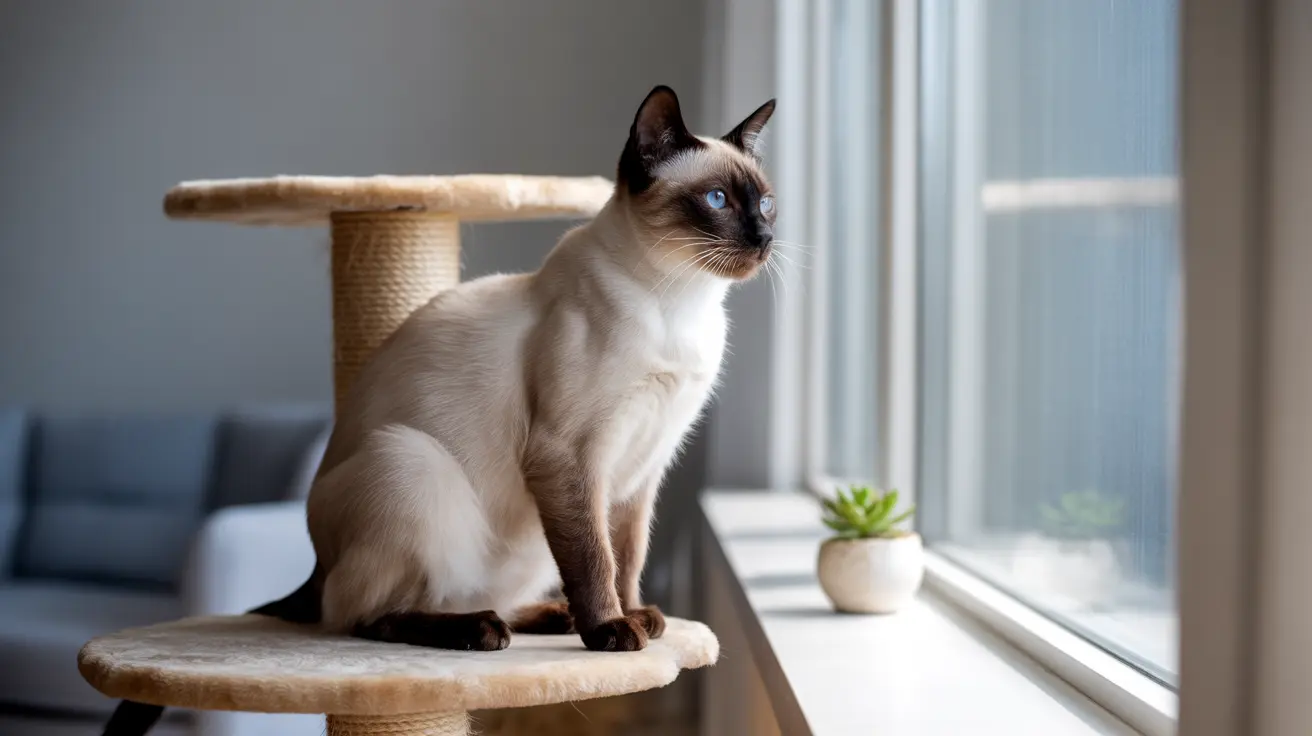
Credit: www.petscare.com
Legal And Ethical Aspects
Buying a cat from a breeder involves important legal and ethical points. These protect both the buyer and the cat. Understanding these aspects helps ensure a fair and safe purchase. It also supports responsible breeding practices that prioritize the cat’s health and well-being.
Contracts And Guarantees
A reputable breeder provides a written contract. This contract outlines the rights and responsibilities of both parties. It usually includes health guarantees for the cat.
- Health checks and vaccinations performed
- Guarantee against genetic diseases
- Spaying or neutering agreements
- Ownership transfer details
Read the contract carefully before signing. It protects your investment and the cat’s future.
Return Policies
Return policies vary between breeders. Many accept returns if the cat has health problems or does not fit your home.
Know the terms before buying. Some breeders require the cat to be returned to them, not rehomed elsewhere.
- Time limits for returns
- Conditions for return (health issues, behavior)
- Refund or replacement options
A clear return policy ensures you have options if problems arise.
Avoiding Puppy Mills
Puppy mills focus on profit over animal welfare. They often keep cats in poor conditions. Avoid breeders who:
- Have many cats in small spaces
- Refuse to show you where the cat lives
- Sell multiple litters at once
- Do not provide health records
Choose breeders who care for their cats and breed responsibly. Responsible breeders prioritize health, socialization, and proper living conditions.
Costs And Financial Planning
Buying a cat from a breeder involves more than just the initial price. Understanding the full costs helps you prepare financially and avoid surprises. Planning your budget carefully supports a happy and healthy life for your new pet.
Price Expectations
Breeder prices vary widely based on breed, pedigree, and location. Some cats cost a few hundred dollars, while rare breeds can reach thousands. High-quality breeders invest in health tests and care, which raises prices. Expect to pay more for cats with championship lines or special traits.
Additional Expenses
Beyond the purchase price, several extra costs arise:
- Vaccinations and vet check-ups
- Spaying or neutering
- Microchipping and registration
- Food, toys, and litter
- Initial supplies like beds and carriers
These expenses add up quickly and are essential for your cat’s well-being.
Budgeting For Long-term Care
Cats live many years, so plan for ongoing costs. Routine vet visits, vaccinations, and dental care are necessary. Emergency medical bills can be costly. Quality food and enrichment items keep your cat happy. Setting aside funds monthly helps handle future expenses smoothly.
Preparing For Your New Cat
Getting ready for your new cat means more than just picking up a few toys. It involves creating a welcoming and secure environment where your cat can feel safe and start building trust with you. This preparation sets the stage for a smooth transition and a happy life together.
Setting Up A Safe Space
Before your cat arrives, choose a quiet room where they can settle without too many distractions. This space should have a door to limit access and help your cat adjust at their own pace.
Include cozy bedding, a hiding spot like a covered box, and a window perch if possible. Cats often need a retreat where they feel in control and secure. Have you thought about how your cat might react to new sounds and smells in your home?
Essential Supplies
Gather all the necessary items before bringing your cat home. This includes:
- A litter box and cat litter
- Food and water dishes
- High-quality cat food recommended by the breeder or vet
- Scratching posts or pads to protect your furniture
- Toys for mental and physical stimulation
- A collar with ID tags and a breakaway feature for safety
Having everything ready prevents last-minute trips and stress for both you and your cat. What supplies do you think your cat will enjoy the most?
Introducing Your Cat To Home
When your new cat arrives, let them explore their safe space first. Avoid overwhelming them by introducing the entire house too soon.
Spend calm and quiet time in the room to help your cat feel comfortable around you. Use gentle voices and slow movements to build trust.
Gradually open up other areas of your home as your cat shows curiosity and confidence. Have you noticed how patience can turn nervousness into curiosity in cats?
Credit: bellspurr.com
Frequently Asked Questions
What Should I Check Before Buying A Cat From A Breeder?
Verify the breeder’s reputation, health guarantees, and registration. Inspect the cat’s living conditions. Ask for vaccination and health records to ensure a healthy pet.
How Do I Find A Responsible Cat Breeder?
Look for breeders with positive reviews and certifications. Join cat breed clubs or forums. Ask for references and visit the breeder’s facility in person.
What Questions Should I Ask A Cat Breeder?
Inquire about the cat’s health history, parents’ temperament, and socialization. Ask about vaccinations, microchipping, and return policies. Confirm the breeder’s experience and breeding practices.
Are Cats From Breeders Healthier Than Shelter Cats?
Breeder cats often have documented health histories and controlled genetics. Shelter cats may have unknown backgrounds but can be equally healthy. Both can make loving pets with proper care.
Conclusion
Buying a cat from a breeder takes time and care. Choose a breeder who cares for their cats’ health. Ask questions about the cat’s background and vaccinations. Visit the breeder’s place to see how cats live. Make sure the kitten is healthy and happy.
A good start helps your new pet thrive. Remember, patience leads to a strong bond with your cat. Enjoy bringing a new friend into your home.



Leave a Reply