Are you wondering when your kitten should start eating adult cat food? It’s a question every cat owner faces at some point.
Feeding your cat the right food at the right time is crucial for their health and happiness. If you switch too early or too late, it could affect their growth and energy levels. You’ll discover exactly when to make the switch and how to do it smoothly.
Keep reading to learn the signs your cat is ready and what to look for in adult cat food to keep your furry friend thriving.
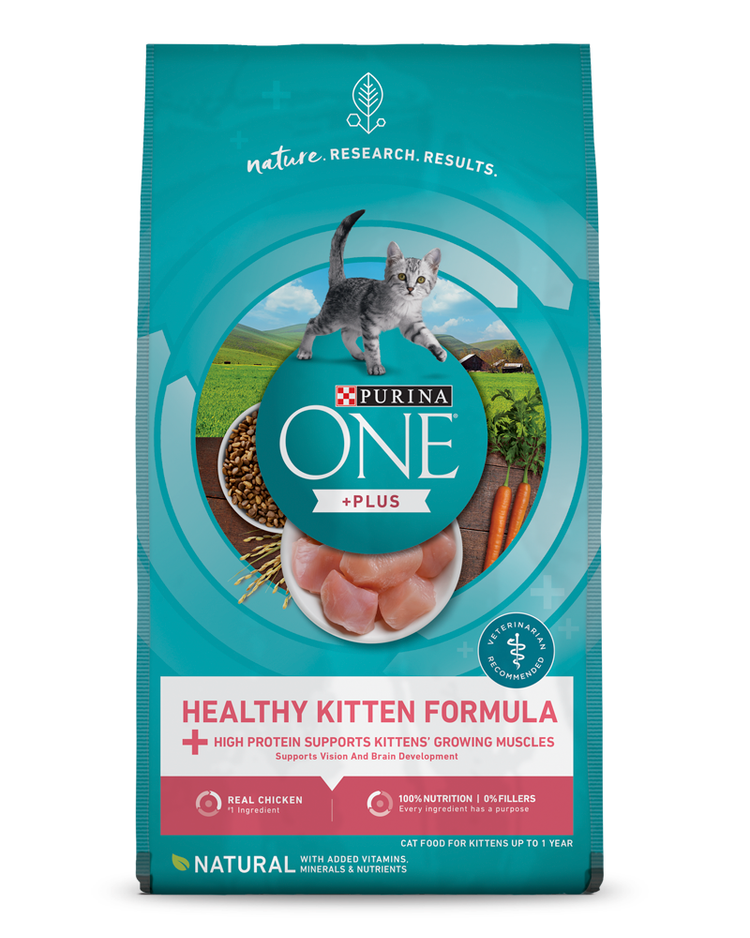
Credit: www.purina.com
Kitten Growth Stages
Understanding your kitten’s growth stages is key to knowing when to switch to adult cat food. Each phase of development brings new nutritional needs. Paying attention to these stages helps you provide the right food at the right time, supporting healthy growth and long-term wellness.
From Newborn To Weaning
Newborn kittens rely entirely on their mother’s milk for nutrition. During these first few weeks, their tiny bodies absorb essential antibodies and nutrients from the milk, which builds their immune system.
You might notice how kittens start to become more active around three weeks old. This is when the weaning process begins, and they slowly start tasting soft, mushy food alongside milk.
Transition To Solid Food
Around four to six weeks, kittens begin eating solid food in small amounts. This transition is gradual — they often mix nursing with nibbling on wet kitten food.
At this stage, texture matters. Soft, easily digestible foods help their still-developing digestive systems adjust. You may find your kitten showing clear preferences, which can guide your food choices.
Rapid Growth Phase
Between two to six months, kittens grow rapidly and need extra calories and nutrients. Their energy levels soar, making protein and fat crucial components of their diet.
Many cat owners notice their kittens’ appetite increasing significantly during this phase. Feeding a high-quality kitten food rich in vitamins and minerals supports muscle development and strong bones.
Have you observed how your kitten’s food needs change as they become more active? Keeping an eye on growth and weight gain helps you decide the best time to start introducing adult cat food, usually around one year old.
Signs Of Readiness For Adult Food
Knowing the signs that your cat is ready for adult food helps ensure a smooth diet change. Cats grow fast and their needs change quickly. Recognizing these signs prevents health issues and supports proper growth. Watch your cat closely to spot the right moment for switching food.
Physical Development
Physical growth shows your cat is maturing. Their baby teeth fall out and adult teeth appear. Muscle tone improves and they gain weight steadily. Body size increases but growth slows down. Their coat becomes shinier and thicker, showing good health.
Behavioral Changes
Behavior shifts as your cat matures. They become more independent and less playful. Appetite changes, often increasing with energy needs. Grooming habits improve, and they may explore more. These behaviors signal readiness for adult nutrition.
Veterinary Recommendations
Veterinarians provide clear guidance on food changes. They check your cat’s weight, teeth, and overall health. Vets suggest the best time to switch to adult food. Regular check-ups ensure your cat stays healthy during this change.
Ideal Age To Switch
Cats usually switch to adult food around one year old. This change supports their growing energy and health needs. Watching your cat’s behavior helps decide the right time to switch.
Switching your cat from kitten food to adult cat food is a significant step in ensuring their continued health and well-being. But when is the right time to make this transition? Understanding the ideal age for this change is crucial to supporting your cat’s development and nutritional needs.Common Age Range
Most cats are ready to switch to adult cat food around their first birthday. At this age, their nutritional needs change as they reach full size and maturity. Transitioning at the right time helps maintain their health and energy levels. Kittens grow rapidly in their first year, requiring a diet rich in calories and nutrients. Once they hit the one-year mark, their growth slows, and they need fewer calories. This is when adult cat food becomes essential.Breed And Size Considerations
Not all cats follow the same timeline. Larger breeds like Maine Coons might need more time on kitten food, sometimes up to 18 months. Their extended growth period requires sustained nutritional support. On the flip side, smaller breeds may reach maturity sooner. Pay close attention to your cat’s growth and body condition, and consult your vet if you’re unsure about the right time to switch.Exceptions To The Rule
Every cat is unique, and some may not fit into the typical age range. Health issues or specific dietary needs might require a different feeding plan. Always keep an eye on your cat’s health and consult a veterinarian for personalized advice. For instance, if your cat is underweight or recovering from illness, they might benefit from the nutrient-rich kitten formula for longer. Are you ready to adapt to their unique needs? By understanding these factors, you can make an informed decision about when to switch your cat to adult food, ensuring they remain healthy and happy.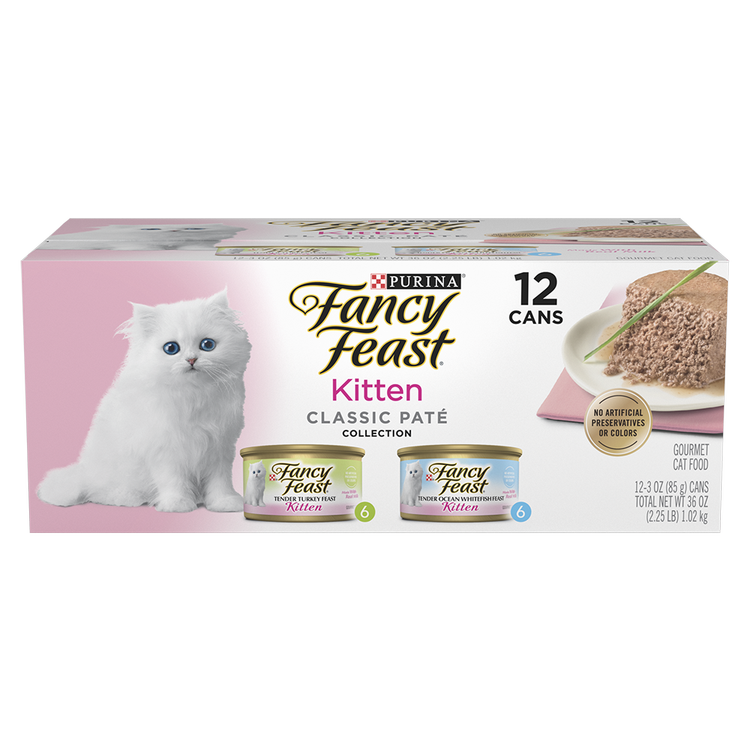
Credit: www.purina.com
Choosing The Right Adult Cat Food
Choosing the right adult cat food is essential for your cat’s health and happiness. As your feline friend transitions from kitten to adult, their nutritional needs change. Picking the right food ensures they get the right balance of nutrients to stay energetic and healthy.
Nutritional Needs
Your adult cat needs a diet rich in protein to maintain muscle mass and support their active lifestyle. Fat content should be moderate to provide energy without causing weight gain. Look for foods with essential vitamins and minerals, especially taurine, which is vital for heart and eye health.
Wondering how much protein is enough? Aim for at least 30% protein on a dry matter basis. It’s a good idea to check the label and compare brands to find the best match for your cat.
Ingredients To Look For
Quality ingredients matter more than fancy packaging. Real meat or fish should be the first ingredient listed. Avoid cat foods that rely heavily on fillers like corn, wheat, or soy, as these add little nutritional value.
Including omega-3 and omega-6 fatty acids supports a shiny coat and healthy skin. Some foods even include probiotics to aid digestion. Have you noticed how your cat reacts to certain ingredients? Pay attention—it can guide your choices.
Special Diets And Sensitivities
Some cats have food sensitivities or medical conditions that require special diets. For example, cats with kidney issues benefit from foods lower in phosphorus and protein. If your cat has allergies, look for limited ingredient diets that avoid common allergens.
Always consult your vet before switching to a special diet. They can recommend formulas tailored to your cat’s unique needs. Have you seen your cat struggle with digestive upset or skin problems? That might be a sign to explore sensitive formulas.
Transitioning Process
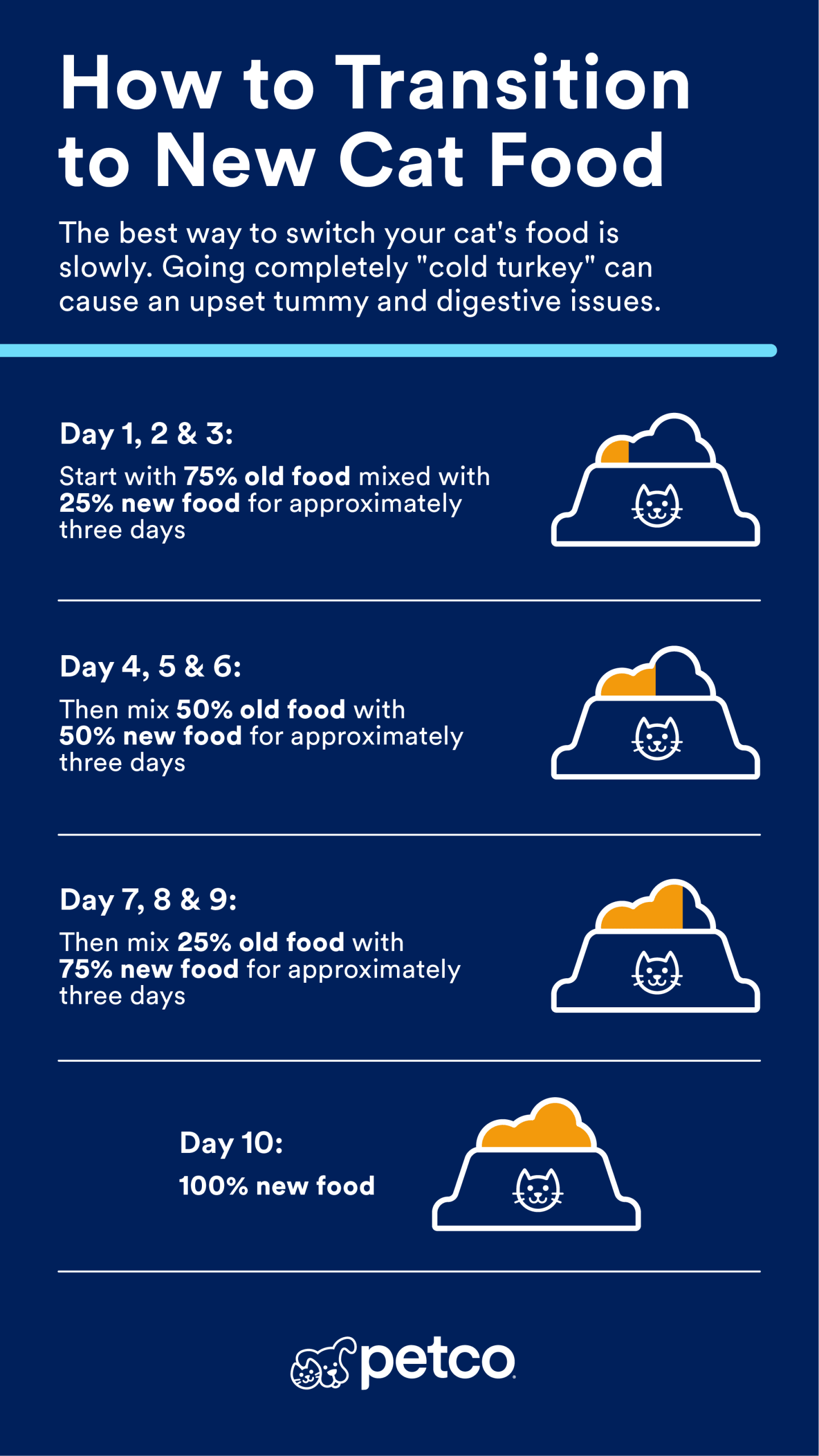
Switching your cat from kitten food to adult cat food requires care. The transition process helps your cat adjust without tummy troubles. It involves slowly mixing new food with the old. Watching your cat’s health and behavior is important. You may also need to change feeding times. This careful approach keeps your cat happy and healthy.
Gradual Food Introduction
Start by mixing a small amount of adult food into kitten food. Increase the adult food portion over 7 to 10 days. This slow change lets your cat get used to new tastes and textures. Avoid sudden switches that can cause upset stomach or refusal to eat. Patience is key during this step.
Monitoring For Reactions
Watch your cat closely for signs of discomfort or allergies. Look for vomiting, diarrhea, or loss of appetite. Also, check for changes in energy or behavior. If any issues appear, slow down the transition or consult a vet. Healthy cats adapt smoothly to new food.
Adjusting Feeding Schedules
Adult cats often eat less frequently than kittens. Gradually reduce the number of meals to match adult feeding routines. Most adult cats do well with two meals per day. Keep portion sizes appropriate to prevent overeating. Consistent meal times support good digestion and routine.
Common Challenges
Switching a cat from kitten food to adult cat food can bring several challenges. Cats may resist new flavors and textures. Their digestion might also react to the change. Recognizing these common issues helps make the transition smoother. Careful observation and patience are key during this period.
Picky Eating
Cats often refuse adult food at first. They enjoy the taste and texture of kitten food. Sudden changes can make them hesitant. Some cats prefer wet food, others dry. Offering small amounts of new food alongside old helps. Mixing both types gradually encourages acceptance. Patience is essential to avoid stress for your cat.
Digestive Issues
New food may cause stomach upset. Diarrhea or constipation can appear. Cats need time to adjust their digestion. Feeding smaller meals several times a day reduces strain. Introduce adult food slowly over 7 to 10 days. Monitor your cat’s litter box habits closely during this time. Proper hydration supports healthy digestion as well.
When To Consult A Vet
Persistent refusal to eat needs vet attention. Severe digestive problems require professional care. Weight loss or lethargy are warning signs. Your vet can suggest alternative diets or supplements. Regular check-ups ensure your cat’s health during the switch. Always ask for advice if unsure about the transition process.
Long-term Feeding Tips
Switching your cat to adult food is just the beginning of a lifelong journey to keep them healthy and happy. How you feed your cat over time plays a huge role in their well-being. Paying attention to weight, hydration, and regular health checks can help you catch issues early and adjust feeding habits as needed.
Maintaining Healthy Weight
Keeping your cat at a healthy weight prevents many common health problems like diabetes and joint pain. Watch their body shape regularly—can you feel their ribs without pressing hard? If your cat starts gaining or losing weight unexpectedly, it’s time to adjust food portions or consult your vet.
Try measuring meals instead of free-feeding. Cats don’t always self-regulate well with unlimited food. You might be surprised how much less food they actually need once they’re adults.
Hydration Importance
Water is vital for your cat’s digestion and kidney function, especially as they age. Cats often don’t drink enough, so encourage water intake by offering fresh water daily and consider wet food as part of their diet.
Have you noticed your cat prefers running water? A pet fountain can make drinking more fun and increase their hydration. Keeping them hydrated helps prevent urinary issues, which are common in adult cats.
Regular Health Checkups
Scheduling regular vet visits can catch subtle changes in your cat’s health before they become serious. Discuss your cat’s diet and weight during these visits to ensure their food still meets their needs.
Think of the vet as your partner in your cat’s long-term health. You might discover the need for supplements or special diets as your cat grows older. Staying proactive can extend your cat’s quality of life significantly.

Credit: www.tippaws.com
Frequently Asked Questions
When Should Kittens Switch To Adult Cat Food?
Kittens should switch to adult cat food around 12 months of age. This transition supports their changing nutritional needs as they mature. Consult your vet for personalized guidance based on your cat’s growth and health.
What Are The Signs My Cat Needs Adult Food?
Signs include slowed growth, reduced energy, and less playful behavior. Adult cat food suits their maintenance needs better than kitten food. Monitor your cat’s weight and appetite to ensure proper nutrition.
Can I Switch To Adult Food Earlier Than 12 Months?
Switching earlier isn’t recommended unless advised by a vet. Kittens require higher protein and calories for growth. Premature change may cause nutritional deficiencies affecting their development.
How To Transition Cats To Adult Food Smoothly?
Mix increasing amounts of adult food with kitten food over 7-10 days. Gradual transition prevents digestive upset and helps your cat adjust to new flavors and textures. Always provide fresh water during the switch.
Conclusion
Cats usually switch to adult food around one year old. This change helps meet their new health needs. Keep an eye on your cat’s growth and energy. Gradually mix adult food with kitten food for smooth change. Always choose good quality food for their well-being.
A healthy diet supports a long and happy life. Remember, each cat is different; watch what works best. Feeding the right food at the right time matters a lot. Your cat will thank you with purrs and playfulness.

Leave a Reply