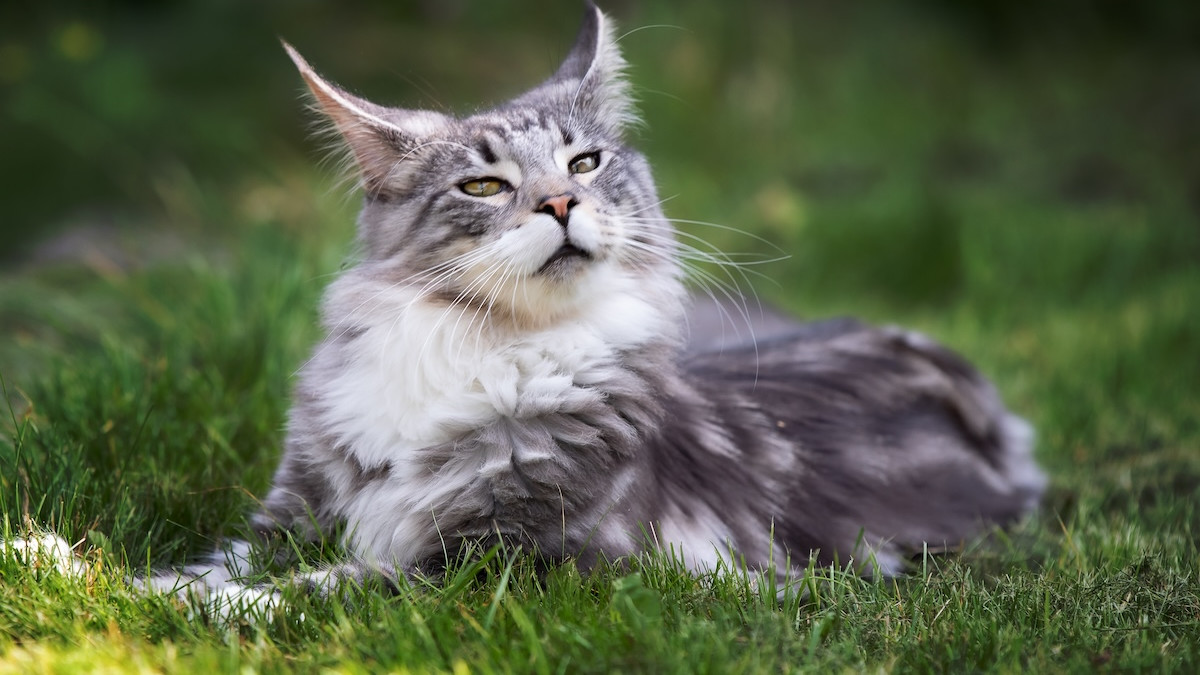
Have you ever noticed a cat with ears that look extra fluffy or even a bit wild? Those furry little tufts aren’t just cute—they can tell you a lot about your cat’s breed and personality.
If you’re curious about what cat breeds have hairy ears and why this unique feature matters, you’re in the right place. By the end of this article, you’ll know exactly which cats sport these distinctive ears and what makes them so special.
Ready to discover the furry secrets behind those charming, hairy ears? Let’s dive in!
Credit: timesofindia.indiatimes.com
Hairy Ears In Cats
Cats with hairy ears often catch your attention with their unique and charming appearance. This feature isn’t just about looks; it serves practical purposes too. Understanding why some cats have hairy ears and how these hairs benefit them can deepen your appreciation for these fascinating felines.
Why Some Cats Have Hairy Ears
Hairy ears in cats are mostly a genetic trait. Certain breeds, like the Maine Coon and the Norwegian Forest Cat, naturally grow tufts of hair on the tips of their ears. These ear hairs develop as a response to colder climates, helping protect sensitive ear skin.
You might wonder if these hairs serve any other purpose beyond warmth. The answer is yes—they also help keep dirt and insects away from the ear canal. This small defense mechanism reduces irritation and potential infections, which is especially useful for outdoor cats.
Benefits Of Ear Hair In Cats
Ear hair acts as a natural barrier. It prevents dust, debris, and tiny bugs from entering the ear, which can be uncomfortable or even harmful. This is particularly important if your cat likes to explore grassy or wooded areas.
Another benefit is sensory enhancement. The hairs around the ears can help cats detect subtle changes in their environment, like shifts in air movement. This heightened awareness can improve their hunting skills and overall alertness.
Have you noticed your cat’s ear tufts twitch when they focus on sounds? This reaction shows how sensitive and functional these hairs are. When you next admire your cat’s furry ears, remember they’re not just decorative—they’re a smart adaptation for survival and comfort.

Credit: www.oakleighcentralvet.com.au
Top Cat Breeds With Fluffy Ears
Fluffy ears give cats a charming and unique look. These soft tufts of hair on the ears help protect them from cold weather. Many cat breeds have this feature, adding to their beauty and personality. Below are some top cat breeds known for their fluffy ears.
Maine Coon
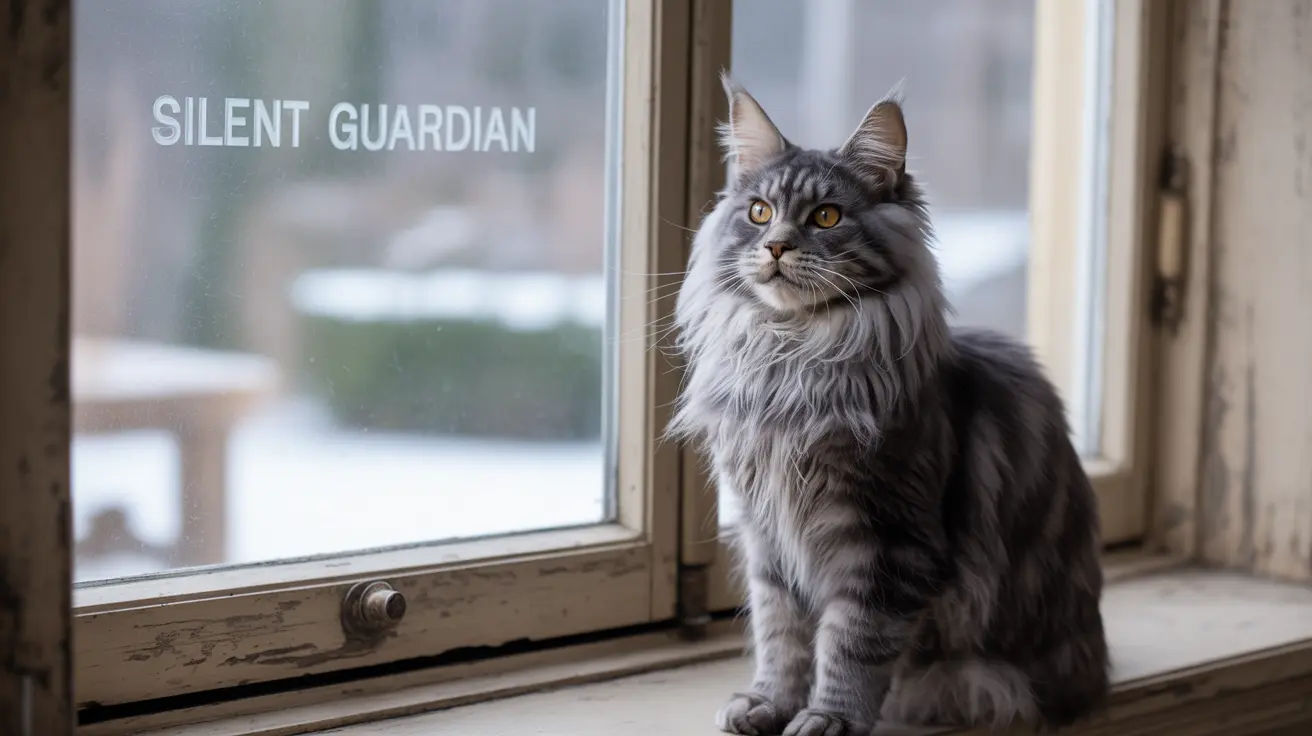
The Maine Coon is a large, friendly cat with long, thick fur. Their ears have long tufts of hair, called lynx tips. These fluffy ear tufts help keep the ears warm. Maine Coons are known for their rugged look and gentle nature.
Norwegian Forest Cat
This breed has a dense, water-resistant coat and big, fluffy ears. The ear tufts protect them in cold climates. Norwegian Forest Cats are strong and agile, perfect for outdoor life. Their fluffy ears add to their wild, natural charm.
Siberian Cat
Siberian cats have thick fur and prominent ear tufts. These fluffy ears help them survive harsh Russian winters. The breed is playful and affectionate. Their soft ear hair gives them a sweet, cuddly appearance.
Turkish Van
Turkish Vans are known for their semi-long fur and fluffy ears. Their ear hair helps block cold wind and dust. These cats are active swimmers and love water. Their unique ear fluff adds to their striking look.
Scottish Fold
Scottish Folds have folded ears with soft hair inside. Some have fluffy ear tufts, especially in long-haired types. The fluff makes their folded ears look even cuter. This breed is calm and friendly, perfect for families.
Characteristics Of Fluffy-eared Cats
Fluffy-eared cats captivate with their adorable and unique features. These charming cats boast ears surrounded by soft, long fur. This feature adds an extra layer of cuteness to their appearance. Understanding these characteristics can help identify breeds with this trait.
Ear Shape And Size
Cats with hairy ears often have medium to large ear sizes. Their ears are usually triangular in shape. This shape complements their fluffy fur, enhancing their overall look. Some breeds might have wider ear bases, adding to their distinctive charm.
Fur Texture Around Ears
The fur around these cats’ ears is typically long and silky. This fur can create a soft halo effect. It may also appear tufted, giving an extra fluffy look. Some breeds have denser fur, making the ears look fuller.
Impact On Cat’s Appearance
Hairy ears give cats a more whimsical and endearing appearance. They often look more playful and approachable. The fur can make their face look rounder and softer. These features make them popular among cat lovers.
Credit: www.petscare.com
Caring For Cats With Hairy Ears
Caring for cats with hairy ears requires special attention to keep them healthy and comfortable. Hairy ears can trap dirt and moisture, which may lead to discomfort or infections. Regular care helps maintain clean ears and prevents common problems. Grooming and hygiene practices tailored to hairy ears keep cats happy and safe.
Ear Cleaning Tips
- Use a soft cloth or cotton ball to wipe the ear gently.
- Choose a cat-safe ear cleaner recommended by a vet.
- Avoid inserting anything deep into the ear canal.
- Clean ears once a week to prevent buildup.
- Watch for signs of redness or bad odor during cleaning.
Preventing Ear Infections
- Keep ears dry after baths or outdoor play.
- Trim excess hair around the ear canal to improve airflow.
- Check ears regularly for swelling or discharge.
- Visit the vet if you notice scratching or head shaking.
- Maintain a balanced diet to support the immune system.
Grooming Techniques
- Brush ear hair gently to remove loose strands.
- Use blunt scissors carefully to trim ear hair if needed.
- Handle your cat calmly to reduce stress during grooming.
- Incorporate ear care into the regular grooming routine.
- Reward your cat with treats to build positive habits.
Hairy Ears And Cat Health
Hairy ears are a unique feature in some cat breeds. These tufts of fur not only add charm but also affect ear health. Hairy ears can trap dirt, wax, and moisture more easily. This creates an environment where infections may develop. Regular care and attention help prevent common ear problems. Understanding ear health in fluffy-eared cats is essential for their well-being.
Common Ear Issues In Fluffy-eared Cats
Fluffy ears can hide several ear problems. Hairy ears might cause:
- Wax buildup that blocks the ear canal
- Ear mites that cause itching and irritation
- Infections due to trapped moisture
- Skin allergies causing redness and swelling
- Difficulty in detecting early signs of problems
These issues may lead to discomfort or hearing loss if untreated. Keeping ears clean and dry reduces risks. Regular checks help spot problems early.
When To See A Vet
Visit a vet if your cat shows signs of ear trouble. Watch for:
- Scratching or rubbing the ears often
- Unpleasant smell or discharge from the ear
- Redness, swelling, or scabs on the ear
- Head shaking or tilting
- Loss of balance or hearing
Early vet visits prevent serious issues. A vet can clean ears safely and treat infections. Do not ignore any signs of discomfort.
Frequently Asked Questions
What Cat Breeds Are Known For Hairy Ears?
Breeds like the Maine Coon, Norwegian Forest Cat, and Siberian are famous for their hairy ears. These breeds have tufts of fur on their ear tips, which help protect them from cold weather and enhance their hearing.
Why Do Some Cats Have Hair On Their Ears?
Hair on cat ears serves as insulation and protection. It helps keep cold out and debris away. This feature is common in breeds from colder climates, aiding in their survival and sensory abilities.
How Does Ear Hair Benefit Cats In Cold Climates?
Ear hair insulates cats against cold temperatures. It traps warmth and shields their ears from snow and ice. This adaptation is vital for breeds like the Maine Coon, native to harsh, cold environments.
Are Hairy Ears A Sign Of A Specific Cat Breed?
Yes, hairy ears often indicate certain breeds like Maine Coons and Norwegian Forest Cats. This trait is a breed characteristic linked to their genetics and natural habitat, making it a useful identification feature.
Conclusion
Cats with hairy ears stand out with their unique look. Breeds like the Scottish Fold and Maine Coon often have this feature. These fluffy ear tufts add charm and personality. They also help protect the ears from cold and dirt.
Knowing about these breeds helps you appreciate their special traits. Hairy ears are not just cute, but useful too. Each breed has its own style and care needs. Cats with hairy ears make great pets for those who love distinctive animals.
Their soft tufts make them even more lovable and interesting.


Leave a Reply