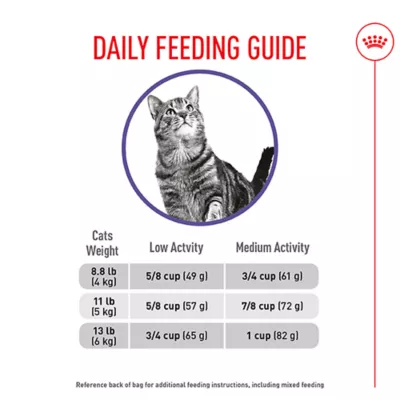
Are you unsure about how much food your adult cat really needs? Feeding your cat the right amount is key to keeping them healthy and happy.
Too much can lead to weight gain and health problems, while too little might leave them hungry and weak. You’ll discover simple tips and clear guidelines to help you find the perfect feeding balance for your furry friend. Keep reading to make sure your cat gets just the right portion every time.
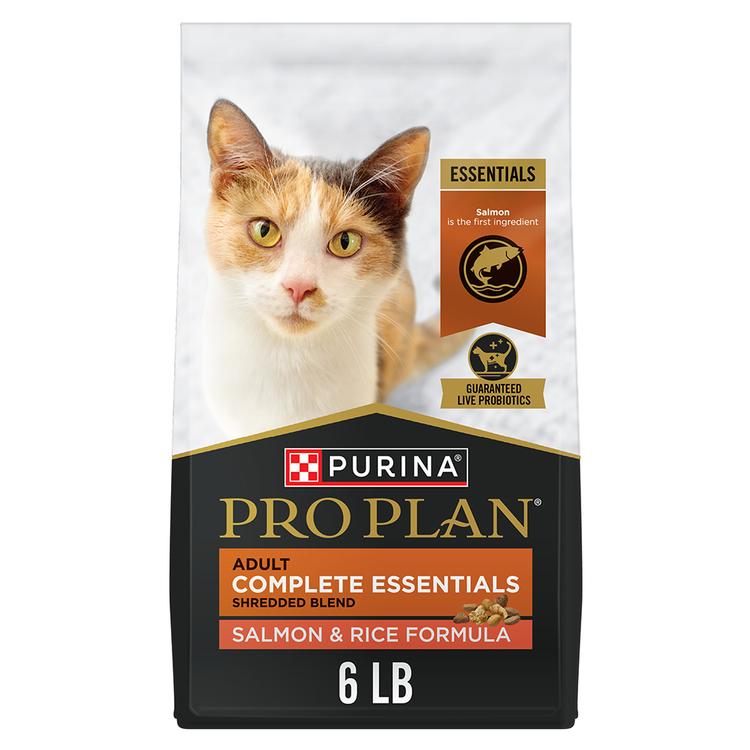
Credit: www.purina.com
Daily Calorie Needs
Understanding the daily calorie needs of an adult cat is essential for proper feeding. Calories fuel your cat’s body and support vital functions like movement and digestion. Feeding the right amount helps maintain a healthy weight and prevents health problems. Each cat’s calorie needs can differ significantly.
Factors Affecting Calorie Requirements
Several factors influence how many calories your cat needs every day.
- Age:Younger cats burn more energy than older cats.
- Weight:Overweight cats need fewer calories; underweight cats need more.
- Activity Level:Active cats require more calories than indoor, less active ones.
- Health Status:Illness or medical conditions can change calorie needs.
- Spaying or Neutering:These procedures often reduce calorie requirements.
Calculating Your Cat’s Energy Needs
Estimating your cat’s daily calories starts with their weight.
A simple formula for Resting Energy Requirement (RER) is:
| Formula | Description |
|---|---|
| RER = 70 × (Body Weight in kg)0.75 | Basic energy needed at rest |
Multiply RER by a factor based on activity and life stage:
- 1.2 to 1.4 for indoor, inactive cats
- 1.4 to 1.6 for normal active cats
- Up to 2.0 or more for very active or pregnant cats
This gives the Maintenance Energy Requirement (MER), the calories needed daily.
Track your cat’s weight and adjust food portions accordingly. This keeps calorie intake balanced with energy use.
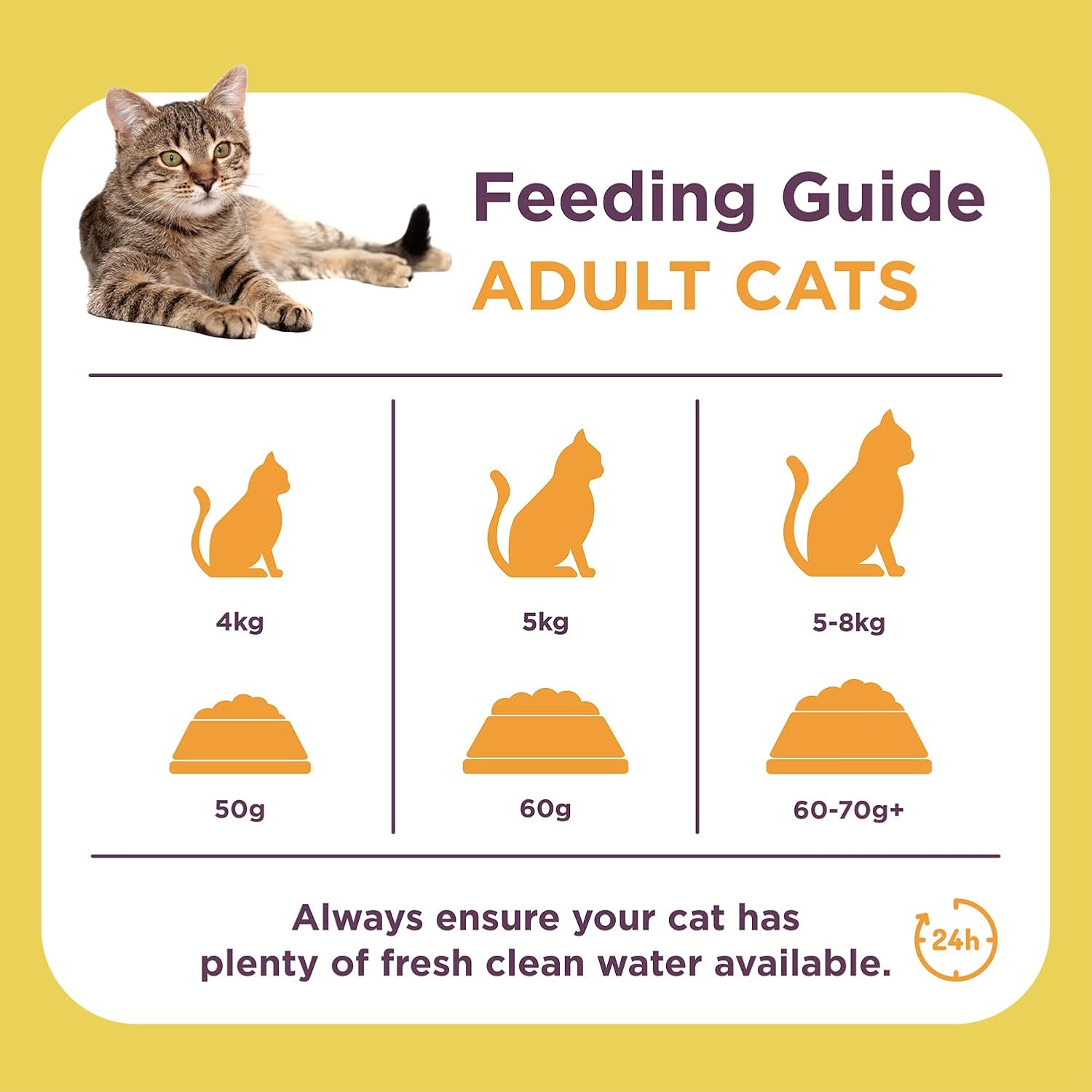
Credit: pet-supermarket.co.uk
Portion Sizes By Cat Weight
Understanding the right portion size for your cat depends largely on their weight. Feeding too much can lead to obesity, while too little can affect their health negatively. Tailoring food portions by your cat’s size ensures they get the right amount of nutrients without overfeeding.
Feeding Guidelines For Small Cats
Small cats typically weigh under 8 pounds. They need around 150 to 200 calories daily, depending on their activity level.
- Offer about 1/3 to 1/2 cup of dry food or 3 to 4 ounces of wet food per day.
- Split the feeding into two or three small meals for better digestion.
- If your small cat is highly active, slightly increase the portion but monitor weight.
Have you noticed how small cats tend to be picky eaters? Adjusting portion size to their preference helps prevent food waste and keeps them interested.
Feeding Guidelines For Medium Cats
Medium cats usually weigh between 8 and 12 pounds. They require about 200 to 280 calories each day.
| Weight (lbs) | Dry Food (cups/day) | Wet Food (ounces/day) |
|---|---|---|
| 8 – 10 | 1/2 – 2/3 | 4 – 5 |
| 10 – 12 | 2/3 – 3/4 | 5 – 6 |
Breaking meals into two portions a day works well for medium cats. Consistency is key—stick to the feeding schedule to avoid overeating.
Feeding Guidelines For Large Cats
Large cats weigh more than 12 pounds and need around 280 to 350 calories daily.
- Feed approximately 3/4 to 1 cup of dry food or 6 to 8 ounces of wet food daily.
- Divide the food into two or three meals to maintain energy levels throughout the day.
- Monitor their weight regularly—adjust portions if you see any gain or loss.
Have you ever wondered if bigger cats really need more food or just more frequent meals? Paying attention to their weight and activity helps you find the right balance.
Types Of Cat Food
Choosing the right amount of food keeps your adult cat healthy and active. Different types of cat food, like dry or wet, affect how much to feed. Pay attention to your cat’s weight, age, and activity for the best portion size.
Cats have different food needs based on their age, weight, and health. Choosing the right type of cat food is key. This ensures they get the right nutrients. There are three main types: dry, wet, and a mix of both. Each has its own benefits and serving suggestions.Dry Food Portions
Dry food is convenient and lasts longer. Measure portions to avoid overfeeding. The average adult cat needs around 24 to 35 calories per pound. Check the food label for specific calorie counts. A cup of dry food can contain 300 to 500 calories. Adjust the portion based on your cat’s activity level. Less active cats need fewer calories.Wet Food Portions
Wet food contains more moisture. This helps with hydration. It usually comes in cans or pouches. A typical 3-ounce can has about 70 to 100 calories. Adult cats need two to four cans a day. Split servings into two meals to avoid overeating. Check with your vet for personalized advice.Mixing Dry And Wet Food
Mixing dry and wet food can offer balanced nutrition. It combines the benefits of both types. Serve half the usual portion of each. For example, half a cup of dry and one can of wet. Adjust according to your cat’s needs. Always provide fresh water alongside. This ensures they stay hydrated and healthy.Feeding Frequency And Schedule
Feeding frequency and schedule play a key role in a cat’s health. Cats have different needs based on age, activity, and health. Setting a regular feeding time helps maintain their weight and digestion. It also builds a strong bond between you and your cat. Understanding how often to feed your cat and choosing a consistent schedule benefits both pet and owner.
Meal Frequency Options
Adult cats usually eat two to four meals a day. Some owners prefer free feeding, leaving food out all day. This can cause overeating and weight gain. Scheduled meals control portions better. Common meal plans include:
- Two meals daily: morning and evening
- Three or four smaller meals spread throughout the day
- Free feeding with measured daily portions
Choose a plan that fits your cat’s lifestyle and your routine. Monitor your cat’s appetite and adjust meal times if needed.
Benefits Of Scheduled Feeding
Regular feeding times create a routine your cat expects. This reduces stress and fussiness around food. Scheduled feeding helps control calorie intake and prevents obesity. It also aids in spotting health issues early, like loss of appetite. With set meals, you can monitor how much your cat eats daily. This schedule improves digestion and reduces begging or food aggression. Your cat feels more secure and cared for with a steady routine.
Special Considerations
Feeding an adult cat requires special care beyond standard portion sizes. Cats have different needs based on age, health, and activity level. Adjusting food amounts ensures they stay healthy and happy. Paying attention to these factors helps avoid overfeeding or underfeeding your feline friend.
Adjusting Portions For Senior Cats
Older cats need fewer calories due to lower activity. Their metabolism slows down with age. Feeding smaller portions helps prevent weight gain. Senior cats may also require more protein to maintain muscle. Consult your vet for specific diet plans. Keep an eye on their weight and energy levels.
Feeding Cats With Health Issues
Health problems impact a cat’s dietary needs. Conditions like kidney disease or diabetes require special diets. Your vet might suggest prescription food or supplements. Monitor your cat’s response to new meals closely. Avoid sudden food changes to prevent stomach upset. Tailor portions carefully to support recovery and wellness.
Weight Management Tips
- Measure food precisely to avoid overfeeding.
- Feed multiple small meals instead of one large portion.
- Choose high-quality food rich in protein and low in carbs.
- Limit treats and table scraps.
- Encourage play and exercise daily.
- Track your cat’s weight regularly.
Proper portion control and balanced nutrition keep cats fit. Adjust food intake based on activity and body condition. Healthy weight supports longer life and better quality.
Monitoring And Adjusting Food Intake
Keeping a close eye on your cat’s food intake is key to maintaining their health. Cats don’t always regulate their eating perfectly, so it’s up to you to notice when changes are needed. Adjusting their diet based on clear signs can prevent issues before they develop.
Signs Of Overfeeding
Overfeeding can lead to rapid weight gain, which puts your cat at risk for diabetes and joint problems. Look out for:
- A rounder belly or noticeable fat deposits around the ribs and hips
- Reduced activity or reluctance to play
- Frequent begging or snacking beyond regular meals
If your cat seems sluggish or gains weight quickly, it’s a strong signal to cut back on portions or switch to a lower-calorie food.
Signs Of Underfeeding
Underfeeding isn’t always as obvious but can be just as harmful. Watch for:
- Visible ribs, spine, or hip bones
- Decreased energy or increased irritability
- Loss of muscle mass or dull fur
If your cat appears thinner or less active than usual, try increasing their food slightly and observe any changes. You want to avoid nutrient deficiencies that weaken their immune system.
Tracking Weight And Body Condition
Regularly weighing your cat is one of the best ways to monitor their health. Use a small scale or visit the vet for accurate measurements.
Alongside weight, assess their body condition by feeling their ribs and spine. You should be able to feel bones easily without them being too prominent.
Keeping a simple journal or spreadsheet with weight, feeding amounts, and behavior notes helps spot trends. Have you noticed patterns when you adjust meal sizes? This can guide smarter feeding decisions.
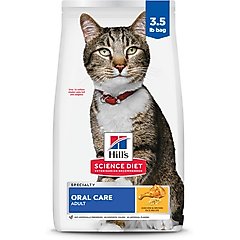
Credit: www.chewy.com
Frequently Asked Questions
How Much Food Should An Adult Cat Eat Daily?
An adult cat typically needs about 20 calories per pound daily. This equals roughly 1/3 to 1/2 cup of dry food or 5. 5 ounces of wet food. Adjust portions based on activity and health for best results.
Does Cat Weight Affect Food Quantity?
Yes, a cat’s weight directly influences its food needs. Heavier cats require more calories, while lighter cats need less. Always tailor feeding amounts to maintain a healthy weight and prevent obesity or malnutrition.
How Often Should I Feed My Adult Cat?
Most adult cats do well with two meals daily. Feeding twice helps regulate metabolism and prevents overeating. Some cats prefer free feeding with measured portions; choose what suits your cat’s lifestyle best.
Can Activity Level Change My Cat’s Food Needs?
Active cats burn more calories and need increased food portions. Sedentary cats require less food to avoid weight gain. Monitor your cat’s activity and adjust feeding accordingly to keep them healthy.
Conclusion
Feeding your adult cat the right amount keeps them healthy and happy. Watch their weight and energy to adjust food portions. Cats need balanced meals to stay strong and active. Avoid overfeeding to prevent health problems. Regularly check their body condition and talk to your vet.
Small changes in food can make a big difference. Remember, every cat is unique. Careful feeding shows you love your pet. Simple steps help your cat live a long, healthy life.


Leave a Reply