Have you ever wondered what happens to breeder cats when their time in the spotlight ends? You might picture a happy, peaceful life, but the reality can be very different.
Understanding what retired breeder cats face can change how you think about pet breeding and animal welfare. You’ll discover the truth behind their retirement, why it matters to you, and what you can do to make a difference. Keep reading to learn the surprising facts that every cat lover should know.

Credit: www.savannahgans.com
Life As A Breeder Cat
Life as a breeder cat involves a structured and controlled lifestyle. These cats live mostly indoors and follow a strict routine. Their environment, health, and breed type play major roles in their daily life. Understanding these factors helps reveal what breeder cats experience before retirement.
Daily Routine And Environment
Breeder cats have a set daily schedule. They spend time in clean, safe spaces designed for breeding. Their living areas are usually quiet and free from stress. Feeding times are regular, with balanced meals provided. Social interaction may be limited to ensure calmness. Rest periods are frequent to maintain energy levels for breeding cycles.
Health And Care Standards
Health is a top priority for breeder cats. Regular veterinary check-ups keep them in good shape. Vaccinations and parasite control are strictly followed. Nutrition plans support their breeding needs and overall wellness. Grooming is gentle and routine to avoid stress. Any health issues get immediate attention to prevent complications.
Common Breeds Used For Breeding
Some cat breeds are more common in breeding programs. Popular choices include:
- Siamese – known for their striking looks and vocal nature.
- Persian – valued for their long coats and calm temperament.
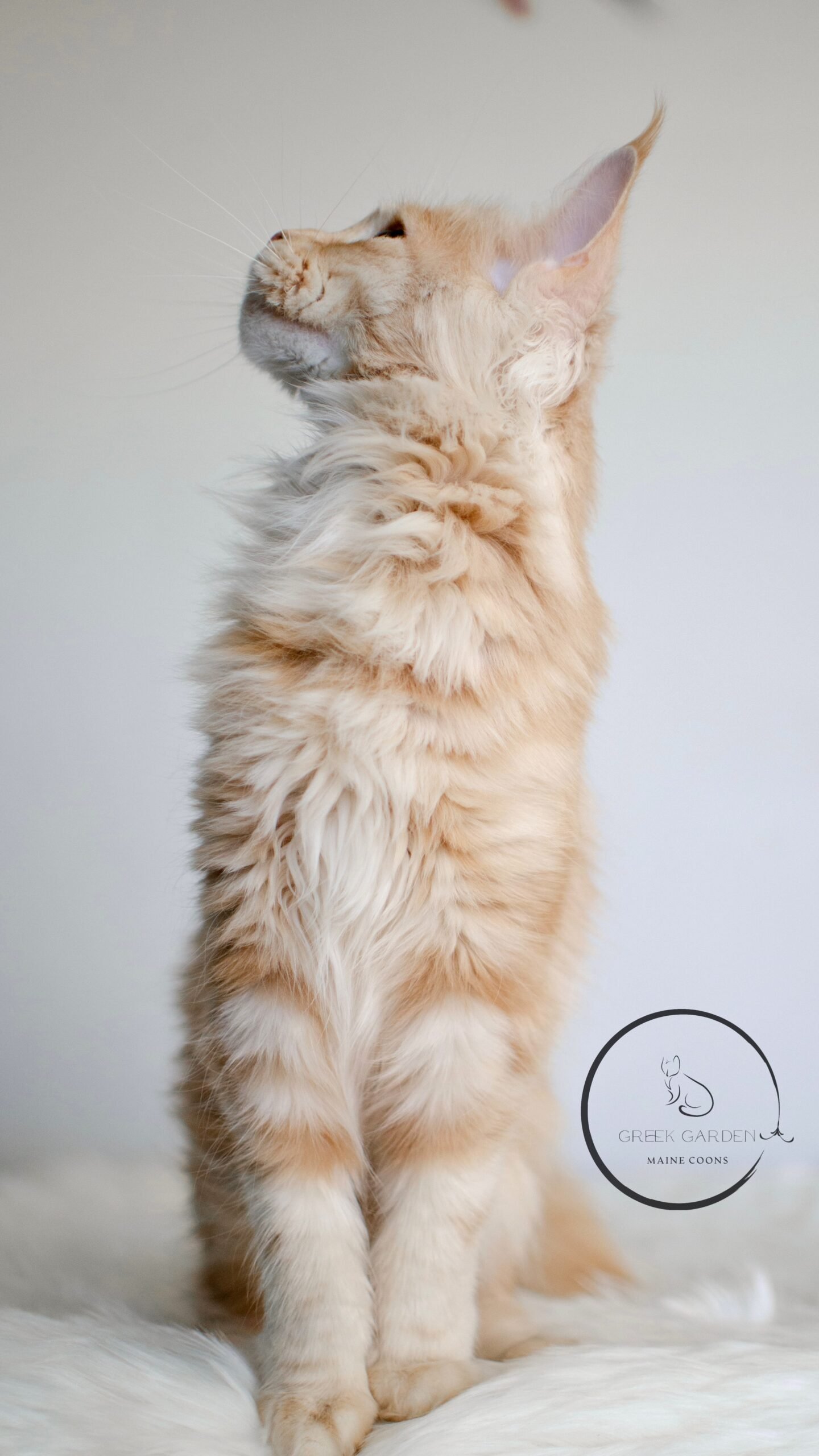
- Maine Coon – large size and friendly personality make them favored.
- Bengal – admired for their exotic spotted fur.
- Ragdoll – gentle and affectionate, ideal for families.
These breeds have traits that breeders aim to preserve or enhance. Each breed has specific needs and care routines.
Credit: www.belleayr.com
Signs Of Retirement
Recognizing the signs of retirement in breeder cats is important for their well-being. These signs help owners understand when it is time to stop breeding and provide proper care for the cat’s later years. Retirement allows cats to rest and enjoy a healthier life without the stress of constant breeding.
Age And Health Factors
Age is a key sign that a breeder cat is ready to retire. Most cats slow down after seven or eight years. Health problems like arthritis or dental issues also signal retirement. Regular vet checkups can reveal these changes early. A cat with weak health should not continue breeding.
Decline In Fertility
Fertility naturally decreases as cats get older. Fewer or smaller litters show this decline. The cat may have trouble getting pregnant or carrying kittens to full term. This drop in fertility often means breeding is no longer effective or safe. It is a clear sign to retire the cat from breeding duties.
Behavioral Changes
Breeder cats may show new behaviors as they retire. They might become less active and more withdrawn. Some cats seek more attention and prefer quiet environments. Changes in appetite or grooming habits can also occur. These behavioral shifts indicate the cat needs a peaceful, stress-free life.
After Breeding Life
Breeder cats often enjoy a calm and loving retirement after their breeding days end. They may live as pets, receiving care and attention from their owners. Some find new homes where they enjoy a peaceful, stress-free life.
After their breeding days are over, many people wonder what happens to breeder cats. These cats, once integral to breeding programs, enter a new phase of life. Retirement for them can bring about significant changes, both in their living conditions and social interactions.Living Conditions Post-retirement
Retired breeder cats often transition from a busy environment to a more relaxed home setting. They might move from catteries to family homes, where they experience more personal attention and care. In my experience, a breeder cat I adopted seemed to savor the quiet after years of sharing space with other cats. It’s crucial for you to create a peaceful environment for them to adjust smoothly.Adoption And Rehoming Options
Many retired breeder cats are put up for adoption. Breeders usually have networks to find suitable homes, ensuring cats are matched with loving families. If you’re considering adopting a retired breeder cat, you might find that they are already well-socialized. This can be an excellent opportunity for you to bring home a cat that is used to human interaction.Challenges Faced By Retired Breeder Cats
While retirement can be a welcome change, it comes with its set of challenges. Cats may face stress due to the transition from a breeding environment to a quieter home. Health issues may also arise due to age or previous breeding demands. Have you considered how you would handle unexpected veterinary care? Adapting to a new routine can be tough, but with patience and love, these cats can thrive in their new environments. How would you help a retired breeder cat adjust to their new life?Welfare And Ethical Concerns
Retired breeder cats face many welfare and ethical challenges. Their well-being often depends on the breeder’s care and the laws protecting them. These cats may suffer neglect or abandonment. Understanding these concerns helps promote better treatment and awareness.
Common Mistreatment Issues
- Neglect of medical care after retirement
- Poor living conditions and lack of space
- Abandonment or being sold to unknown owners
- Lack of socialization and emotional support
- Overbreeding leading to health problems
Legal Protections For Breeder Cats
Some regions have laws to protect breeder cats. These laws may require:
- Regular veterinary check-ups
- Proper housing standards
- Limits on the number of litters per cat
- Protection against abandonment
Enforcement varies widely. Many cats still fall outside legal protection.
Role Of Animal Rescue Organizations
Animal rescues often help retired breeder cats. They provide:
- Medical treatment and rehabilitation
- Safe, loving foster homes
- Adoption services to find permanent families
- Education on responsible breeding practices
These groups play a key role in improving retired cats’ lives.
Improving Retired Cats’ Lives
Retired breeder cats deserve a happy and healthy life after their breeding days end. Improving their lives means focusing on comfort, health, and love. These cats often need special care to adjust to a quieter lifestyle. A good retirement plan helps them feel safe and valued.
Best Practices For Breeders
Good breeders plan for their cats’ retirement early. They provide proper medical care throughout the cat’s life. Vaccinations, regular check-ups, and dental care are essential. When retirement comes, they reduce breeding stress by giving cats a calm environment. Socializing retired cats helps them adapt to new homes or family settings. Feeding a balanced diet supports their changing health needs. Providing toys and cozy resting spots keeps retired cats mentally active and comfortable.
Support Systems For Retired Cats
Retired cats benefit from strong support systems. Rescue groups and shelters sometimes specialize in retired breeders. These organizations offer medical care and behavioral support. Foster homes can provide a gentle transition from breeding life. Volunteers help by spending time socializing and exercising cats. Some breeders create networks for sharing advice and resources. Emotional support and companionship improve retired cats’ well-being significantly.
How To Help Retired Breeder Cats
- Offer a quiet, safe space for rest and recovery.
- Maintain regular veterinary visits to monitor health.
- Provide nutritious meals tailored to older cats.
- Spend time playing to keep them active and happy.
- Be patient and gentle as they adjust to new routines.
- Encourage gentle social interaction to rebuild trust.
- Consider adoption or foster care for permanent homes.
Credit: greekgardenmainecoons.com
Frequently Asked Questions
What Happens To Breeder Cats After Retirement?
Retired breeder cats usually live as pets or are rehomed. They receive proper care and medical attention to ensure a healthy, stress-free life.
How Long Do Breeder Cats Typically Work?
Breeder cats usually work for 3 to 5 years, depending on health and breeding goals. After that, they are retired to prevent health issues.
Are Retired Breeder Cats Adoptable?
Yes, retired breeder cats are often adoptable. Many breeders and rescues find loving homes for them post-retirement, ensuring a comfortable and peaceful life.
Do Retired Breeder Cats Require Special Care?
Retired breeder cats need regular vet check-ups and a balanced diet. They may also require extra attention to adjust from breeding to a relaxed lifestyle.
Conclusion
Retired breeder cats often enjoy a calm and loving life. Many find homes where they receive gentle care and rest. Some stay with their breeders, living quietly without the stress of breeding. Their health and happiness improve after retirement. Giving these cats a peaceful life matters a lot.
They deserve comfort and kindness after years of work. Caring for retired cats shows respect for their hard work. Every retired breeder cat can have a happy, relaxed future. A gentle ending is the best reward for them.

Leave a Reply