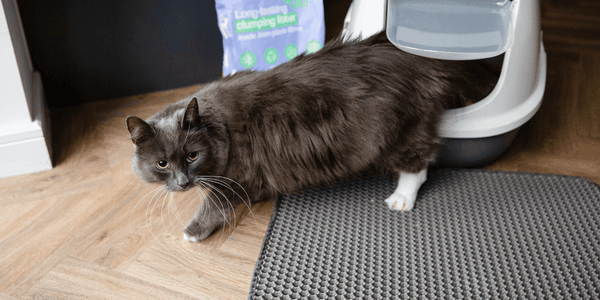
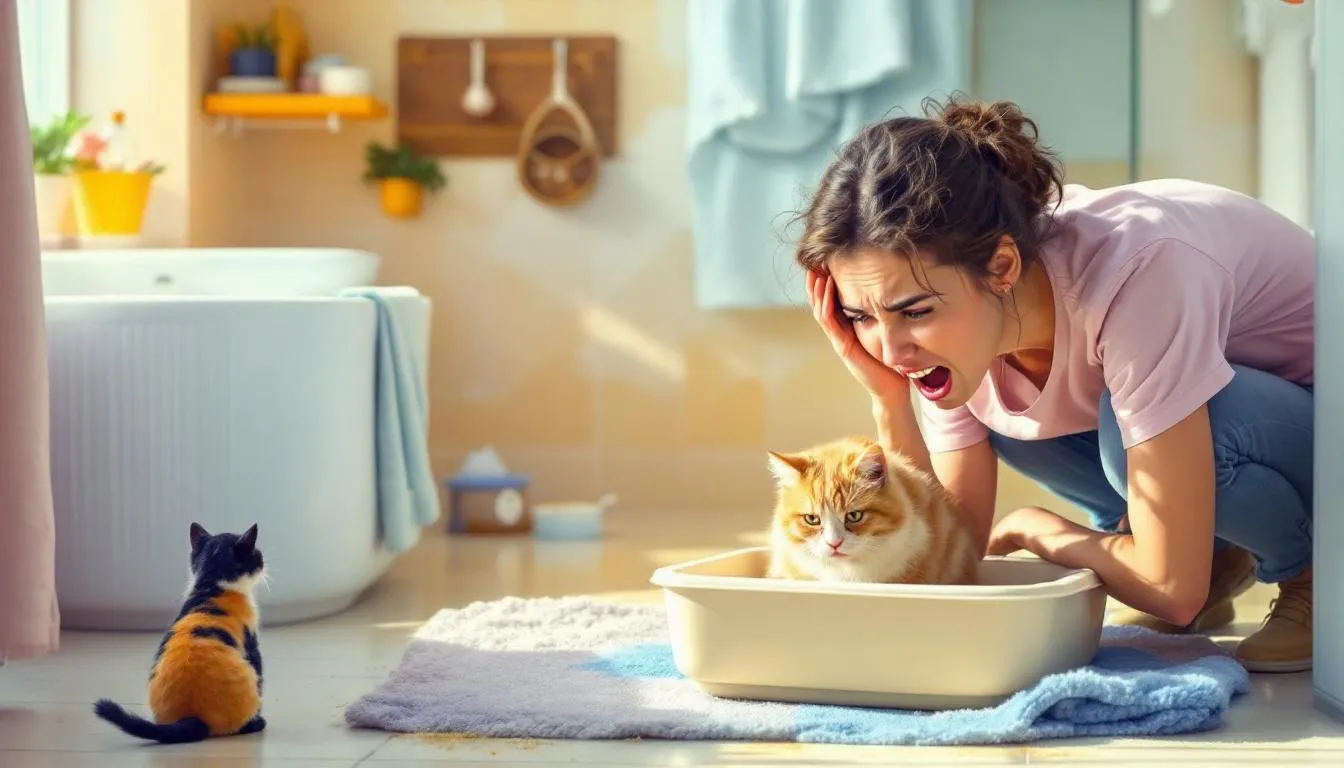
Have you noticed your once-perfect potty-trained cat suddenly peeing on the floor? It’s frustrating and confusing, right?
You’ve done everything right—clean litter box, proper training—but now your cat is ignoring it. Why is this happening? Understanding the reasons behind this behavior can help you fix the problem quickly and keep your home clean and stress-free. Keep reading to discover the surprising causes and simple solutions that will get your cat back on track.
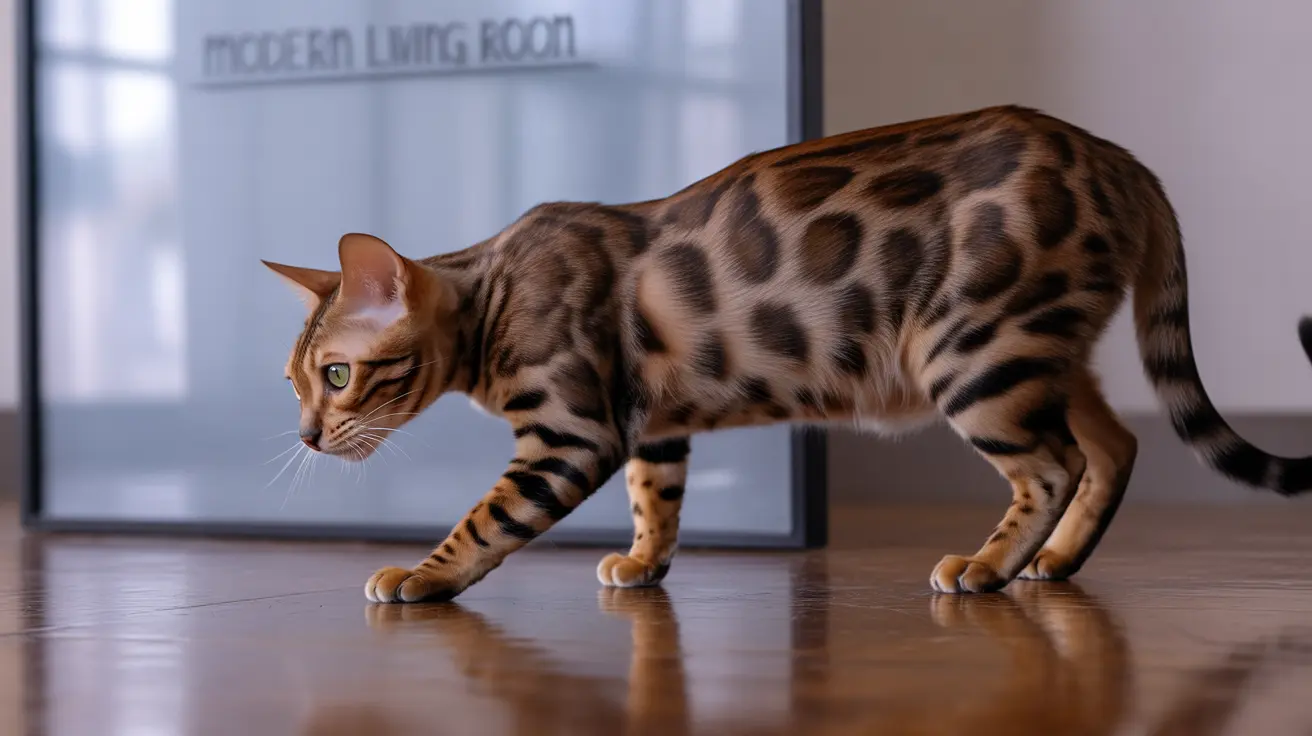
Credit: www.petscare.com
Common Reasons For Indoor Urination
Indoor urination by a potty-trained cat can be confusing and frustrating. Understanding the common reasons behind this behavior helps find the right solution. Cats might urinate outside the litter box due to health, stress, or litter box issues. Each cause needs careful attention to keep your home clean and your cat comfortable.
Health Issues
Urinary tract infections often cause sudden urination problems. Cats with bladder stones or kidney issues may also avoid the litter box. Pain or discomfort can make your cat associate the box with pain. A visit to the vet is important to rule out medical problems quickly.
Stress And Anxiety
Changes in the home can stress cats and cause indoor urination. New pets, visitors, or loud noises create anxiety. Cats use urination to mark territory when they feel insecure. Providing a calm, safe space reduces stress and unwanted urination.
Litter Box Problems
Dirty litter boxes are a common reason cats avoid them. Cats prefer clean, quiet, and private spots for urination. Wrong type of litter or box size may discourage use. Placing multiple boxes in different areas often helps solve the problem.
Health Problems To Watch For
Noticing your potty-trained cat peeing outside the litter box can be frustrating and confusing. One critical area to consider is your cat’s health. Health problems often cause sudden changes in bathroom habits, so spotting signs early can help you get the right care for your furry friend.
Urinary Tract Infections
Urinary tract infections (UTIs) are a common cause of inappropriate urination in cats. Your cat might strain or cry while urinating, or you may find small amounts of urine outside the box.
UTIs can be painful and uncomfortable. If your cat suddenly starts peeing on the floor, especially near the litter box, it’s a red flag. Have your vet check for infection to avoid complications.
Kidney Disease
Kidney disease often leads to increased thirst and urination. If your cat is peeing more frequently and sometimes misses the litter box, kidney problems might be the cause.
Older cats are more at risk, but any cat can develop kidney issues. Monitoring water intake and urine output can give you clues to discuss with your vet.
Diabetes
Diabetes can cause your cat to drink and pee excessively. This can result in accidents outside the litter box, especially if your cat can’t reach it in time.
Look for other signs like weight loss or increased appetite. Early diagnosis and treatment can make a big difference in your cat’s quality of life.
Behavioral Causes
Stress or changes at home can cause a potty-trained cat to urinate on the floor. Cats may also mark territory or react to new pets or people. Boredom and anxiety often lead to this unwanted behavior.
Cats are usually clean animals. So, it can be confusing when a potty-trained cat starts peeing on the floor. This behavior can be due to various reasons. Let’s explore some behavioral causes that might help you understand your cat’s actions.Marking Territory
Cats use urine to mark their territory. This is common in multi-cat households. Your cat may feel the need to assert dominance. They might also do this if a new pet has entered the home. Marking helps them feel secure in their environment.Changes In Environment
Cats are sensitive to changes. A new piece of furniture or a different routine can cause stress. This stress can lead to inappropriate peeing. If you recently moved or renovated, your cat might feel unsettled. They need time to adjust to changes in their environment.Attention-seeking Behavior
Cats crave attention. If they feel ignored, they might act out. Peeing on the floor can be a way to get noticed. They might associate this behavior with getting your attention. Make sure to spend quality time with your cat.
Credit: www.reddit.com
Litter Box Concerns
Litter box concerns often cause potty-trained cats to pee outside the box. Cats are very particular about their bathroom habits. Changes in the litter box environment can stress them. This stress leads to accidents on the floor. Understanding these concerns helps solve the problem quickly.
Box Cleanliness
Cats dislike dirty litter boxes. A box that is not cleaned regularly may repel them. Foul smells or clumps of waste can cause avoidance. Scoop waste daily and change litter weekly. Clean the box with mild soap and water. Avoid strong-smelling cleaners that can scare your cat.
Type Of Litter
Not all cats like the same litter type. Some prefer clumping litter, others non-clumping. Scented litters may irritate sensitive noses. Experiment with different textures and scents. Choose a litter that feels comfortable to your cat’s paws. This can encourage consistent use of the box.
Box Location And Accessibility
The litter box location matters a lot. Cats want a quiet, private place to do their business. Avoid noisy or busy areas. Make sure the box is easy to reach at all times. Elderly or sick cats may struggle with high-sided boxes. Place the box where your cat can enter and exit easily.
How To Address The Issue
Dealing with a potty-trained cat suddenly peeing on the floor can be frustrating and confusing. The good news is, you can take clear steps to find the root cause and help your cat return to good habits. Addressing the issue involves a combination of health checks, environment tweaks, and emotional support.
Veterinary Checkup
Start by taking your cat to the vet. Urinary tract infections or kidney problems can cause sudden accidents. Your vet can also check for diabetes or bladder stones, which are common causes of inappropriate urination.
If your cat shows signs of pain while peeing or seems to strain, don’t wait to get professional help. Sometimes, behavioral issues stem from physical discomfort. A clean bill of health is essential before making other changes.
Improving Litter Box Setup
Take a close look at your cat’s litter box. Is it clean? Cats prefer a spotless box, so scoop it daily and wash it weekly. Try changing the type of litter if your cat seems to avoid the box.
Also, consider the number and location of litter boxes. Ideally, you should have one more box than the number of cats in your home. Place boxes in quiet, accessible spots away from food and water bowls.
Reducing Stress For Your Cat
Stress can cause a well-trained cat to urinate outside the box. Changes like new pets, moving, or loud noises can trigger anxiety. Observe your cat’s behavior for signs of stress, such as hiding or aggressive play.
Help your cat feel safe by creating calm spaces and maintaining a consistent routine. Products like pheromone diffusers or calming treats might help ease anxiety. Have you noticed any recent changes in your home that could upset your cat?
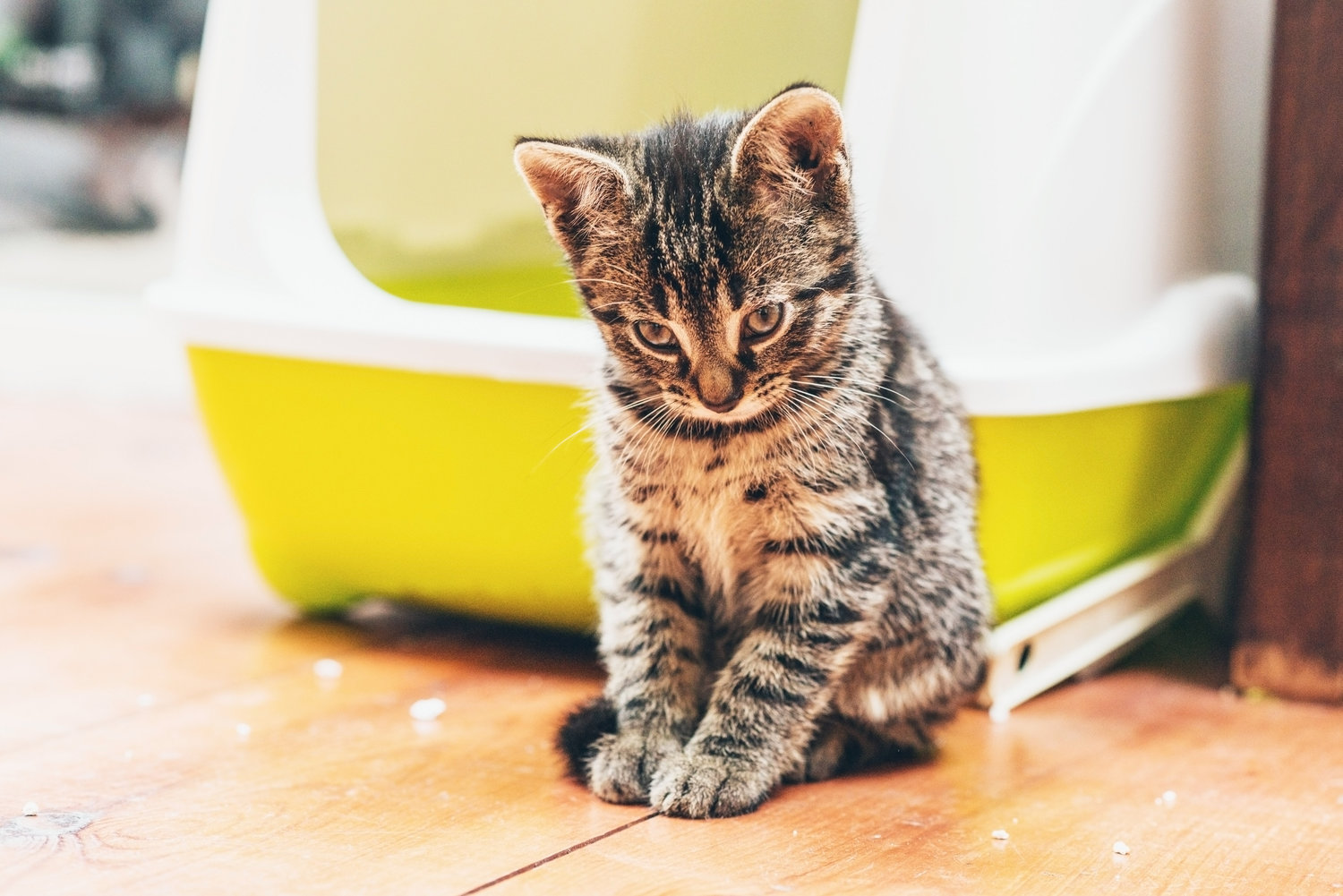
Credit: www.bonvoyagepetsitting.com
Preventing Future Accidents
Preventing future accidents in potty-trained cats requires careful attention and proactive steps. Understanding your cat’s needs and habits helps keep them comfortable and clean. Small changes in routine and environment can make a big difference.
Regular Health Monitoring
Watch your cat for signs of illness or discomfort. Frequent urination, blood in urine, or straining can indicate health problems. Schedule regular vet visits to catch issues early. Healthy cats are less likely to have accidents outside the litter box.
Consistent Litter Box Maintenance
Keep the litter box clean and fresh every day. Scoop waste at least once daily and change litter regularly. Use a litter type your cat prefers. Place the box in a quiet, accessible spot. A clean box encourages your cat to use it consistently.
Creating A Calm Environment
Stress can cause cats to pee on the floor. Maintain a calm home with stable routines. Provide safe spaces and hiding spots for your cat. Avoid loud noises and sudden changes. A relaxed cat is more likely to use the litter box properly.
Frequently Asked Questions
Why Is My Cat Suddenly Peeing Outside The Litter Box?
Cats may pee outside the box due to stress, illness, or a dirty litter tray. Changes in environment or routine can also cause this behavior. Consult a vet to rule out health issues and clean the litter box regularly to encourage proper use.
Can Medical Problems Cause A Potty-trained Cat To Pee On Floors?
Yes, urinary tract infections, bladder stones, or kidney issues can cause inappropriate urination. If your cat suddenly starts peeing outside the litter box, visit a vet promptly for diagnosis and treatment. Early medical intervention helps prevent complications.
How Does Stress Affect A Potty-trained Cat’s Urination?
Stress from new pets, moves, or loud noises can cause cats to pee on the floor. Stress disrupts their normal bathroom habits. Reducing stressors and providing a calm environment helps restore proper litter box use.
What Litter Box Issues Lead To Floor Urination?
Cats dislike dirty or small litter boxes, or those placed in noisy areas. These issues discourage use and lead to accidents. Keep the box clean, spacious, and in a quiet, accessible spot to encourage proper urination.
Conclusion
A potty-trained cat peeing on the floor can feel frustrating. Stress, health issues, or litter box problems often cause this behavior. Watch your cat closely to find clues. Keep the litter box clean and in a quiet place. Visit a vet to rule out infections or other problems.
Patience and care help your cat return to good habits. Remember, understanding the cause is key to fixing the issue. Your cat can feel safe and happy again with time.

Leave a Reply