Are you curious about where Asian Leopard Cats come from and why they play a key role in breeding Bengals? Understanding the origins of these wild cats can change the way you see your Bengal cat’s unique traits.
If you want to know what makes Bengals so special and how their wild ancestors influence their look and behavior, keep reading. This article will give you clear answers and help you appreciate your Bengal even more.
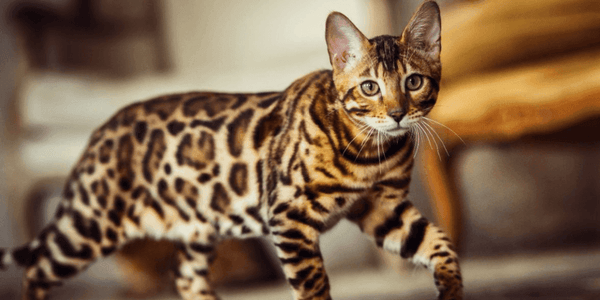
Credit: www.tippaws.com
Asian Leopard Cat Habitat
The Asian Leopard Cat’s habitat plays a crucial role in understanding their behavior and needs, especially when breeding Bengals. Knowing where these wild cats come from helps you create a safe and stimulating environment that mirrors their natural surroundings. This connection between wild habitat and domestic breeding is key to raising healthy, happy Bengals.
Natural Range
Asian Leopard Cats are native to a wide area across Asia. They can be found from the Himalayan foothills to Southeast Asia, including countries like India, China, Thailand, and Indonesia. Their presence spans dense forests, mountainous regions, and even some rural farmlands.
Have you ever considered how this broad range affects their adaptability? These cats thrive in diverse locations, showing their resilience and ability to adjust to different climates and terrains.
Environmental Conditions
These cats prefer habitats with plenty of cover, such as thick forests and bamboo groves. They rely on dense vegetation to hide from predators and hunt efficiently. The environment is often humid with moderate to heavy rainfall, supporting a rich ecosystem of small animals they prey on.
Understanding these conditions can guide you in setting up your Bengal breeding space. For instance, providing plenty of hiding spots and areas to climb can mimic their natural environment and reduce stress for your cats.
Behavior In The Wild
Asian Leopard Cats are solitary and territorial animals. They are mostly active at night, using their keen senses to hunt small mammals, birds, and insects. Their natural behavior includes climbing, stalking, and marking territory.
When breeding Bengals, consider how these traits influence their personality and activity levels. Offering vertical spaces and interactive toys can satisfy their instinctual needs and keep them engaged.

Credit: www.belleamibengals.com
Physical Traits Of Asian Leopard Cats
The Asian Leopard Cat (ALC) is a captivating creature that has played an essential role in the breeding of Bengal cats. Known for their striking beauty and wild allure, these cats possess unique physical traits that make them stand out. Understanding these traits not only enhances our appreciation for them but also sheds light on their role in developing the beloved Bengal breed.
Size And Appearance
Asian Leopard Cats are relatively small, resembling a domestic cat in size. They typically weigh between 5 to 12 pounds, with males being slightly larger than females. Despite their small stature, their lean and muscular build gives them an athletic appearance.
Their bodies are elongated, with long legs and a narrow face that accentuates their wild look. Their large, round eyes are especially mesmerizing, providing them with excellent night vision. This physical structure is not just about aesthetics—it’s a blueprint for survival.
Distinctive Markings
The coat of the Asian Leopard Cat is nothing short of spectacular. Covered in a variety of spots and rosettes, each pattern is unique, much like a fingerprint. These markings serve as a natural camouflage in their forest habitats.
ALCs typically have a golden-yellow to reddish-brown coat, with a white underbelly. Their tails often end with a dark tip, adding to their distinctive look. It’s this striking appearance that breeders aim to replicate in Bengal cats.
Adaptations For Survival
Asian Leopard Cats are equipped with several adaptations that aid in their survival. Their sharp claws and teeth make them effective hunters, capable of catching prey with precision. These traits are crucial in the wild, where every meal counts.
They also possess a keen sense of hearing and smell, which helps them detect both prey and predators. Their solitary and nocturnal nature aids them in avoiding danger and maximizing hunting efficiency. These adaptations ensure their survival in the diverse habitats they occupy across Asia.
Have you ever wondered how these wild traits contribute to the domestic Bengal cats we know today? It’s fascinating to think that the beauty and resilience of the Asian Leopard Cat live on in our homes through the Bengal breed.
Role In Bengal Cat Breeding
The Asian Leopard Cat plays a key role in Bengal cat breeding. This small wild cat is the foundation of the Bengal breed. Breeders use its unique traits to create Bengal cats with wild-looking coats and playful personalities. Understanding this cat’s role helps explain why Bengals look so special.
Crossbreeding Origins
The Bengal breed began by crossing an Asian Leopard Cat with a domestic cat. Breeders aimed to combine the wild coat patterns with a friendly temperament. This crossbreeding started in the 1960s and 1970s. It created the first generation of hybrid Bengals.
Genetic Contributions
The Asian Leopard Cat adds striking spots and rosettes to Bengals. These patterns are rare in regular domestic cats. It also contributes a lean, muscular body shape. Some Bengals may inherit a wild cat’s alertness and energy. These traits make Bengals unique among house cats.
Breeding Challenges
Breeding Bengals involves careful planning and knowledge. The wild genes can cause unpredictable behavior. Breeders must select cats with good temperaments. It takes several generations to stabilize traits. Health and legal rules also affect breeding programs. Patience and skill are essential for success.

Credit: purebredkitties.com
Conservation Status
The conservation status of Asian Leopard Cats is crucial for understanding their role in breeding Bengals. These wild cats face many challenges that affect their population and survival. Protecting them helps maintain the natural balance and supports responsible breeding practices.
Threats In The Wild
- Habitat loss due to deforestation and urban growth
- Hunting for fur and illegal pet trade
- Conflict with farmers protecting poultry
- Road accidents and environmental pollution
Protection Efforts
- Legal protection under wildlife conservation laws
- Establishment of protected reserves and national parks
- Community awareness programs to reduce human-wildlife conflict
- Research projects to monitor populations and health
Impact Of Breeding Programs
Breeding programs help preserve genetic diversity of Asian Leopard Cats. They support Bengal cat development by providing healthy wild genes. Responsible breeding reduces pressure on wild populations. It also raises awareness about conservation needs. These programs must follow ethical and legal standards.
Caring For Asian Leopard Cats In Captivity
Caring for Asian Leopard Cats in captivity demands attention to their unique needs. These wild cats have distinct habits and requirements compared to domestic cats. Understanding these helps you provide a safe and healthy environment, which is crucial when breeding Bengals, as these cats are the foundation of the breed.
Housing Requirements
Asian Leopard Cats need spacious enclosures that mimic their natural habitat. They are agile climbers, so vertical space with branches or platforms is essential. Provide secure fencing to prevent escapes and protect them from predators.
Temperature control matters too. These cats thrive in moderate climates, so avoid extreme heat or cold. Adding hiding spots and dense foliage inside the enclosure helps reduce stress and promotes natural behavior.
Dietary Needs
Feeding Asian Leopard Cats requires a diet rich in protein. They are carnivores and need a mix of fresh meat, whole prey, and supplements to mimic their wild diet. Avoid processed foods or those high in carbohydrates, which can harm their health.
Offering live prey occasionally stimulates their hunting instincts, but it’s not mandatory if you provide variety and enrichment. Monitor their weight and adjust portions to prevent obesity or malnutrition.
Behavioral Considerations
Asian Leopard Cats are naturally shy and territorial. They may not bond like domestic cats but can become accustomed to human presence over time. Patience and gentle handling are key to reducing stress and encouraging trust.
Providing enrichment activities is vital to prevent boredom. Puzzle feeders, climbing structures, and scent trails keep their minds active. How do you ensure your cat’s environment challenges and engages them daily?
Frequently Asked Questions
Where Are Asian Leopard Cats Originally Found?
Asian Leopard Cats are native to South and Southeast Asia. They inhabit forests, grasslands, and mountainous regions across countries like India, China, and Indonesia. Their wide range provides diverse genetic traits valuable for Bengal cat breeding.
Why Are Asian Leopard Cats Used For Bengal Breeding?
Asian Leopard Cats contribute wild traits and unique markings to Bengals. Their genetics enhance Bengals’ exotic appearance, health, and agility. Breeders seek their natural beauty and temperament to create the Bengal breed’s signature look and personality.
How Do Breeders Source Asian Leopard Cats For Bengals?
Breeders acquire Asian Leopard Cats through licensed wildlife breeders and conservation programs. Ethical sourcing ensures healthy, genetically suitable cats. Strict regulations protect wild populations while supporting responsible Bengal breeding practices.
What Traits Do Asian Leopard Cats Pass To Bengals?
Asian Leopard Cats pass distinctive spotted coats, muscular builds, and playful nature to Bengals. These traits create Bengals’ wild yet domestic charm. Their genetics influence Bengals’ behavior, making them energetic, intelligent, and curious pets.
Conclusion
Asian Leopard Cats come from forests across South and Southeast Asia. These wild cats have unique traits that breeders use to create Bengals. Understanding their origin helps appreciate Bengals’ beauty and spirit. Breeders carefully select healthy Asian Leopard Cats for strong, vibrant litters.
This knowledge supports responsible breeding practices and protects wild populations. Bengals carry a special link to their wild ancestors. That connection makes Bengals truly one of a kind.

Leave a Reply