You want the best for your furry friend, and that includes feeding them the right food at the right time. But how do you know when your playful kitten is ready to switch to adult cat food?
Getting this timing right is key to keeping your cat healthy and happy. You’ll discover clear signs to watch for and expert tips to make the transition smooth. Keep reading to learn exactly when and how to make this important change for your cat’s wellbeing.
Kitten Growth Stages
Kittens grow fast and their food needs change quickly. Feeding the right food at each growth stage helps them stay healthy. Understanding these stages guides you on when to switch from kitten to adult cat food.
Newborn To Weaning
During this stage, kittens rely on their mother’s milk for all nutrition. Their tiny bodies need rich energy and antibodies from the milk. This stage lasts about 4 weeks. No solid food is needed yet.
Weaning To Six Months
At about 4 weeks, kittens start trying solid food. Kitten food must be soft and easy to digest. This stage requires high protein and fat to support rapid growth. Kittens need food often, about four times daily.
Six Months To One Year
Growth slows but remains steady. Kittens become more active and playful. Their food should still be nutrient-rich but balanced for slower growth. Feeding two to three times a day works well now.
Differences Between Kitten And Adult Food
Kitten food is rich in nutrients to support fast growth, while adult food suits slower metabolism. Transition usually starts around one year old, matching your cat’s changing needs. Gradual switching helps avoid stomach upset and keeps your cat healthy.
Differences Between Kitten and Adult Food Transitioning your furry friend from kitten to adult cat food is an important milestone. Understanding the key differences between these two types of food can help ensure your cat remains healthy and happy. Each stage of your cat’s life requires specific nutrients and care.Nutritional Needs
Kittens are energetic explorers, and they need a diet rich in protein and fat to support their rapid growth and development. They require more nutrients such as DHA for brain development, which is commonly found in kitten food. Adult cats, however, need balanced nutrition to maintain their health without the additional calories and nutrients required for growth.Calorie Content
Kitten food is packed with calories because their tiny bodies burn energy quickly. It supports their playful nature and fast-paced lifestyle. Adult cat food, on the other hand, has fewer calories to prevent weight gain, since adult cats are less active than kittens.Texture And Size
Kitten food is typically softer and smaller to accommodate their developing teeth and digestive system. It makes it easier for them to chew and digest, ensuring they get the nutrition they need. Adult cat food tends to have a firmer texture and larger pieces, which helps in maintaining dental health and provides a satisfying crunch. Have you noticed how your kitten suddenly prefers the crunchier bites of adult food? It’s not just a preference; it’s a sign they’re ready for a change. As your cat grows, so do their needs. Are you prepared to cater to them?Signs Your Kitten Is Ready
Recognizing when your kitten is ready to switch to adult cat food can make a huge difference in their health and happiness. It’s not just about age—watching your kitten’s behavior, growth, and vet advice will guide you. Knowing these signs helps you make the transition smooth and stress-free for both of you.
Behavioral Changes
Have you noticed your kitten eating less frequently or showing less interest in their kitten food? This could mean their nutritional needs are shifting. Older kittens often start to eat more like adult cats, with longer gaps between meals and a preference for more substantial food.
Also, watch for increased energy levels that don’t require constant snacking. Your kitten may start exploring and playing differently, signaling they need more balanced nutrition to support their active lifestyle.
Physical Growth Indicators
Physical milestones are clear clues. When your kitten reaches about 80% of their expected adult size, it’s a strong sign they’re ready to move on from kitten food.
Look for changes like less rapid growth spurts and a more defined body shape. Teeth development is another hint—once all adult teeth are in, their digestive system is better equipped for adult food.
Veterinarian Recommendations
Your vet is your best resource for timing this change. During check-ups, ask if your kitten’s weight, health, and activity level suggest it’s time to switch.
Veterinarians often recommend transitioning around 9 to 12 months but will adjust advice based on your kitten’s breed and health. Don’t hesitate to seek personalized guidance—it can prevent digestive issues and ensure your cat thrives.
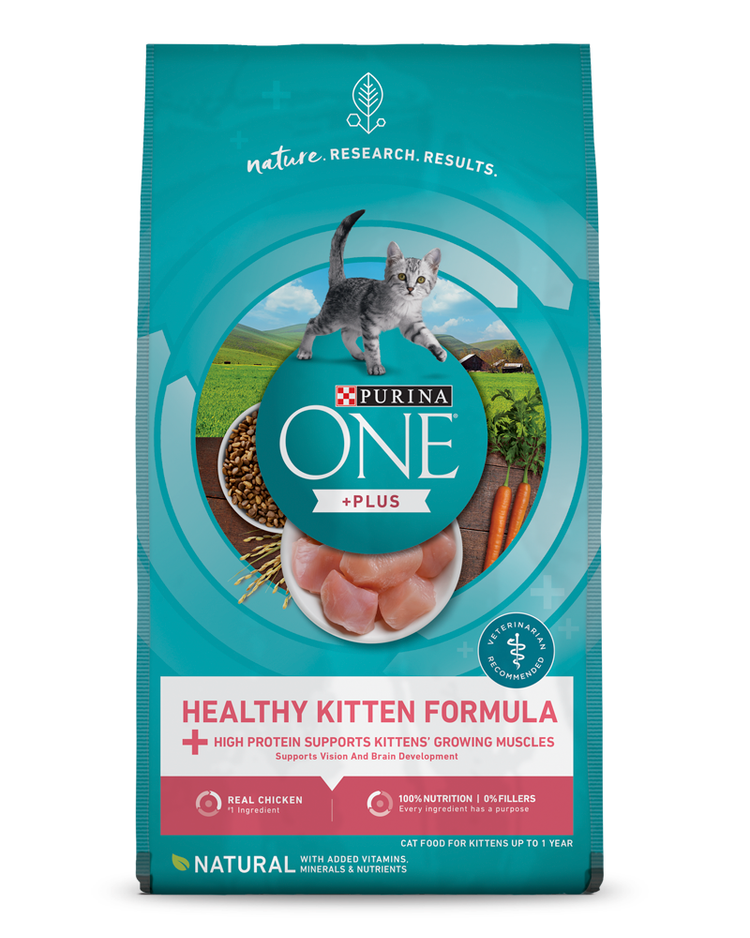
Credit: www.purina.com
Timing The Transition
Timing the transition from kitten to adult cat food is key for your cat’s health. Feeding the right food at the right stage supports growth and energy. Too early or too late can cause nutrition problems. Watch for signs that your kitten is ready to switch.
Common Age Range
Kittens usually start eating adult cat food between 9 and 12 months old. Most cats finish growing by one year. Some may need adult food earlier or later. Observe your cat’s size and behavior to decide the best time.
Breed And Size Considerations
Large breeds grow longer and need kitten food longer. Small breeds mature faster and can switch sooner. For example:
- Large breeds: transition around 12 months or later
- Small breeds: transition closer to 9 months
Adjust feeding timing based on your cat’s breed and weight. Talk to your vet for breed-specific advice.
Health Factors
Your cat’s health affects the timing too. Cats with special needs or illnesses might need kitten food longer. Overweight cats may benefit from earlier adult food. Monitor their condition carefully during the switch. Always consult your vet about health-related feeding changes.
How To Switch Foods Safely
Switching your kitten from their special kitten food to adult cat food needs care and attention. A sudden change can upset their tummy and make mealtime stressful. You want to keep your cat happy and healthy during this transition, so handling the switch gently is key.
Gradual Mixing Techniques
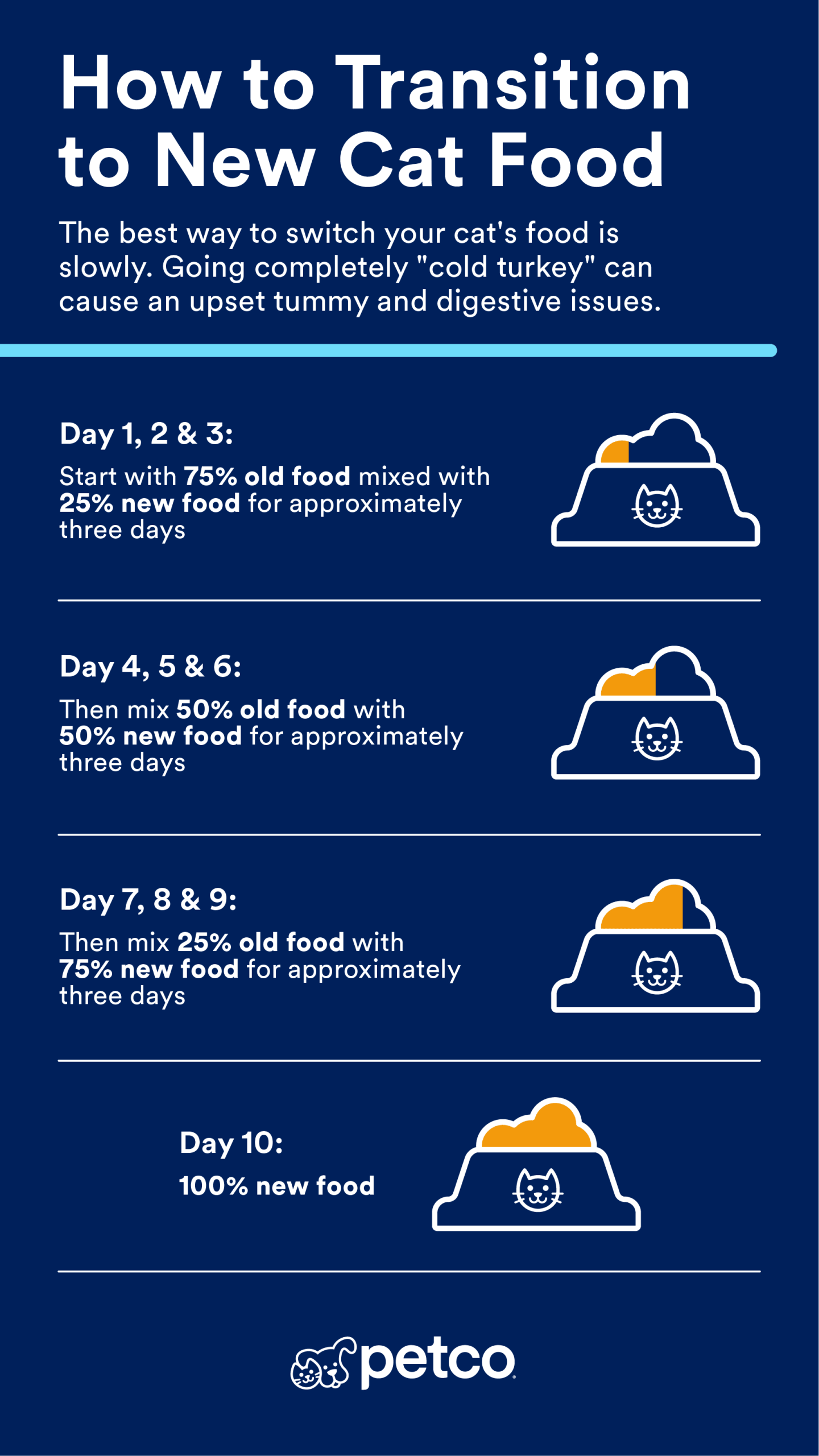
Start by mixing a small amount of adult cat food into the kitten food. Try a ratio like 75% kitten food and 25% adult food for a few days. Gradually increase the adult food portion while decreasing the kitten food over 7 to 10 days.
This slow change helps your cat’s digestive system adjust without shock. Have you noticed how your cat reacts when you change their food too quickly? Often, a little patience pays off.
Monitoring Digestive Health
Watch your cat’s stool and overall behavior closely during the switch. Soft stools or diarrhea can be signs the transition is too fast. If you see these, slow down the rate at which you introduce the adult food.
Also, keep an eye on your cat’s appetite and energy levels. A healthy appetite and normal activity usually mean the new food is working well. Would you be able to spot subtle signs that your cat isn’t adjusting well?
Adjusting Feeding Amounts
Adult cats need different calorie amounts than kittens. As you switch foods, adjust the quantity to match your cat’s age and activity level. Check feeding guidelines on the packaging, but remember each cat is unique.
If your cat gains or loses weight unexpectedly, tweak the portions accordingly. Have you ever had to fine-tune your pet’s food amounts to keep their weight just right? It’s a balancing act that pays off.

Credit: www.tippaws.com
Common Challenges During Transition
Transitioning your kitten to adult cat food is an important milestone, but it often comes with a few bumps along the way. Understanding the common challenges can help you navigate this phase smoothly and keep your cat happy and healthy. Let’s look at some issues you might face and how to tackle them effectively.
Refusal To Eat
It’s frustrating when your kitten suddenly turns away from the new food. Cats can be picky, and the change in texture, flavor, or smell might put them off. Try mixing a small amount of the adult food with their usual kitten food and gradually increase the new food over several days.
If your cat still refuses, consider warming the food slightly to enhance its aroma. Have you noticed your cat prefers wet over dry food, or vice versa? Experimenting with different formats can make a big difference.
Digestive Upset
Switching foods can sometimes cause digestive issues like diarrhea or vomiting. This happens because your kitten’s digestive system needs time to adjust to the new ingredients and nutrient levels. Introducing the new food slowly over 7 to 10 days helps minimize these problems.
If digestive upset persists beyond this period, consult your vet. They might suggest a specific diet or supplements to ease the transition. Have you tracked your kitten’s stool consistency and appetite during the switch? Keeping notes can help identify any lingering issues.
Nutrient Deficiencies
Adult cat food is formulated differently from kitten food, focusing on maintenance rather than growth. If the transition happens too early or the new food lacks essential nutrients, your cat might suffer from deficiencies. Always choose adult food that meets AAFCO standards for complete and balanced nutrition.
Watch for signs like dull coat, lethargy, or weight loss, which could indicate a problem. Are you monitoring your cat’s weight and energy levels during this phase? Adjusting feeding amounts or consulting your vet can help ensure your cat stays nourished and vibrant.
Maintaining Balanced Nutrition After Transition
Maintaining balanced nutrition after transitioning your kitten to adult cat food is key to keeping your cat healthy and active. This change isn’t just about swapping bags of food; it means adjusting the nutrient mix to fit your cat’s new life stage. Getting this right helps avoid common health issues and supports a long, vibrant life for your feline friend.
Protein And Fat Requirements
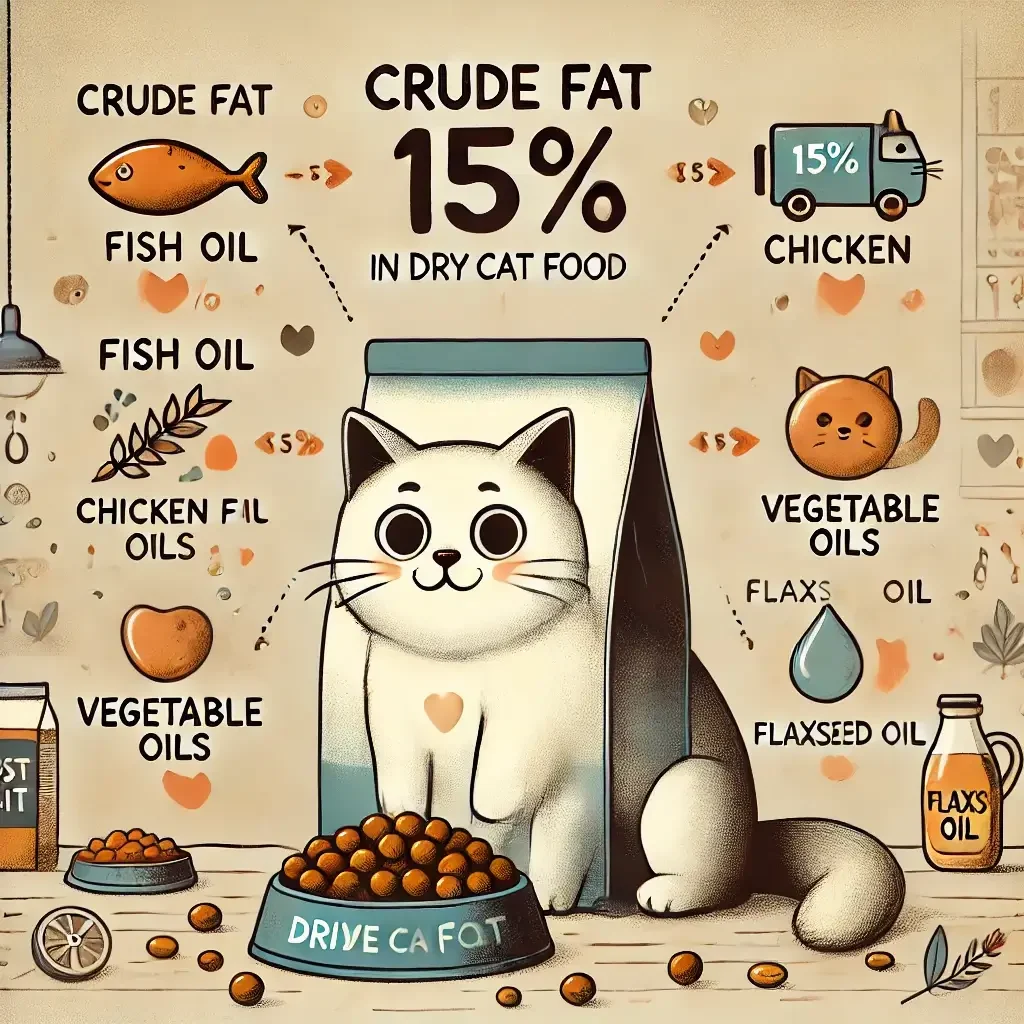
Your adult cat still needs plenty of protein, but not as much as a growing kitten. Adult cat food usually contains moderate protein levels that support muscle maintenance without overloading the kidneys. Fat content also changes—too much can lead to weight gain, too little might leave your cat low on energy.
Look for foods with animal-based proteins like chicken or fish listed as the first ingredient. Pay attention to fat percentages and adjust portions if your cat starts gaining extra pounds. Have you noticed your cat’s energy levels drop? It might be time to check if their diet matches their activity.
Essential Vitamins And Minerals
Vitamins like A, E, and B-complex remain important, but the balance shifts after kittenhood. Calcium and phosphorus levels are usually reduced in adult food to support bone health without causing strain. Taurine is critical—your cat’s heart and eyes depend on it, so make sure the food contains enough.
Consider supplements only if recommended by your vet. Over-supplementing can do more harm than good. What changes have you noticed in your cat’s coat or behavior? These can be signs of nutrient imbalances.
Hydration Tips
Adult cats often drink less water than kittens, which can lead to urinary problems. Wet food is an excellent way to increase hydration naturally. If your cat prefers dry kibble, try adding a splash of water or broth to make it more appealing.
Keep fresh water available at all times and encourage drinking by placing multiple bowls around your home. Have you tried a pet fountain? Many cats find running water irresistible and drink more often. How hydrated is your cat throughout the day?
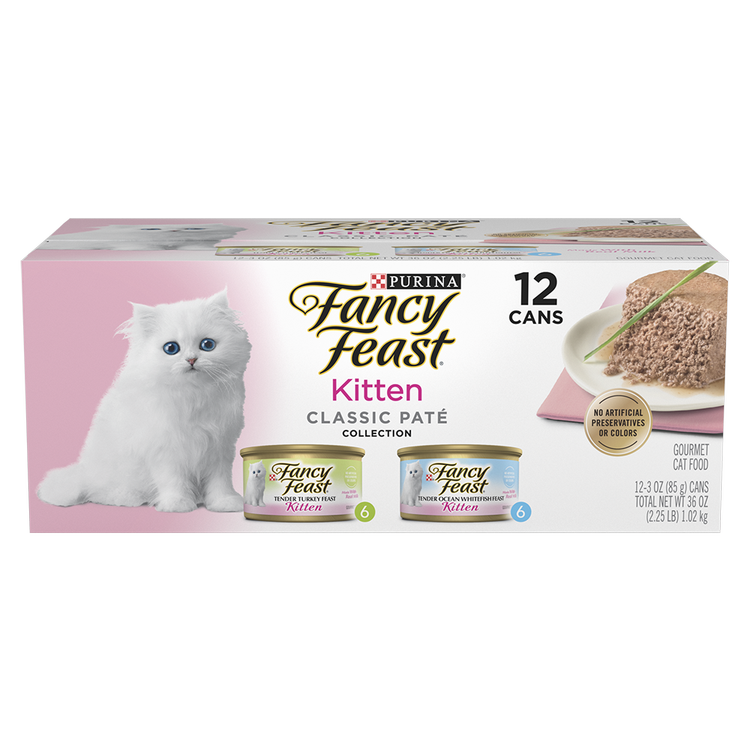
Credit: www.purina.com
Frequently Asked Questions
When Should I Switch My Kitten To Adult Cat Food?
You should transition your kitten to adult cat food around 12 months old. This timing ensures balanced nutrition for their slower growth phase.
How Do I Know If My Cat Is Ready For Adult Food?
Look for signs like slowed growth and less playful behavior. Consult your vet if unsure about the right time to switch.
Can Switching Food Too Early Harm My Kitten?
Yes, switching too soon may cause nutritional deficiencies. Kittens need higher protein and calories for healthy development.
What Are The Benefits Of Adult Cat Food?
Adult cat food supports maintenance, weight control, and overall health. It contains fewer calories than kitten food to prevent obesity.
Conclusion
Choosing the right time to switch from kitten to adult cat food matters. Watch your cat’s age and growth closely. Around one year old is a good guide. Adult food meets changing nutritional needs well. It helps keep your cat healthy and active.
Always check with your vet before making changes. A smooth transition keeps your cat happy. Remember, good food supports a long, joyful life. Your cat will thank you with purrs and play. Keep an eye on their health as they grow.
Simple steps make a big difference for your pet.

Leave a Reply