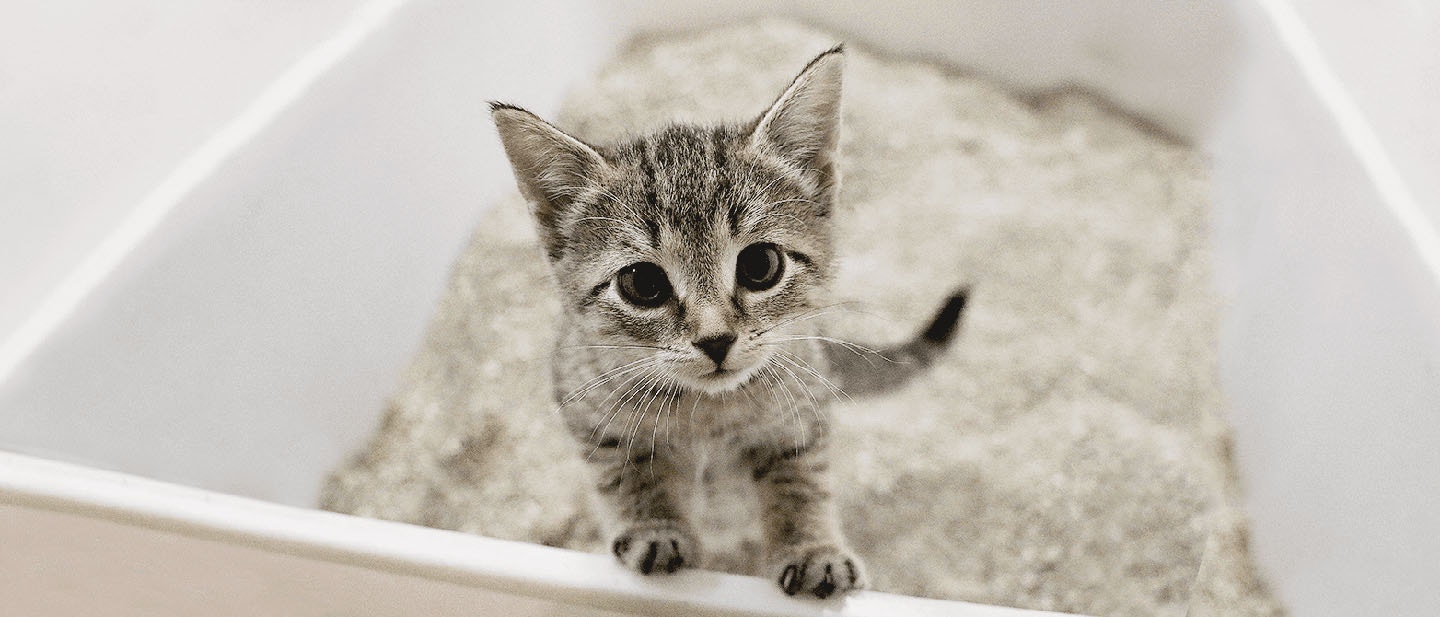
If you’ve ever wondered how cats learn to use the litter box, you’re not alone. Training your cat to go potty in the right place can feel tricky, but it’s actually simpler than you might think.
Understanding how cats naturally behave and what they need can make the process smoother for both you and your furry friend. By the end of this article, you’ll have clear, practical steps to potty train your cat quickly and easily—saving you time, frustration, and keeping your home clean.
Ready to discover the secrets behind successful cat potty training? Let’s dive in.
Choosing The Right Litter Box
Choosing the right litter box plays a big role in potty training cats. Cats prefer comfort and privacy while using the box. The right size and type make them feel safe and encourage proper use. Placement also affects their willingness to use the box regularly.
Size And Type Options
Select a litter box that fits your cat’s size. Small boxes can feel cramped and discourage use. Larger boxes allow cats to move and dig comfortably. Consider covered boxes for privacy. Some cats dislike covers, so observe your pet’s preference.
- Standard open litter boxes suit most cats.
- Covered litter boxes reduce odor but may feel tight.
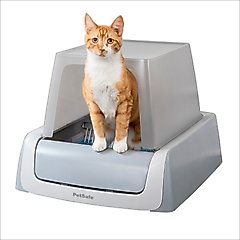
- Self-cleaning boxes offer convenience but might scare shy cats.
Placement Tips
Place the litter box in a quiet, low-traffic area. Avoid noisy or busy spots. Near the cat’s sleeping area is often good. Keep it away from food and water bowls. Ensure easy access to the box at all times. Cleanliness is key; scoop the box daily to keep it fresh.
Selecting The Best Litter
Choosing the right litter is a key part of potty training your cat. It affects how comfortable your cat feels using the box and how easy it is for you to keep things clean. The best litter encourages your cat to use the box consistently, making training smoother for both of you.
Material Varieties
Cat litter comes in many materials, each with its own benefits. Clay-based litters are popular because they clump well and control odor. However, they can be dusty and heavy to clean.
Natural options like corn, wheat, or pine litters are lighter and often less dusty. They appeal to cats sensitive to strong smells or textures. You might notice your cat prefers one texture over another—pay attention and try a few types to see what your cat likes best.
Silica gel crystals are another choice. They absorb moisture and odor efficiently but don’t clump like clay. If you have a busy schedule, this type might save you time.
Scented Vs Unscented
Scented litters are designed to mask odors, which seems helpful. But many cats dislike strong fragrances and may avoid the litter box because of them. Have you ever noticed your cat sniffing around before using the box? That’s their way of checking if the litter is suitable.
Unscented litters let your cat’s natural scent come through. This can make them more comfortable and willing to use the box regularly. If you want to reduce odor without scent, try litters with good clumping ability and frequent cleaning.
Some cats are very sensitive, so starting with unscented litter is often safer. Observe your cat’s behavior closely—if they seem hesitant or avoid the box, the scent could be the reason.
Introducing The Litter Box
Cats learn to use the litter box by instinct and gentle guidance. Providing a clean, quiet spot helps them feel safe and ready to go. Consistency and patience make potty training easier for both cat and owner.
Introducing the Litter Box Potty training your cat begins with a simple yet crucial step: introducing the litter box. Choosing the right spot for the litter box is key. It should be a quiet, accessible place where your cat feels safe. Cats, like humans, appreciate privacy. A secluded corner or a spare bathroom might be ideal. Avoid placing it near noisy appliances or high-traffic areas. Cats are naturally clean creatures, so keep the litter box clean. Scoop it daily to encourage use and prevent unpleasant odors.First Exposure
When you first bring the litter box home, let your cat explore it at their own pace. Place your cat gently in the box so they understand its purpose. Don’t force them; instead, let them get used to it on their own terms. Observe their behavior closely. If they seem hesitant, gently scratch the litter with your fingers to demonstrate. This mimics the natural digging behavior cats engage in before doing their business.Encouraging Exploration
Encouragement can work wonders in getting your cat to use the litter box. Place familiar items like a favorite toy nearby to create a positive association. If your cat isn’t immediately interested, be patient. Some cats take longer to adapt, and that’s perfectly okay. Consider using a litter attractant to entice them further. These are often herbal-based and can pique your cat’s curiosity. Have you tried different types of litter? Some cats prefer certain textures or scents, so experimenting might lead to success.Establishing A Routine
Establishing a routine is key to potty training cats. Cats thrive on consistency and predictability. Setting a daily schedule helps them understand when and where to go. This reduces accidents and builds good habits quickly.
Feeding Schedule Impact
Feeding cats at the same times each day controls their bathroom habits. Food intake influences when they need to use the litter box. A steady feeding schedule means fewer surprises. Cats usually need the litter box within 30 minutes after eating. This timing helps you guide them to the right spot.
Regular Box Cleaning
Clean litter boxes encourage cats to use them regularly. Cats dislike dirty or smelly boxes. Cleaning the box daily keeps it fresh and inviting. Scoop out waste and replace litter as needed. A clean box reduces accidents and stress for your cat. It also helps maintain a healthy routine for them.
Handling Accidents
Accidents happen during a cat’s potty training journey. How you handle these moments shapes their learning and comfort. Cleaning messes quickly and calmly is key. Avoiding harsh reactions helps your cat feel safe and eager to learn. Patience and proper care keep the process smooth and stress-free.
Cleaning Techniques
Use an enzyme-based cleaner to remove odors fully. Avoid ammonia cleaners because they can attract cats back. Blot the area with paper towels first. Then spray the cleaner generously. Let it sit for a few minutes before wiping. Repeat if the smell remains. Clean the spot well to stop repeat accidents.
Avoiding Punishment
Never yell or hit your cat for accidents. Punishment creates fear and confusion. Cats don’t link punishment to their actions easily. Stay calm and patient instead. Reward good behavior with treats or praise. This encourages your cat to use the litter box. Kindness builds trust and speeds up training.

Credit: www.francisurology.com
Positive Reinforcement
Positive reinforcement plays a key role in helping your cat learn where to go potty. It’s all about encouraging the behavior you want by rewarding your cat immediately after they do it. This approach builds a clear connection in your cat’s mind between using the litter box and receiving something good.
Getting this right can save you frustration and speed up training. Have you ever noticed how quickly your cat picks up on little signals from you? That’s the power of positive reinforcement working in everyday life.
Reward Strategies
Choose rewards that truly motivate your cat. Some cats respond well to small treats, while others prefer gentle petting or playtime. Find what makes your cat happiest and use it consistently right after they use the litter box.
- Offer a tasty treat immediately after your cat uses the box.
- Use a clicker if you’re familiar with clicker training to mark the good behavior.
- Keep treats small to avoid overfeeding but frequent enough to keep your cat interested.
Timing is everything here. Even a delay of a few minutes can confuse your cat about what behavior is being rewarded. Pay attention to your cat’s preferences and adjust your rewards accordingly.
Using Praise Effectively
Verbal praise can be a powerful tool if used correctly. Speak in a calm, happy tone right after your cat uses the litter box. Cats respond to your voice and tone more than the actual words.
Combine praise with gentle petting or a soft scratch behind the ears to reinforce the positive experience. Avoid overdoing it, as too much excitement might stress your cat or distract them.
Have you ever tried praising your cat and noticed how their tail twitches or ears perk up? That’s a sign they understand and appreciate your encouragement. Use these moments to build a stronger bond and reinforce potty training success.
Addressing Common Challenges
Potty training your cat can sometimes feel like a puzzle with missing pieces. Challenges pop up that can make you question if your cat will ever use the litter box consistently. Tackling these common issues head-on can save you frustration and help your cat feel comfortable and confident.
Avoiding Litter Box Aversion
One main reason cats avoid their litter box is because it’s not clean enough or placed in a stressful spot. Cats are very particular about cleanliness, so scooping the box daily is essential. You might not notice the smell, but your cat definitely will.
Think about where the box sits. Is it near loud appliances or busy areas? Moving it to a quiet, low-traffic corner can make a big difference. Also, use unscented, clumping litter to keep the environment inviting.
If your cat has had a bad experience—like pain while using the box—this can create aversion. Watch for signs of medical issues, and consult a vet if needed. Have you noticed your cat hesitating or going just outside the box? That might be a red flag worth exploring.
Dealing With Multi-cat Households
Having more than one cat complicates potty training. Cats can be territorial, and sharing a litter box can create stress and lead to accidents. The general rule is to provide one litter box per cat, plus one extra.
Place boxes in different locations to prevent competition. Cats often prefer privacy, so scattering boxes across the house helps. You might also notice some cats “guarding” a box; in this case, adding more options is crucial.
Pay attention to each cat’s preferences. Some may like covered boxes, while others want open ones. By customizing the setup, you make it easier for every cat to feel comfortable. Are your cats getting along around the litter boxes, or do you see signs of tension?
Credit: www.chewy.com
When To Consult A Vet
Knowing when to consult a vet during your cat’s potty training journey can save you from unnecessary frustration and help your furry friend stay healthy. Sometimes, potty issues are not just about behavior but could be signals of underlying health problems. Being alert to these signs ensures your cat gets the right care quickly.
Signs Of Medical Issues
If your cat suddenly stops using the litter box or has accidents in unusual places, it could be more than just stubbornness. Look for signs like frequent urination, blood in the urine, or excessive licking of the genital area. These symptoms often point to urinary tract infections or bladder problems.
My own cat once started avoiding the litter box, and I thought it was a training issue. A quick vet visit revealed a urinary infection that needed treatment. Catching it early prevented much discomfort for her and saved me from weeks of frustration.
Other medical issues to watch for include constipation, diarrhea, or sudden weight loss. If your cat seems in pain while using the litter box or cries out, don’t wait—contact your vet right away.
Behavioral Concerns
Sometimes, litter box problems arise from stress, anxiety, or changes in your cat’s environment. Moving to a new home, adding another pet, or changes in your schedule can trigger these behaviors. If your cat suddenly avoids the litter box but shows no medical symptoms, behavioral causes might be at play.
Notice if your cat hides more often, becomes aggressive, or shows signs of anxiety. These could be clues that they are upset or stressed. A vet can help identify if a behavioral issue is behind the potty problems and suggest solutions like calming products or environmental adjustments.
Have you observed any changes in your cat’s routine or environment before the potty issues began? Sometimes, a small change can make a big difference. Consulting a vet can guide you in understanding these subtle signals and restoring good litter box habits.

Credit: www.purina.com
Frequently Asked Questions
How Long Does It Take To Potty Train A Cat?
Potty training a cat usually takes 1 to 3 weeks. Consistency and patience speed up the process. Each cat learns at its own pace, so be patient and positive during training.
What Are The Best Litter Box Types For Training Cats?
Covered and uncovered litter boxes both work well. Choose one that is easy to access and clean. Avoid scented litter, which can deter cats from using the box.
How Do I Encourage My Cat To Use The Litter Box?
Place the litter box in a quiet, accessible area. Gently place your cat inside after meals and naps. Reward your cat with praise or treats when it uses the box.
Can Kittens Learn Potty Training Differently Than Adult Cats?
Yes, kittens usually learn faster than adult cats. They are more adaptable and curious. Start training early for best results and be patient with older cats.
Conclusion
Teaching cats to use the litter box takes patience and care. Start early and keep the box clean. Cats like quiet, safe spots for their bathroom. Reward good behavior with gentle praise or treats. Watch your cat’s habits and adjust as needed.
Consistency helps cats learn faster. Remember, every cat is different and learns at their own pace. With love and patience, your cat will get potty trained. A happy cat means a happy home.


Leave a Reply