Are you wondering if it’s safe to feed your kitten adult cat food? It’s a common question many pet owners have, especially when you want to give your new furry friend the best start in life.
Feeding your kitten the right food is crucial for their growth, health, and energy. But can adult cat food meet those needs, or will it hold your kitten back? Keep reading to find out what’s best for your kitten’s diet and how you can make sure they grow up strong and happy.
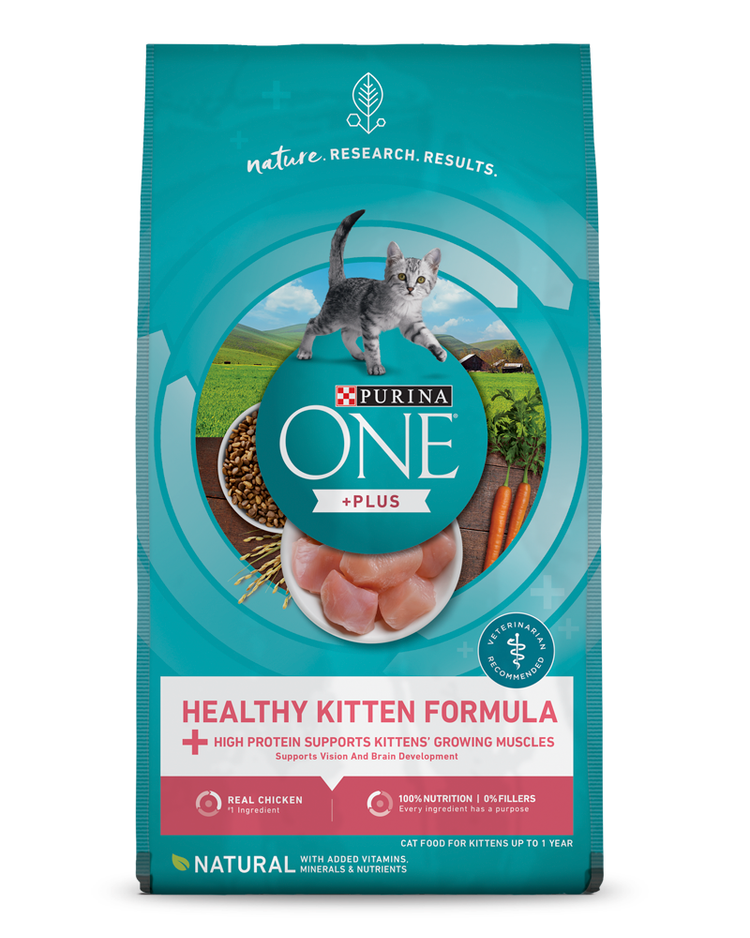
Credit: www.purina.com
Nutritional Needs Of Kittens
Kittens need special food to grow healthy and strong. Their bodies change fast, so they require more energy and nutrients than adult cats. Feeding them the right diet helps build muscles, bones, and a strong immune system. Understanding their nutritional needs is key to their development and well-being.
Growth Requirements
Kittens grow quickly during their first year. Their food must support this rapid growth. They need more calories than adult cats. These calories fuel their energy and body changes.
Proteins are vital for building muscles and tissues. Kittens also need fats for brain development and energy. A kitten’s diet must be balanced to meet these needs. Feeding adult cat food may not provide enough energy or nutrients.
Key Nutrients For Development
- Protein:Essential for muscle and tissue growth.
- Fat:Supports brain development and energy.
- Calcium and Phosphorus:Important for strong bones and teeth.
- Taurine:An amino acid critical for heart and eye health.
- Vitamins and Minerals:Help boost immunity and overall health.
Kittens need food rich in these nutrients to grow well. Adult cat food often lacks enough of these essentials. Feeding kittens the right food helps avoid health problems later.
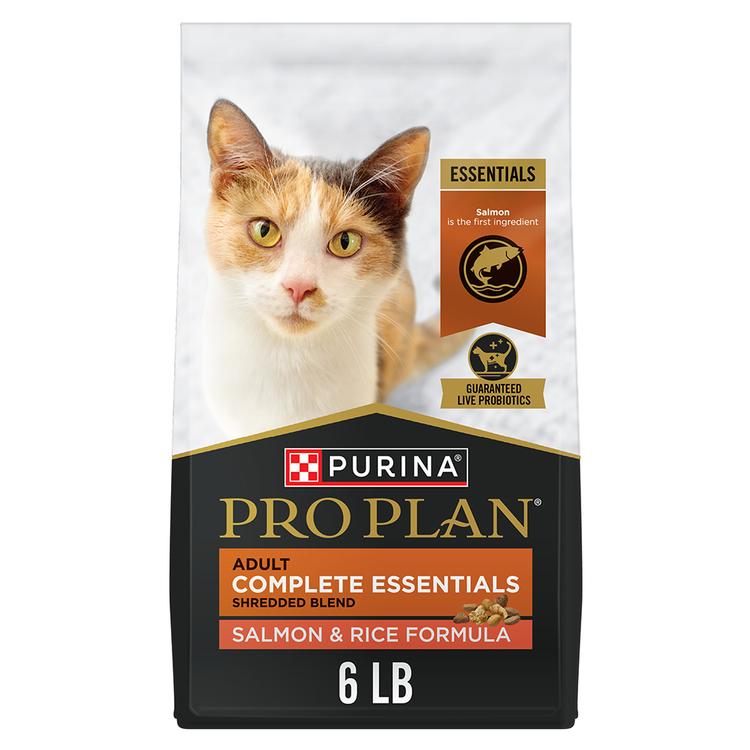
Credit: www.purina.com
Differences Between Kitten And Adult Cat Food
Kitten food and adult cat food have clear differences. These differences match the unique needs of kittens and adult cats. Kittens grow fast and need extra nutrition. Adult cats need less energy but balanced nutrients to stay healthy.
Calorie Content
Kitten food contains more calories than adult cat food. Kittens burn more energy while growing and playing. Extra calories support their rapid development and strong muscles. Adult cat food has fewer calories to prevent weight gain in less active cats.
Protein And Fat Levels
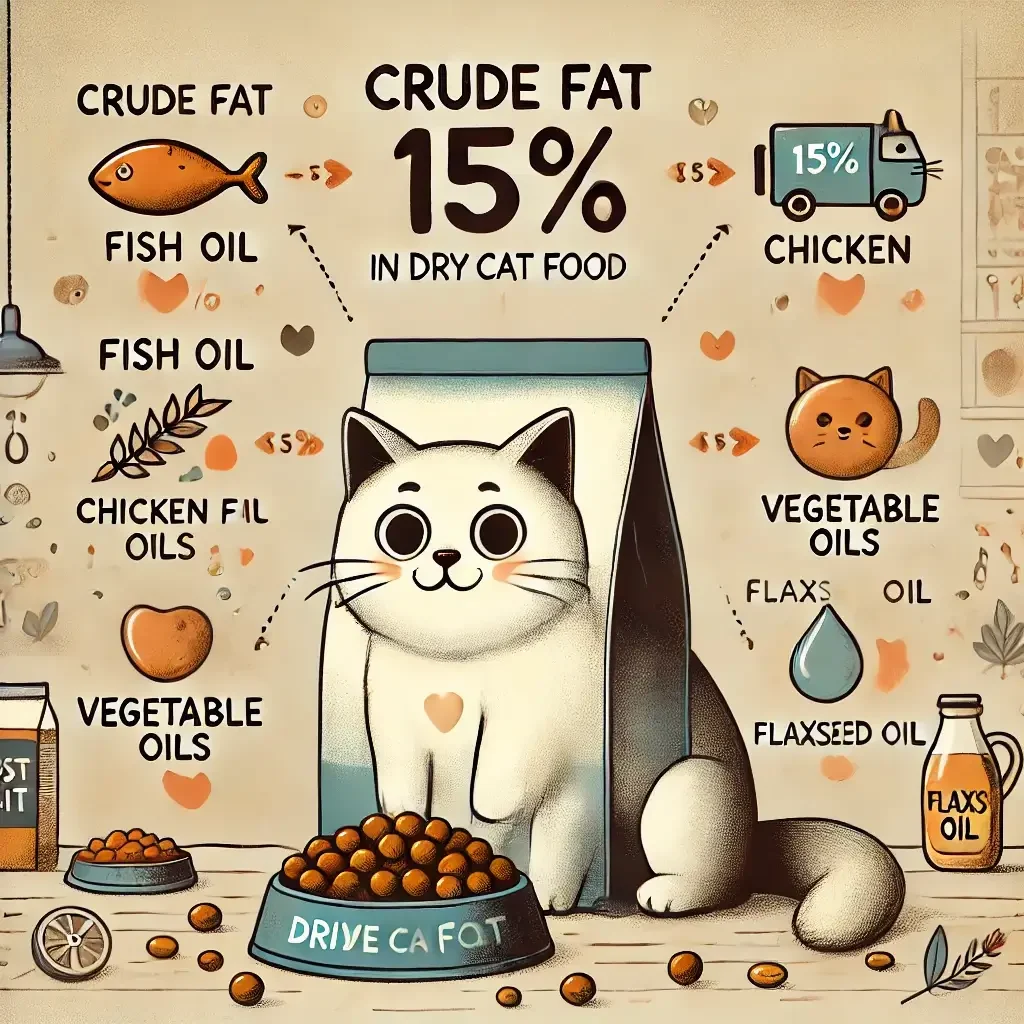
Kitten food has higher protein and fat levels. Protein helps build muscles and supports healthy skin and fur. Fat provides energy and supports brain development. Adult cat food has moderate protein and fat, enough to maintain health without causing weight issues.
Vitamin And Mineral Variations
Kittens need more vitamins and minerals for growth. Kitten food has extra calcium, phosphorus, and vitamin D for strong bones and teeth. Taurine, essential for heart and eye health, is also higher in kitten food. Adult cat food contains balanced vitamins and minerals to keep adult cats healthy and active.
Potential Risks Of Feeding Adult Food To Kittens
Feeding kittens adult cat food might seem convenient. But it poses several risks to their health. Kittens have unique dietary needs for growth and development. Adult cat food lacks the nutrients required for their early life stages. Understanding these risks helps ensure your kitten grows up healthy and strong.
Nutrient Deficiencies
Adult cat food does not meet a kitten’s nutritional needs. Kittens need more protein, fat, and certain vitamins. Missing these can stunt growth and weaken their immune system. They require specific nutrients like taurine, which is higher in kitten food. Without these, a kitten’s development may suffer.
Digestive Issues
Kittens have sensitive stomachs. Adult cat food can be hard for them to digest. It might cause upset stomachs or diarrhea. Their digestive system needs time to adjust to solid foods. A proper balance of nutrients aids in smoother digestion.
Long-term Health Effects
Feeding adult food to kittens can impact their health in the long run. Poor nutrition in early life can lead to weak bones and muscles. It can also affect their organ development and function. Ensuring they get the right nutrients early helps avoid these problems. Proper diet in kittenhood sets the foundation for a healthy adult cat.
When Adult Cat Food Might Be Acceptable
Adult cat food is usually not ideal for kittens due to their special nutritional needs. Kittens require more protein, fat, and certain vitamins for healthy growth. Yet, in some situations, feeding adult cat food to kittens might be acceptable for a short time. Understanding these cases helps keep your kitten safe and healthy.
Short-term Substitutions
Adult cat food can serve as a temporary meal if kitten food is not available. This should only last a few days. The adult food should be high-quality and nutritious. Avoid feeding adult food for long periods to prevent nutrient gaps. Monitor your kitten’s weight and energy during this time. Make sure fresh water is always accessible.
Consulting A Veterinarian
Always ask a vet before changing your kitten’s diet. A vet can recommend the best food options based on age and health. They can guide you on how long to feed adult food if needed. Vets may suggest supplements to balance the diet. Regular check-ups help track your kitten’s growth and well-being. Professional advice reduces risks from improper feeding.
Tips For Transitioning Kittens To Adult Food
Transitioning a kitten from adult cat food requires care and patience. Sudden changes can upset their stomach or cause them to reject the new food. A smooth transition helps kittens adjust easily and stay healthy. Follow these tips to make the process simple and stress-free.
Timing The Switch
Kittens need kitten food until about 12 months old. Their bodies grow fast and need extra nutrients. Switching too early can cause nutritional gaps. Wait until they are near one year old to start the change. Observe your kitten’s growth and energy levels for signs they are ready.
Gradual Introduction
Mix a small amount of adult food with kitten food at first. Increase the adult food slowly over 7 to 10 days. This helps the kitten’s digestive system adjust. Watch if they eat well and show no stomach problems. Use a feeding schedule to keep meals consistent and balanced.
Monitoring Kitten Health
Check your kitten’s weight and coat condition often. Look for signs of illness or discomfort. If the kitten refuses food or has diarrhea, slow down the transition. Consult a vet if problems continue. Healthy kittens should remain active and playful during the switch.
Expert Recommendations For Kitten Diet
Caring for a kitten’s diet is crucial for their growth and long-term health. Experts emphasize that kittens have different nutritional needs than adult cats. Understanding these needs helps you decide whether feeding adult cat food to your kitten is a good choice or not.
Choosing Quality Kitten Food
Kitten food is specially made to support rapid growth and brain development. It contains higher protein, fat, and essential nutrients like DHA compared to adult cat food. Choosing a high-quality kitten food ensures your little one gets the right balance of vitamins and minerals.
Look for foods labeled specifically for kittens, as they meet nutritional standards set by veterinary groups. You might notice kitten food often has smaller kibble sizes, making it easier for tiny mouths to chew. Have you checked the ingredient list to see if real meat is the first item? That’s a good sign of quality.
Supplement Options
Sometimes, even the best kitten food might need a little help. Supplements like omega-3 fatty acids can support brain and eye development. Probiotics can improve digestion and strengthen the immune system.
Before adding supplements, ask yourself if your kitten’s food already covers these needs. Over-supplementing can cause imbalances or health issues. Consult with your vet to tailor supplements to your kitten’s unique requirements.
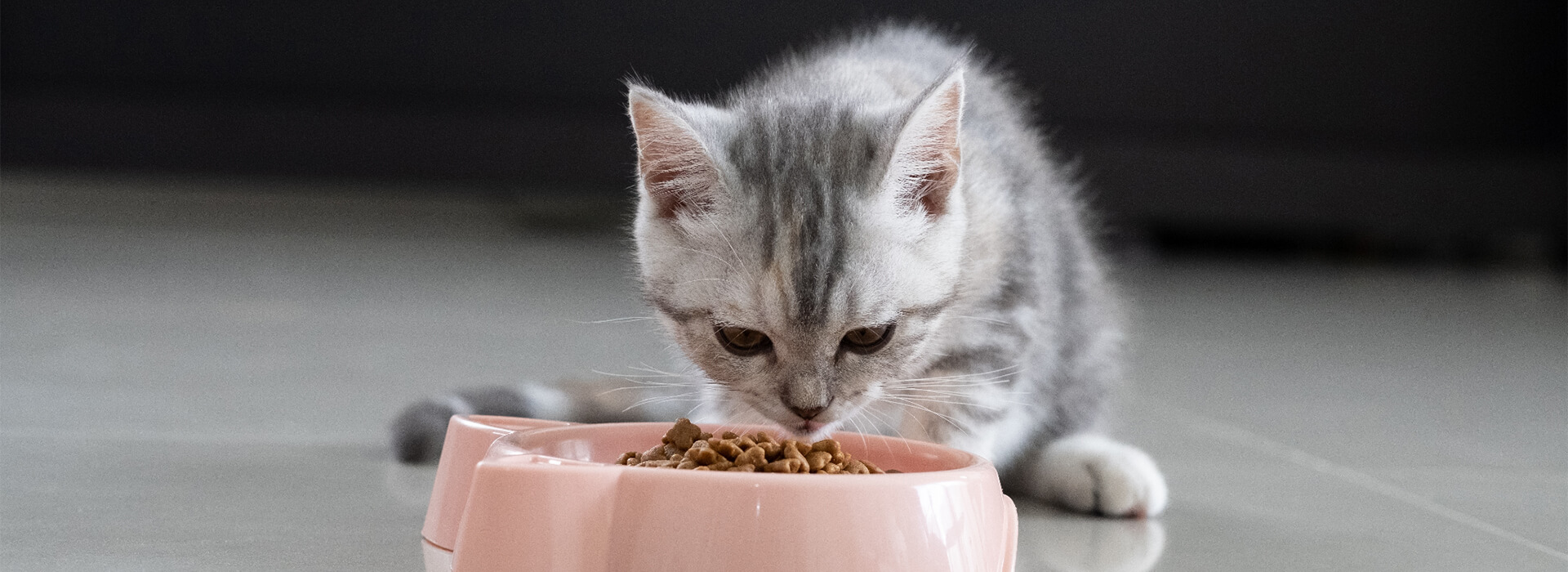
Credit: www.whiskas.co.uk
Frequently Asked Questions
Can Kittens Eat Adult Cat Food Safely?
Kittens can eat adult cat food, but it’s not ideal. Adult food lacks essential nutrients kittens need for growth. Feeding kitten-specific food ensures proper development and health during early life stages.
What Are Risks Of Feeding Kittens Adult Food?
Adult cat food may cause nutrient deficiencies in kittens. It often lacks adequate protein, fat, and vitamins. This can lead to slower growth, weakened immunity, and developmental issues in young cats.
When Can Kittens Switch To Adult Cat Food?
Kittens can transition to adult food around 12 months old. At this age, their growth slows, and nutritional needs align with adult cats. Gradual switching helps avoid digestive upset and ensures balanced nutrition.
Why Is Kitten Food Better Than Adult Cat Food?
Kitten food contains higher protein, fat, and calories. It supports rapid growth, brain development, and energy needs. Adult cat food does not meet these increased nutritional demands, making kitten food a better choice.
Conclusion
Feeding a kitten adult cat food is not the best choice. Kittens need extra nutrients to grow strong and healthy. Adult food lacks some important vitamins and minerals for kittens. This can slow down their development and affect their health.
Choose kitten food to support their energy and growth needs. Always check labels to ensure proper nutrition. A healthy diet helps your kitten become a happy adult cat. Take care with their food now for a better future.

Leave a Reply