Are you wondering if it’s okay to feed your adult cat kitten food? It’s a common question that many cat owners face.
You want the best for your furry friend, but you might be unsure if kitten food is safe or healthy for a grown cat. The answer isn’t as simple as you think. What you feed your cat can affect their health, energy, and happiness.
Keep reading to discover the facts and make the best choice for your pet’s diet. You’ll learn why feeding kitten food to an adult cat might seem tempting—and why it could be a good or bad idea. Don’t miss out on this important information!

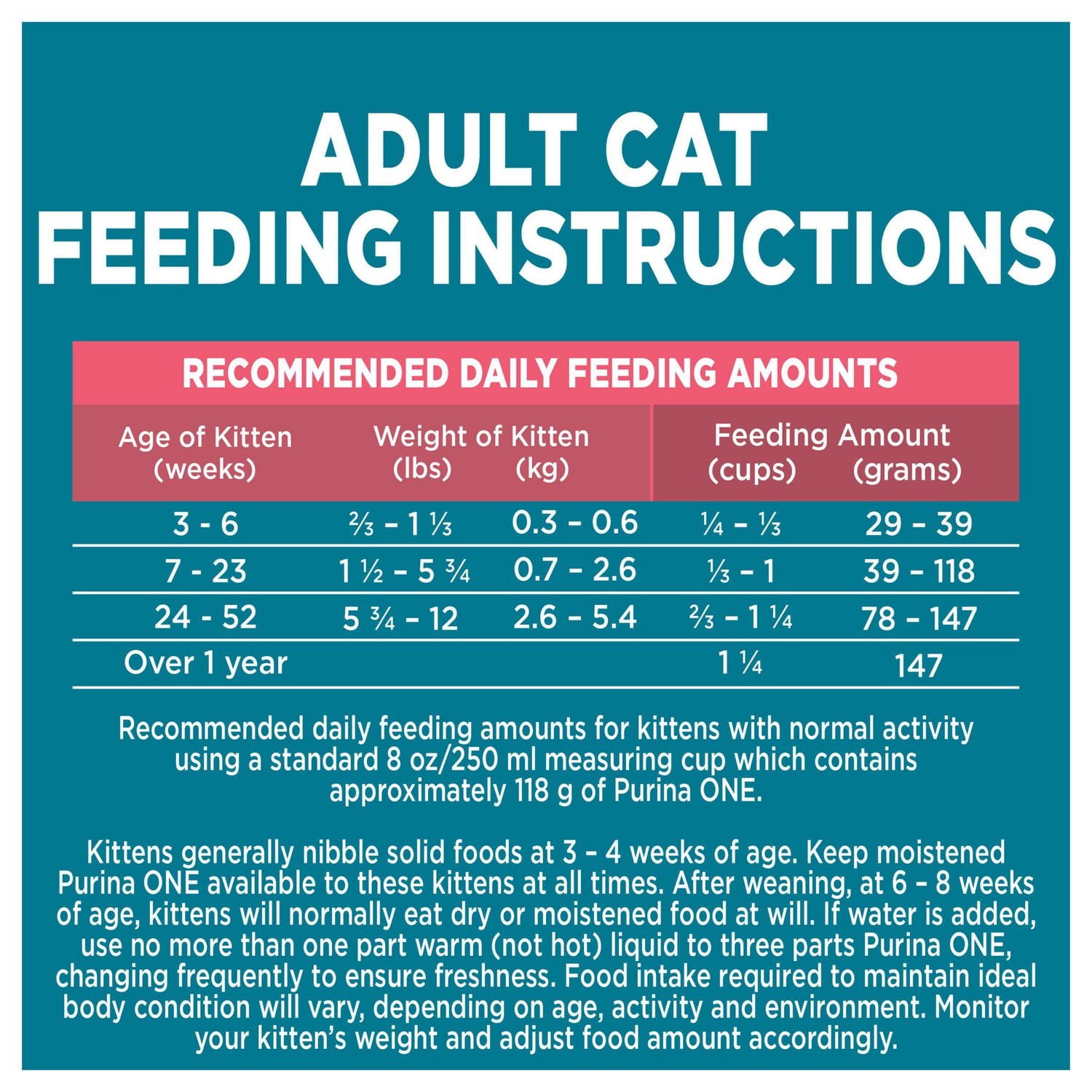
Credit: www.purina.com
Kitten Food Vs Adult Cat Food
Kitten food and adult cat food serve different purposes in a cat’s life. Kittens need extra nutrients to grow strong and healthy. Adult cats require balanced nutrition to maintain their health and energy. Understanding the differences helps choose the right food for your cat’s stage.
Nutritional Differences
Kitten food contains more vitamins and minerals than adult cat food. These nutrients support rapid growth and brain development. Adult cat food focuses on maintaining overall health and preventing weight gain. The formulas reflect these different needs clearly.
Calorie Content
Kitten food has higher calorie content to fuel energy and growth. Kittens burn more calories as they play and explore. Adult cat food has fewer calories to avoid obesity. This helps keep adult cats fit and active without overeating.
Protein And Fat Levels
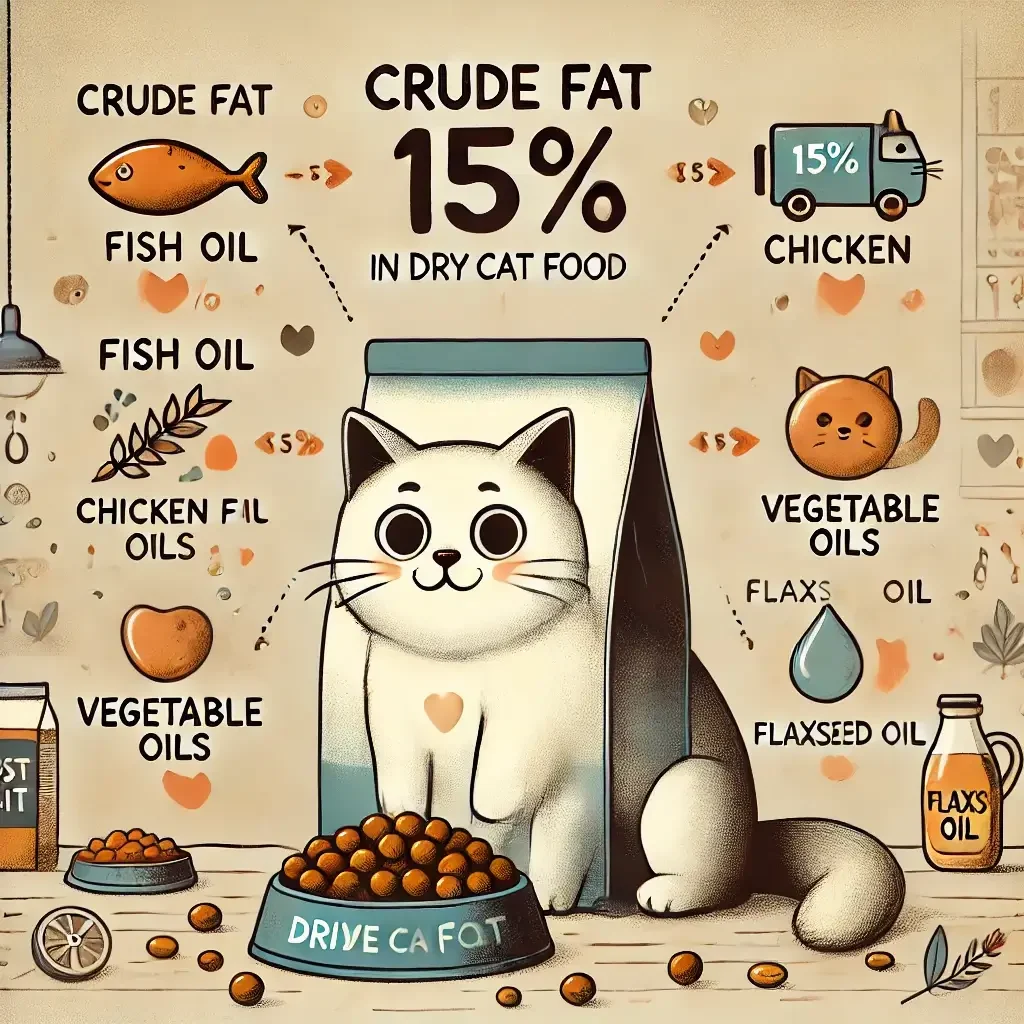
Kitten food has more protein and fat for muscle and brain growth. These nutrients are essential during the early months. Adult cat food has moderate protein and fat to support daily activity. The balance helps keep adult cats healthy and energetic.
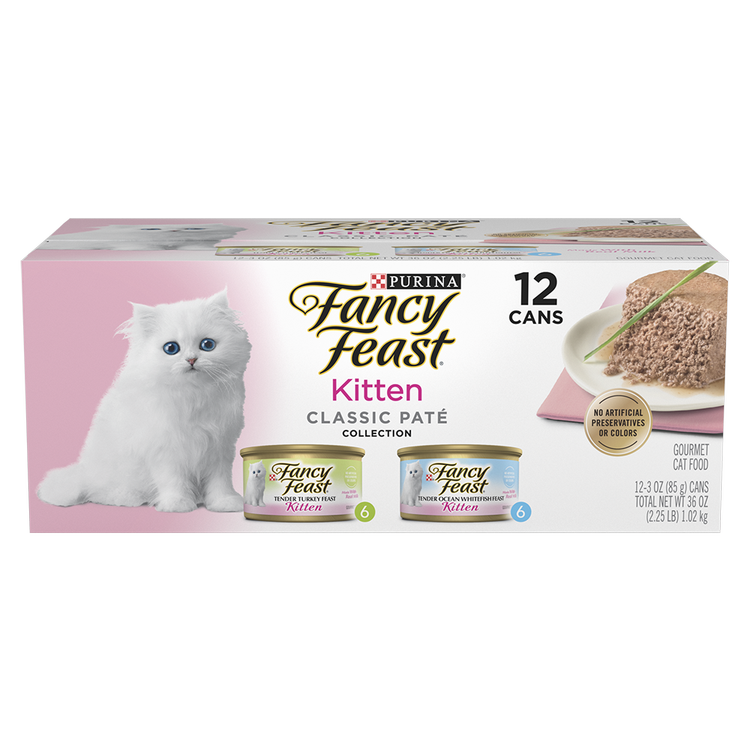
Credit: www.purina.com
Impact Of Kitten Food On Adult Cats
Feeding kitten food to adult cats can affect their health in several ways. Kitten food contains more calories and nutrients tailored for growing cats. Adult cats have different dietary needs than kittens. Understanding the impact of kitten food on adult cats helps pet owners make better choices.
Weight Gain Risks
Kitten food has higher calorie content than adult cat food. Adult cats eating kitten food regularly may gain excess weight. Overweight cats face risks like diabetes and joint problems. Portion control becomes harder with richer food. Feeding kitten food long-term can lead to obesity in adult cats.
Digestive Considerations
Kitten food is richer and harder to digest for some adult cats. It contains more protein and fat for growth needs. Adult cats may experience stomach upset or diarrhea. Their digestive system may not handle extra nutrients well. Switching foods gradually helps reduce digestive problems.
Long-term Health Effects
Feeding kitten food to adult cats long-term can cause nutrient imbalances. Excess calcium and phosphorus may harm kidneys. High protein levels strain the liver over time. Adult cats need balanced nutrition to stay healthy. Using adult cat food supports proper health and longevity.
When Kitten Food Might Be Suitable
While adult cats thrive on adult cat food, there are specific times when kitten food might be suitable. Kitten food is rich in calories and nutrients. It supports growth and energy. Some adult cats might benefit from this rich diet in certain situations.
Pregnant Or Nursing Cats
Pregnant or nursing cats have unique nutritional needs. Their bodies require extra energy to support kittens. Kitten food, with higher protein and fat, provides that energy. It ensures the mother cat remains healthy. This diet supports milk production for her kittens.
Senior Cats With Special Needs
Senior cats sometimes struggle with weight loss or muscle mass. Kitten food can help in these cases. It is calorie-dense and supports muscle maintenance. This makes it an option for seniors needing extra nutrition. Consult a vet before making changes to their diet.
Transitioning Between Foods
Switching your cat from kitten food to adult food requires care and attention. Abrupt changes can upset their stomach or cause them to refuse the new food. Taking time to transition smoothly helps maintain your cat’s health and keeps mealtime stress-free for both of you.
Signs To Look For
Watch for changes in your cat’s appetite, energy levels, and stool consistency during the transition. If your cat starts vomiting, has diarrhea, or seems lethargic, these are red flags. On the positive side, steady weight and bright eyes mean the new food is being tolerated well.
Gradual Diet Changes
Mix a small amount of adult cat food into the kitten food at first. Increase the adult food portion little by little over 7 to 10 days. This slow change helps your cat’s digestive system adjust without shock.
- Start with 75% kitten food and 25% adult food
- Shift to 50/50 after a few days
- Move to 25% kitten and 75% adult food
- Finally, switch to 100% adult food
Monitoring Your Cat’s Health
Keep a close eye on your cat’s behavior and bathroom habits during the switch. Note any unusual signs like vomiting, diarrhea, or refusal to eat. Regular vet checkups during this period can catch problems early and give you peace of mind.
Choosing The Right Cat Food
Choosing the right food for your cat is important for its health and happiness. Adult cats have different needs than kittens. Their food should match their age, activity, and health status. Feeding kitten food to an adult cat might cause nutritional imbalances. Understanding how to select the best food helps your cat stay strong and energetic.
Reading Labels
Check the label carefully to see what the food contains. Look for high protein content from animal sources. Avoid foods with too many fillers like corn or wheat. Make sure the food has enough fat and essential vitamins. The label should state if it is for adult cats. This ensures the food meets their nutritional needs.
Consulting A Veterinarian
A vet knows what your cat needs best. They can recommend foods based on your cat’s health. Discuss any allergies or health problems with the vet. They might suggest special diets for weight control or sensitive stomachs. Always ask before changing your cat’s diet to kitten food or others.
Considering Lifestyle And Activity Level
Active cats burn more calories and need more energy. Less active cats need fewer calories to avoid weight gain. Outdoor cats might need more nutrients than indoor cats. Age and health also affect how much food your cat needs. Adjust food portions and type based on how your cat lives.
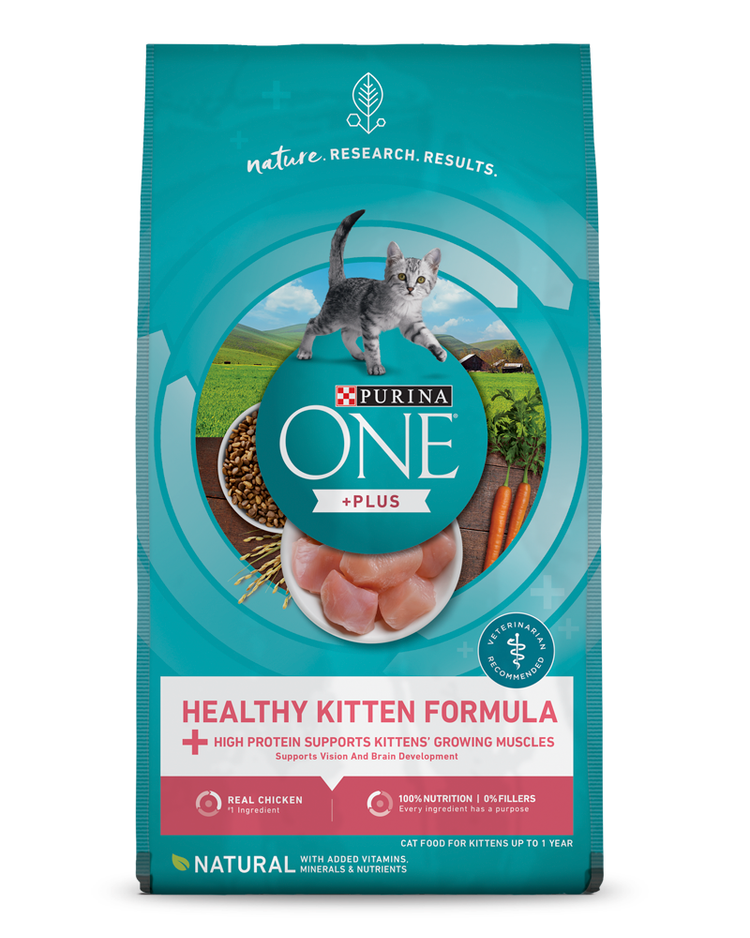
Credit: www.purina.com
Frequently Asked Questions
Can Adult Cats Eat Kitten Food Safely?
Yes, adult cats can eat kitten food occasionally. However, kitten food is richer in calories and nutrients, which may cause weight gain in adults if fed regularly. It’s best to provide adult cats with food formulated specifically for their nutritional needs.
What Happens If Adult Cats Eat Only Kitten Food?
Feeding adult cats only kitten food can lead to excessive calorie intake and obesity. Kitten food has higher protein and fat levels, which may cause digestive issues over time. For optimal health, switch to adult cat food after the kitten stage.
Is Kitten Food Better For Adult Cats’ Health?
Kitten food is not better for adult cats. It contains more calories and nutrients designed for growth. Adult cats require balanced nutrition for maintenance, so feeding them adult cat food supports their health and weight management better.
Can Feeding Kitten Food To Adults Cause Health Issues?
Yes, prolonged feeding of kitten food to adult cats may cause obesity and digestive problems. High calorie and fat content can strain their organs. Always consult a vet before changing your cat’s diet to ensure their health.
Conclusion
Feeding kitten food to an adult cat is not ideal for long-term health. Kitten food has extra nutrients meant for growth. Adult cats need balanced food to stay healthy and active. Sometimes, a small amount is okay, but not every day.
Always choose food designed for your cat’s age. Proper nutrition helps your cat live a happy life. Watch your cat’s weight and energy levels closely. Consult your vet for the best diet advice. Careful feeding keeps your cat strong and healthy.
Simple choices make a big difference.

Leave a Reply