Are you wondering if it’s the right time to switch your cat to adult food at 11 months? Making this change can feel tricky because you want the best for your furry friend’s health and growth.
Feeding your cat the wrong food could affect their energy, digestion, and overall happiness. Keep reading to discover exactly when and how to make this important transition smoothly, so your cat stays healthy and full of life.
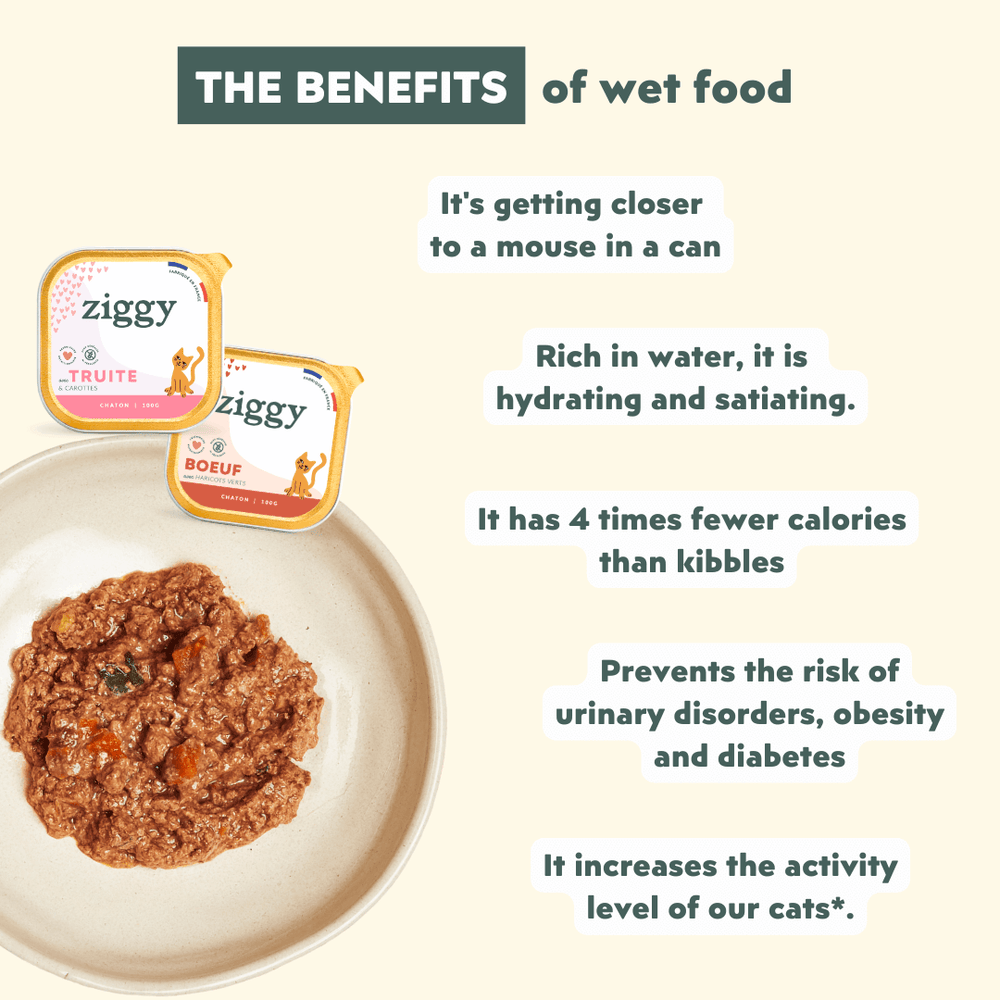
Credit: ziggyfamily.com
When To Switch Cat Food
Knowing when to switch your cat from kitten food to adult food is key to supporting their health and growth. Feeding the right type of food at the right time ensures they get the nutrients they need without overfeeding or missing essential vitamins. But how do you figure out the right moment to make this change? Let’s break down the important signs and differences to help you decide.
Kitten Vs Adult Food
Kitten food is specially designed to support rapid growth and development. It contains higher protein, fat, and calorie levels than adult food. This extra nutrition helps your kitten build strong muscles and a healthy immune system.
Adult food, on the other hand, has balanced nutrition to maintain your cat’s health once they reach maturity. It usually has fewer calories to prevent weight gain and ingredients tailored for long-term wellness. Feeding adult food too early might leave your cat undernourished during critical growth phases.
Growth Milestones
Most cats reach physical maturity around 12 months, but growth varies by breed and individual. Larger breeds, like Maine Coons, may keep growing up to 18 months. Smaller breeds often slow down earlier, around 10 to 12 months.
Keep an eye on your cat’s size, weight, and energy levels. If your cat seems less active or stops gaining weight consistently, it might be nearing adulthood. These milestones help you time the switch appropriately instead of guessing.
Signs Your Cat Is Ready
Look for changes in behavior and appetite. Is your cat eating less kitten food or showing less interest? This can mean their growth rate is slowing. Also, check their body condition—if they look lean and muscular rather than pudgy, their growth phase may be ending.
Your vet’s advice is invaluable here. They can assess your cat’s health and recommend the best time to switch. Have you noticed any changes in your cat that make you wonder if it’s time to change their food? Paying attention to these signs helps you avoid nutritional gaps or excesses.
Nutritional Needs At 11 Months
At 11 months old, your cat is nearing adulthood but still growing and developing. Their nutritional needs start to shift from kitten formulas to adult food, but this transition requires careful attention. Understanding what your cat truly needs at this stage can help you decide if adult food is right for them now.
Protein And Fat Requirements
Protein is crucial for your cat’s muscle development and energy. At 11 months, your cat still needs higher protein levels than a fully grown adult. Look for foods with at least 30-35% protein to support their active lifestyle.
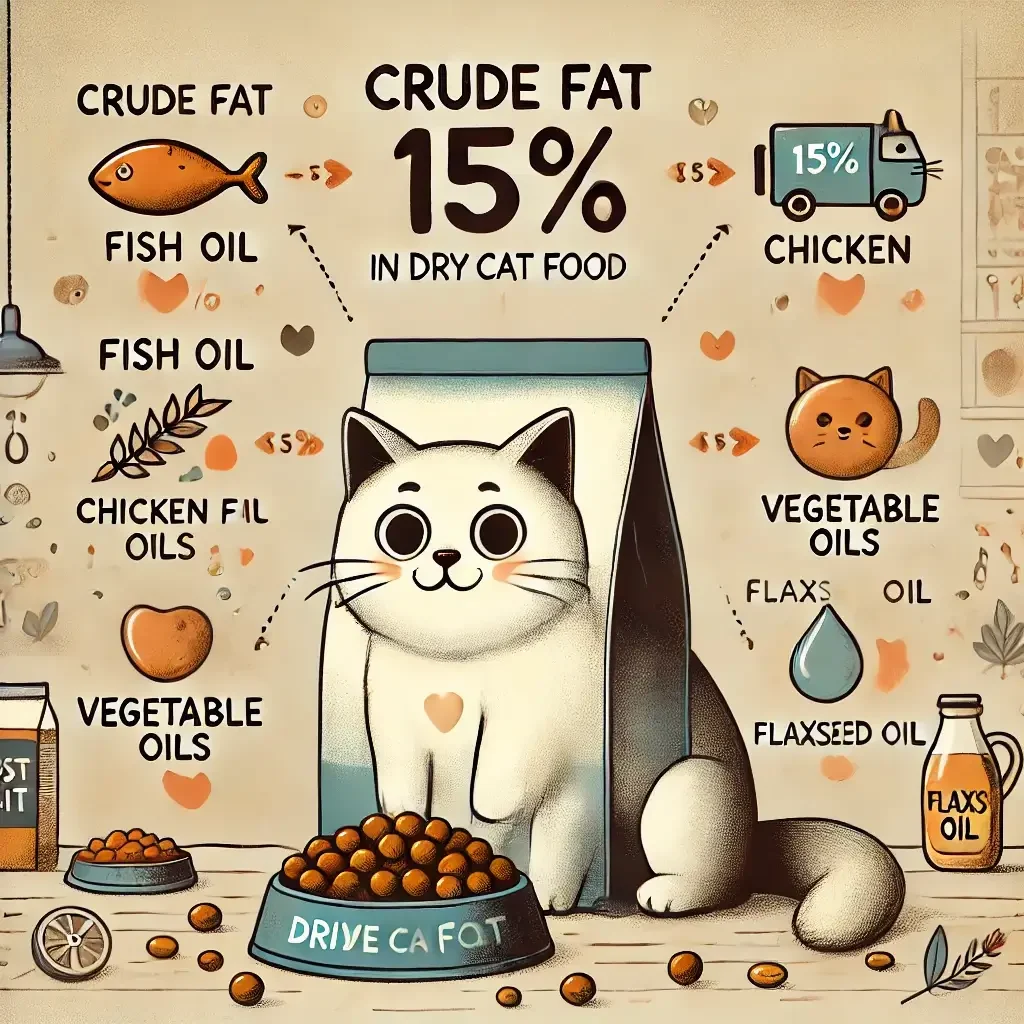
Fat provides essential energy and helps maintain a healthy coat. Your cat’s diet should include around 15-20% fat. Too little fat can leave your cat feeling tired, while too much may cause weight gain.
Essential Vitamins And Minerals
Vitamins like A, D, and E support vision, bone health, and immune function. Minerals such as calcium and phosphorus are vital for strong bones and teeth. At 11 months, your cat’s diet must balance these nutrients carefully to avoid deficiencies or imbalances.
Have you checked the ingredient list on your cat’s food lately? Some adult foods might lack the right amount of these vitamins and minerals for a nearly grown cat.
Calorie Intake
Your cat’s calorie needs start to stabilize around 11 months but can vary based on activity and size. On average, a cat this age needs about 200-250 calories per day. Overfeeding can lead to obesity, while underfeeding can stunt growth.
Tracking your cat’s weight and energy levels helps you adjust portions. Are you measuring the food or just eyeballing it? Precise feeding can make a significant difference in your cat’s health.
Benefits Of Adult Cat Food
Switching your cat to adult food around 11 months can bring several benefits that support their overall health. Adult cat food is specially designed to meet the nutritional needs of cats beyond their kitten stage. It helps maintain their energy, supports bodily functions, and keeps them feeling their best as they grow into adulthood.
Improved Digestion
Adult cat food often contains the right balance of fiber and nutrients to promote healthy digestion. This helps reduce common issues like constipation or upset stomachs that some cats face as they age. Have you noticed your cat’s digestion improving after switching to adult food? It’s a sign their body is adapting well to the new diet.
Weight Management
Adult formulas usually have controlled calorie levels to prevent your cat from gaining excess weight. Overfeeding a growing cat can lead to obesity, which affects their energy and overall health. By feeding adult food, you can better manage their weight and keep them active and lean.
Dental Health Support
Many adult cat foods include ingredients that help reduce plaque and tartar buildup. This supports your cat’s dental health, reducing the risk of gum disease and bad breath. Have you ever checked your cat’s teeth after switching their food? You might be surprised at the improvement in their oral hygiene.
Risks Of Early Transition
Feeding adult cat food too early can cause nutrition gaps and digestive issues. Cats may miss key nutrients needed for growth. Careful timing helps ensure healthy development.
The transition from kitten food to adult cat food is a significant milestone. Feeding your cat adult food at 11 months comes with its risks. It might seem early, and there are several reasons why this transition should be approached with caution.Nutritional Deficiencies
Kittens need more nutrients for growth and development. Adult cat food lacks these essential nutrients. Feeding it too early may lead to deficiencies. This can affect their growth and overall health. Kittens need higher protein levels found in kitten food. Calcium and other minerals are crucial for bone development. Adult food does not provide these in sufficient amounts.Digestive Issues
Digestive systems in kittens are still developing. Adult food can be harder to digest. It might cause stomach upset or diarrhea. Kittens need easy-to-digest food. Their bodies are not ready for the fiber content in adult food. This can lead to bloating and discomfort.Behavioral Changes
Diet affects a kitten’s behavior. Inadequate nutrition may cause lethargy or irritability. Kittens might become less playful or active. They could also show signs of hunger more often. This is due to the lack of satisfying nutrients. Proper nutrition supports healthy behavior in growing kittens.How To Transition Smoothly
Transitioning your cat from kitten food to adult food requires patience and attention. A smooth change helps avoid digestive issues and ensures your cat accepts the new diet without stress. Understanding how to do this step-by-step makes the process easier for both you and your furry friend.
Gradual Mixing Techniques
Start by mixing a small amount of adult food into your cat’s current kitten food. A good rule is to begin with about 25% adult food and 75% kitten food. Gradually increase the adult food portion over 7 to 10 days until you’re feeding only adult food.
This slow change helps your cat’s digestive system adjust. It also gives your cat time to get used to the new taste and texture. Have you noticed your cat’s preferences when switching foods before? This can guide how slowly you proceed.
Monitoring Your Cat’s Reaction
Watch for any signs of discomfort or digestive upset during the transition. Common issues include vomiting, diarrhea, or changes in appetite. If your cat shows these signs, slow down the transition or consult your vet.
Keep a close eye on their energy levels and litter box habits. Your cat’s behavior can tell you a lot about how well they’re adjusting. What changes do you notice that might indicate they’re struggling with the new food?
Adjusting Portions
Once your cat fully accepts the adult food, adjust the portion sizes to meet their nutritional needs. Adult cats usually need fewer calories than kittens because they are less active and growing slower. Check the feeding guidelines on the food package and consider your cat’s weight and activity level.
Don’t hesitate to tweak portions if your cat gains or loses weight unexpectedly. Feeding the right amount helps maintain a healthy weight and prevents future health problems. How do you currently measure your cat’s food? Using a measuring cup can make a big difference.
Credit: www.petmd.com
Expert Recommendations
Getting expert recommendations can make a big difference when deciding if your 11-month-old cat should start eating adult food. Experts offer insights based on health, growth, and nutritional needs, helping you make the best choice for your furry friend.
Veterinarian Advice
Most veterinarians suggest switching to adult cat food around the one-year mark, but some say you can start the transition a bit earlier if your cat is growing well. Your cat’s breed and size also matter—larger breeds may need kitten food longer to support their growth.
Ask your vet about your cat’s specific needs. They might recommend a gradual change over a week or two to avoid digestive upset. Have you noticed any changes in your cat’s energy or appetite? Sharing that info will help your vet guide you better.
Popular Adult Cat Food Options
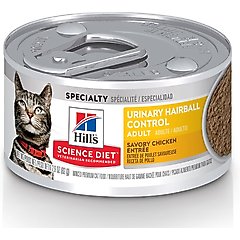
Choosing the right adult cat food is easier when you know what’s reliable and well-loved. Brands like Hill’s Science Diet, Royal Canin, and Blue Buffalo offer formulas tailored to adult cats’ needs.
- Hill’s Science Diet Adult:Balanced nutrition with high-quality protein.
- Royal Canin Feline Health Nutrition:Focuses on digestive health and immune support.
- Blue Buffalo Life Protection Formula:Natural ingredients with added vitamins and minerals.
Look for foods that list meat as the first ingredient and avoid fillers like corn or soy. Have you checked your cat’s label lately? The ingredients tell a lot about the food’s quality.
When To Consult A Professional
If your cat shows signs of digestive issues, weight loss, or unusual behavior during the food transition, it’s time to get professional advice. These can indicate that the current diet isn’t meeting their needs.
Also, if you’re unsure about the best adult food or how fast to switch, a consultation can save you from costly mistakes. How confident do you feel about your cat’s nutrition plan? Sometimes, a quick chat with a vet makes all the difference.

Credit: ziggyfamily.com
Frequently Asked Questions
When Can I Switch My Cat To Adult Food?
You can switch your cat to adult food around 11 to 12 months. This timing supports their growth and energy needs effectively.
Is Adult Cat Food Suitable For An 11-month-old?
Yes, adult cat food is suitable at 11 months. It provides balanced nutrition for cats transitioning from kittenhood.
What Are Signs My Cat Needs Adult Food?
Signs include slower growth, reduced energy, and changes in appetite. These indicate readiness for adult food’s nutrient profile.
Can Feeding Adult Food Early Harm My Cat?
Feeding adult food too early may lack kitten-specific nutrients. Wait until about 11 months for a safe transition.
Conclusion
Feeding your cat adult food at 11 months is usually fine. Cats grow fast and need good nutrition. Adult food supports their health as they mature. Watch your cat’s weight and energy to see if changes help. Always ask a vet if unsure about diet changes.
Feeding the right food keeps your cat happy and strong. Simple steps make a big difference in your cat’s life. Trust your care and attention for the best results.

Leave a Reply