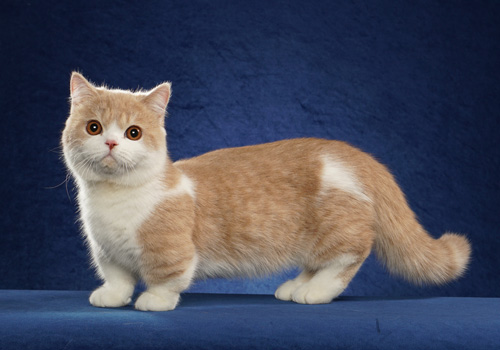
Are you curious about what makes a Munchkin cat so unique? If you’ve ever seen those adorable little cats with their short legs and big personalities, you might be wondering where they come from.
Understanding what breeds make a Munchkin cat can help you appreciate this charming feline even more. You’ll discover the special mix of genes and breeds behind the Munchkin’s distinctive look. Keep reading to find out what makes these cats truly one of a kind—and why they might be the perfect pet for you.
Origins Of Munchkin Cats
The origins of Munchkin cats trace back to a unique genetic mutation that results in their short legs. These cats caught the attention of many for their distinct appearance and playful nature. Understanding where Munchkin cats come from helps appreciate their special traits better.
Genetic Mutation Behind Short Legs
Munchkin cats have a natural mutation in their genes. This mutation affects the bones in their legs, causing them to be shorter than usual. It is a form of dwarfism called achondroplasia. The short legs do not affect their health or agility. This mutation is rare and passed down from parent cats to their kittens.
First Known Munchkin Cats
The first recorded Munchkin cat appeared in the early 1990s. A cat named “Munchkin” was found in Louisiana, USA. She was the first to have short legs documented by a veterinarian. This discovery led to interest in breeding and studying these cats. The name “Munchkin” comes from the small characters in the Wizard of Oz story.
Early Breeding Efforts
Breeders began to carefully mate Munchkin cats to preserve their unique traits. They worked to keep the short legs and friendly personality. Early breeding focused on health and temperament. Breeders avoided mating two short-legged cats to prevent health problems. Crossbreeding with normal-legged cats helped maintain strong and healthy kittens.
Key Breeds In Munchkin Lineage
The Munchkin cat is famous for its short legs and playful nature. This unique trait comes from specific breeds that shape the Munchkin’s lineage. Understanding these key breeds helps explain the cat’s distinctive appearance and behavior.
The Munchkin breed started with natural mutations, then breeders carefully selected traits. Crossbreeds also play a role in expanding the variety of Munchkin cats seen today. Each breed in the Munchkin lineage adds something special to the mix.
Standard Munchkin Breed
The Standard Munchkin breed is the core of the Munchkin cat family. It features short legs caused by a genetic mutation. This breed is small to medium in size with a playful, friendly personality.
Coats come in many colors and patterns. Their bodies are well-proportioned despite the short legs. The breed is known for being active and social.
Crossbreeds Involving Munchkins
Crossbreeding Munchkins with other cats creates new mixes. This practice maintains the short-legged trait while adding variety. Common crosses include pairing with domestic shorthairs or longhairs.
Crossbreeds often inherit traits like coat length and color from the other parent. These mixes can have different looks but keep the Munchkin’s charming nature. Breeders aim for healthy cats with balanced features.
Popular Munchkin Mixes
- Munchkin + Persian:Combines short legs with a fluffy coat and round face.
- Munchkin + Siamese:Adds striking color points and blue eyes to the short legs.
- Munchkin + Bengal:Brings wild spotted patterns to the playful Munchkin form.
These popular mixes show how the Munchkin’s traits blend with other breeds. They offer a range of looks and personalities while keeping the cute, short-legged charm.
Traits Passed From Ancestral Breeds
Munchkin cats are unique due to their short legs. This trait comes from specific ancestral breeds. The mix of these breeds gives them distinct characteristics. These traits influence their appearance, behavior, and health.
Physical Characteristics
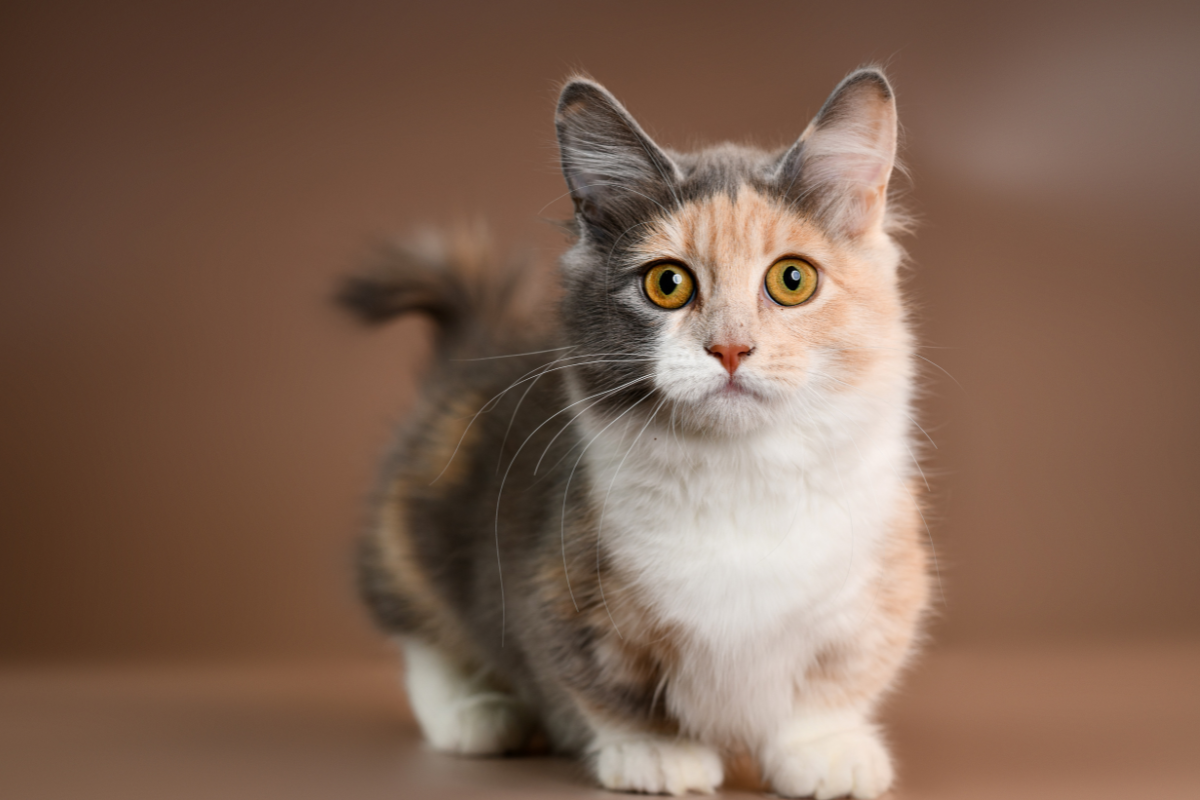
Munchkin cats are known for their short legs. This feature is from a genetic mutation. Despite their short stature, they have a well-proportioned body. Their coat can be long or short, with various colors and patterns. Their eyes are often large and round, giving them a cute appearance.
Temperament And Personality
Munchkin cats are playful and affectionate. Their ancestral breeds contribute to their friendly nature. They enjoy social interactions with people and other pets. These cats are curious and love exploring their surroundings. Despite their small size, they are lively and energetic.
Health Considerations
Munchkin cats may have some health concerns. Short legs can lead to spinal issues. Regular vet check-ups are essential for their well-being. Monitoring their diet helps prevent obesity. With proper care, they can lead healthy lives. Understanding their health needs is important for owners.

Credit: petcareshed.com.au
Breeding Practices And Ethics
The breeding practices and ethics behind Munchkin cats raise important questions. These cats have short legs due to a genetic mutation. Breeders must balance the desire for unique looks with the health of the cats. Ethical breeding means careful selection and care to avoid health problems. Understanding these practices helps buyers and cat lovers support responsible breeders.
Selective Breeding Challenges
Selective breeding for short legs is tricky. The gene causing short legs can also cause spine problems. Breeders must avoid pairing two Munchkins with the gene to reduce risks. Finding healthy cats with good temperaments is not easy. It takes time and knowledge to breed safely. Breeders must check health and genetics before mating cats.
Controversies Surrounding Munchkins
Munchkin cats face criticism because of health concerns. Some say breeding for short legs causes pain or mobility issues. Animal groups worry about the cats’ quality of life. Others argue that many Munchkins live happy and healthy lives. The debate continues, making it vital to focus on care and ethics. Buyers should research breeders and health history carefully.
Responsible Breeding Guidelines
- Breed only healthy cats without severe genetic issues
- Perform health screenings for spine and joint problems
- Avoid mating two Munchkins to reduce health risks
- Maintain good living conditions and socialization for kittens
- Provide full health records to potential owners
- Work with veterinarians to ensure cat welfare
Following these guidelines supports healthier Munchkin cats. Responsible breeders prioritize the cats’ wellbeing over appearance. This approach helps maintain the breed’s future and trust with buyers.
Munchkin Cat Popularity And Future
The Munchkin cat is gaining attention worldwide. Its unique short legs and playful nature attract many cat lovers. This breed’s popularity shows no signs of fading. People enjoy their friendly and curious personality. The future of Munchkin cats looks bright, with ongoing interest in breeding and showing them.
Growing Fan Base
More people are adopting Munchkin cats every year. Social media helps spread their charm and cuteness. Videos of Munchkins playing and exploring gather millions of views. Families appreciate their gentle and social behavior. The breed suits apartment living due to its small size. This growing fan base fuels demand in pet stores and shelters.
Impact On Cat Breeding Community
Breeders now focus more on Munchkin cats. They work to improve health and maintain breed standards. Some breeders mix Munchkin traits with other breeds carefully. This creates new varieties while keeping the short-leg feature. The community debates ethical breeding to avoid health problems. Responsible breeders follow strict guidelines to protect the cats.
Future Breeding Trends
Future breeding aims to balance appearance and health. Genetics play a key role in selecting parent cats. Breeders want to reduce risks linked to short legs. Crossbreeding with other breeds may increase. This can enhance traits like coat color and personality. Advances in veterinary science support safer breeding practices. The Munchkin cat’s future includes diverse looks and happy, healthy pets.
Credit: paradepets.com

Credit: purebredkitties.com
Frequently Asked Questions
What Breeds Are Combined To Create A Munchkin Cat?
Munchkin cats originate from a natural mutation in domestic cats. They are not a mix of specific breeds but a unique breed known for short legs caused by a genetic mutation.
Are Munchkin Cats Bred With Other Cat Breeds?
Yes, Munchkins are sometimes crossed with breeds like Siamese or Persian to add new traits while keeping their short legs. However, pure Munchkin breeding focuses on maintaining their distinctive short-legged appearance.
Do Munchkin Cats Have A Specific Breed Lineage?
Munchkin cats do not have a traditional lineage. They descend from a spontaneous genetic mutation, making them distinct from other breeds with more established ancestry.
What Traits Come From Breeds Mixed With Munchkin Cats?
When mixed, Munchkin cats may inherit coat colors, patterns, and personalities from other breeds, but their short legs remain the defining trait.
Conclusion
Munchkin cats have unique traits from specific breeds. Their short legs come from a genetic mutation. Breeds like the Munchkin, American Shorthair, and others play a role. These cats are playful, friendly, and easy to care for. Knowing their breed background helps you understand their behavior.
They make great pets for many families. Each breed adds something special to the Munchkin mix. Enjoy learning about these charming little cats!

Leave a Reply