Are you wondering how long your cat can safely be part of the breeding process? If you want to ensure your cat stays healthy and happy, knowing the right breeding timeline is crucial.
Breeding your cat without understanding the limits can lead to serious health risks for both your pet and her kittens. You’ll discover clear, easy-to-follow advice on how to breed your cat safely. Keep reading to protect your furry friend and make the best choices for her well-being.

Credit: www.reddit.com
Cat Breeding Basics
Understanding the basics of cat breeding is essential for any breeder or cat lover. It helps ensure the health and safety of both the mother and her kittens. Breeding requires careful timing and attention to the cat’s condition. Knowing when a cat can safely breed reduces risks and promotes strong, healthy offspring.
Breeding Age Range
Cats usually reach breeding age between 5 and 12 months. It is best to wait until the cat is at least one year old. Younger cats may face health problems during pregnancy. Most breeders stop breeding cats after they are around 8 years old. Older cats have higher risks in pregnancy and delivery.
Signs Of Fertility
Female cats show clear signs when they are ready to breed. They often become more vocal and affectionate. The cat may assume a mating posture called lordosis. Swelling and redness of the vulva is common. These signs usually last for a few days during each heat cycle.
Breed-specific Considerations
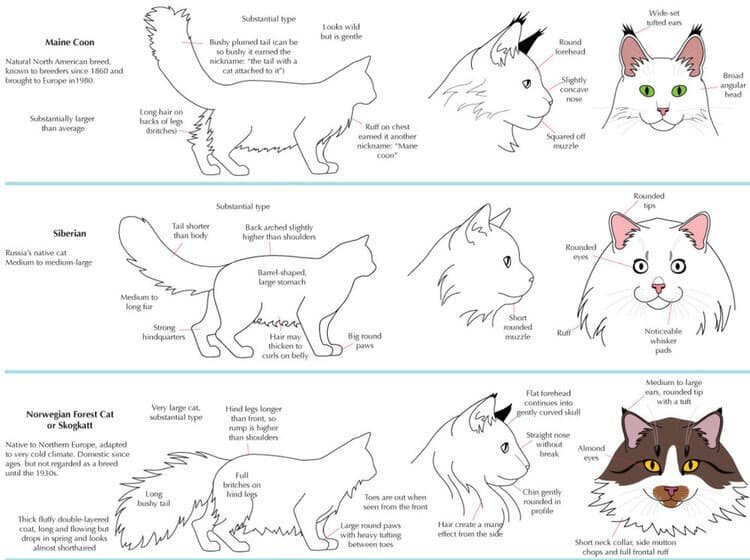
Different cat breeds have unique breeding needs. Large breeds like Maine Coons mature slower than smaller breeds. Some breeds have genetic health issues to watch for. Breeders should learn about their specific breed’s traits. This helps avoid complications and ensures healthier kittens.

Credit: dremmanuelfontaine.com
Health Factors For Breeding Cats
Understanding the health factors for breeding cats is crucial to ensure both the mother and kittens thrive. Breeding can put a strain on a cat’s body, so it’s vital to prepare and care for her properly. Knowing what to check and how to maintain her health will help you make informed decisions and keep your cats safe.
Pre-breeding Health Checks
Before breeding, your cat should have a thorough health examination by a veterinarian. This includes checking for common infections, parasites, and overall physical condition. Identifying any health issues early can prevent complications during pregnancy and delivery.
Vaccinations should be up to date to protect both the mother and her future kittens. Also, consider a dental check, as oral health can impact overall well-being. Have you ever overlooked a simple health check that later caused problems? Don’t let that happen with your breeding cats.
Genetic Screening
Genetic screening helps identify inherited diseases that could affect the kittens or the mother. Many cat breeds have specific genetic disorders, so testing is essential for responsible breeding. It reduces the risk of passing on serious health problems to the next generation.
Tests can include screening for conditions like hypertrophic cardiomyopathy or polycystic kidney disease. Using genetic information, you can select breeding pairs that complement each other’s health profiles. This approach not only improves kitten quality but also supports the long-term health of the breed.
Nutrition And Care
Proper nutrition is the foundation of a healthy breeding cat. Your cat’s diet must be rich in proteins, vitamins, and minerals to support pregnancy and nursing. Poor nutrition can lead to weak kittens or complications during birth.
During pregnancy, increase her food intake gradually and provide fresh water at all times. Regular gentle exercise and a stress-free environment also play a big role in her well-being. Have you noticed how a small change in diet can significantly affect your cat’s energy and health?
Optimal Breeding Timeline
Understanding the optimal breeding timeline helps keep cats healthy and happy. Breeding too often can harm a cat’s health. Planning the right frequency and rest periods is essential. This ensures strong kittens and a healthy mother. It also supports the cat’s reproductive lifespan.
Ideal Breeding Frequency
A female cat should not breed every heat cycle. Breeding every year or once every 12-18 months is safer. This allows the cat to recover fully between pregnancies. Frequent breeding can cause health problems and stress. Quality over quantity matters for healthy litters.
Rest Periods Between Litters
Rest is vital between litters. A break of at least six months helps the cat regain strength. Rest periods reduce risks of complications during pregnancy. They also improve the mother’s ability to care for kittens. Avoid back-to-back litters to protect long-term health.
Lifespan And Reproductive Health
Cats can breed safely from about one year old until eight years. Reproductive health declines after this age. Older cats face higher risks during pregnancy and birth. Monitoring health and regular vet checks support safe breeding. Stop breeding if health issues arise to ensure wellbeing.

Credit: showcatsonline.com
Risks Of Extended Breeding
Breeding cats over a long period can cause serious problems. Extended breeding puts stress on a cat’s body and mind. It raises the chance of health issues and lowers the quality of life. Understanding these risks helps keep your cat safe and healthy.
Health Complications
Repeated pregnancies weaken a cat’s body. It can cause anemia, infections, and poor nutrition. The risk of uterine infections grows with each litter. Joint pain and muscle weakness may develop. These issues reduce a cat’s lifespan and happiness.
Decreased Fertility
Older cats or those bred too often may struggle to get pregnant. The number of healthy eggs drops. Litters become smaller and weaker. Sometimes, cats stop cycling altogether. This loss of fertility signals the need to stop breeding.
Behavioral Changes
Extended breeding affects a cat’s mood and habits. Cats may become more aggressive or withdrawn. Stress and discomfort cause irritability. They might avoid people or hide more. Such changes show a cat needs rest and care.
Ethical Breeding Practices
Ethical breeding practices ensure the health and happiness of cats. Breeding should prioritize the welfare of both parent cats and kittens. It should focus on maintaining healthy genetics and responsible pet population management.
Responsible Breeder Guidelines
Responsible breeders follow strict guidelines to ensure cat health. They screen cats for genetic diseases before breeding. They maintain clean and safe environments for all cats. Breeders also provide cats with proper nutrition and veterinary care. They are transparent with potential owners about kitten care needs.
Avoiding Overbreeding
Overbreeding can harm both cats and kittens. It leads to health problems and stress. Ethical breeders limit the number of litters a female cat has. They allow enough time for recovery between litters. This practice helps maintain the cat’s health and vitality.
Ensuring Kitten Welfare
Kittens need a nurturing environment to thrive. Breeders should ensure kittens are socialized and healthy. They should receive vaccinations and regular health check-ups. Ethical breeders prepare kittens for their new homes, ensuring a smooth transition. They also educate new owners on proper kitten care.
Signs To Stop Breeding
Knowing when to stop breeding a cat is key for its health and happiness. Signs to stop breeding help avoid risks to the cat’s body and mind. These signs include age limits, health issues, and changes in behavior. Recognizing these signs early keeps the cat safe and cared for.
Age-related Factors
Cats have a safe breeding age range. Usually, female cats can breed from about one year old up to five or six years. After this, risks rise for both mother and kittens. Older cats may have trouble carrying pregnancy or giving birth. Stopping breeding after this age helps protect their health.
Health Warning Signs
Watch for health problems that mean breeding should stop. These include:
- Weight loss or poor body condition
- Recurring infections or illnesses
- Difficulty walking or moving
- Breathing problems or coughing
- Irregular heat cycles or no cycles at all
These signs show the cat’s body is struggling. Breeding in this state can cause serious harm.
Behavioral Indicators
Behavior changes often signal a cat is ready to stop breeding. Signs include:
- Increased aggression or irritability
- Loss of interest in mating or kittens
- Excessive hiding or avoidance
- Changes in eating or grooming habits
These behaviors may mean the cat feels stressed or unwell. Respecting these signs avoids further harm.
Frequently Asked Questions
How Long Can A Cat Breed Safely?
Cats can breed safely from about 1 year to 7 years old. Breeding beyond 7 years increases health risks for mother and kittens. Responsible breeders avoid breeding cats too young or too old to ensure health and vitality.
When Is The Best Age For Cat Breeding?
The best age to breed a cat is between 1 and 5 years. At this stage, cats are mature and healthy, reducing complications. Breeding too early or too late can harm the cat’s well-being and kitten development.
How Many Litters Should A Cat Have Safely?
A cat should ideally have 2 to 3 litters in her lifetime. More litters can strain her health and reduce lifespan. Proper rest between pregnancies is essential for recovery and kitten quality.
What Health Checks Are Needed Before Breeding Cats?
Before breeding, cats need a full health check, including vaccinations and genetic tests. This prevents passing diseases or hereditary conditions to kittens. Consulting a vet ensures the cat is fit for safe breeding.
Conclusion
Cat breeding requires care and attention to keep cats healthy. Breeding too often can harm a cat’s body and reduce her lifespan. It is best to breed cats only when they are strong and mature. Rest periods between litters help cats recover well.
Always watch for signs of stress or illness. Responsible breeding keeps cats happy and safe. Remember, healthy cats make better mothers. Taking time to learn and follow breeding guidelines is important. This way, cats can live longer and enjoy a good quality of life.

Leave a Reply