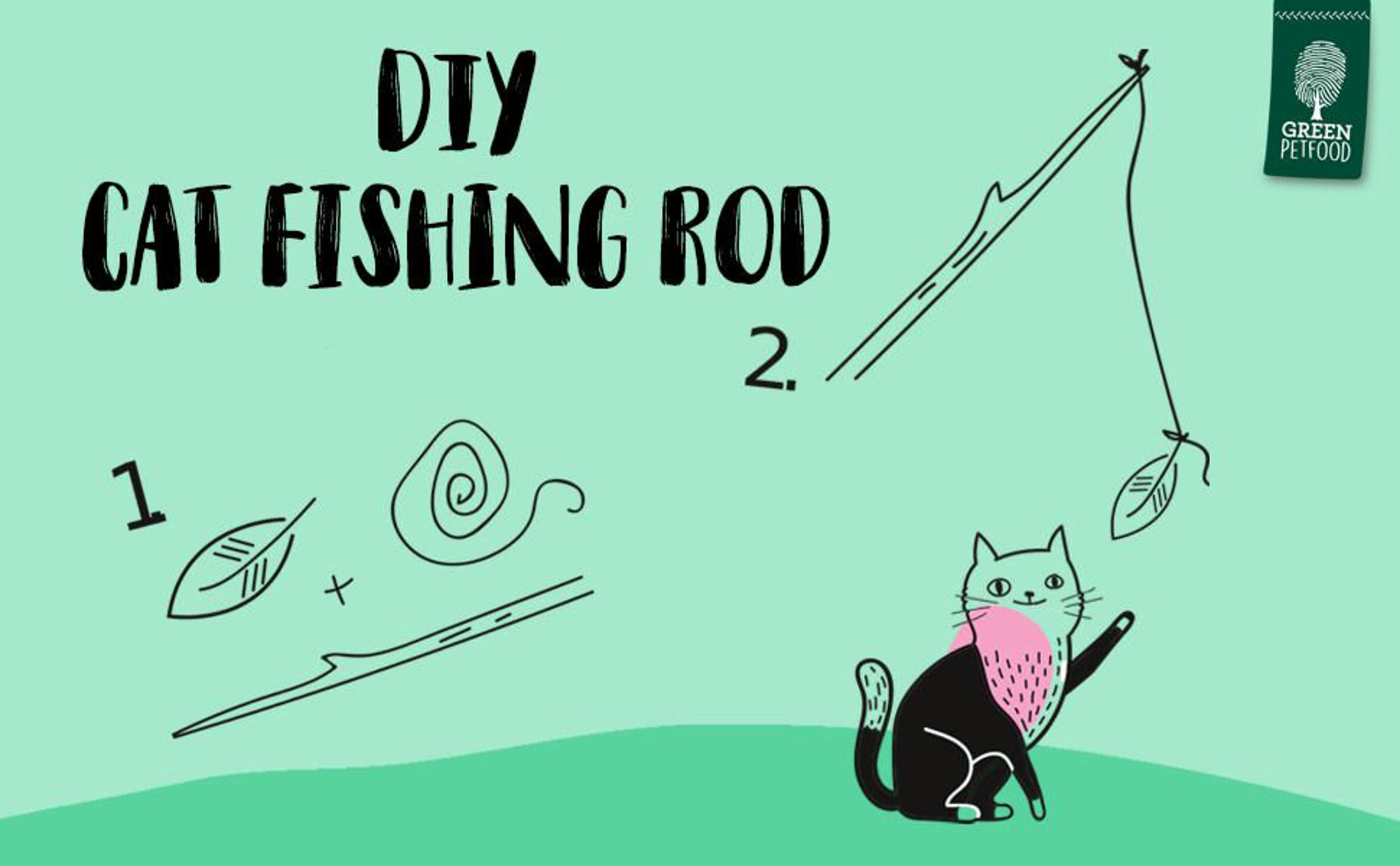
Looking for a fun and simple way to keep your cat entertained? Making a fishing pole cat toy is easier than you think—and your furry friend will love it!
Imagine watching your cat leap, pounce, and play with a toy you made yourself. In this guide, you’ll discover step-by-step how to create a safe, engaging fishing pole toy that will keep your cat busy for hours. Ready to bring more joy and exercise into your cat’s life?
Let’s get started!

Credit: www.youtube.com
Materials Needed
Gathering the right materials is key to crafting a fishing pole cat toy that both you and your feline friend will enjoy. The quality of each component affects how durable and fun the toy becomes. Let’s break down what you’ll need to bring your idea to life.
Choosing The Right Stick
Your fishing pole’s stick is the foundation. Look for a stick that is lightweight yet sturdy enough to handle playful tugs. Bamboo skewers, wooden dowels, or even a smooth tree branch work well.
Think about length too—around 18 to 24 inches gives you enough reach without being cumbersome. Avoid sticks with sharp edges or splinters to keep your cat safe.
Selecting String And Attachments
The string connects your stick to the toy, so it needs to be strong and flexible. Nylon string or thin twine often holds up well under playful bites and pulls.
Consider how the string attaches to the stick. Tying it securely with a knot or using a small eye hook can prevent it from coming loose. You want a setup that lasts through many play sessions.
Toy Options For Cats
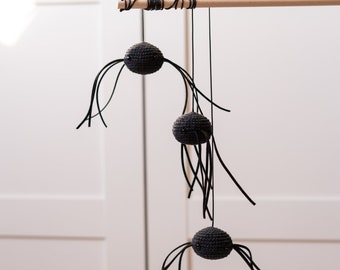
What will dangle at the end of your fishing pole? Feathers, bells, small plush toys, or crinkly balls are all great choices. Cats love movement and sound, so pick something that will catch their attention instantly.
Try swapping different attachments to see what excites your cat the most. This keeps playtime fresh and helps you discover your cat’s favorite type of toy.
Credit: www.etsy.com
Step-by-step Construction
Creating a fishing pole cat toy is fun and rewarding. This simple DIY project provides endless entertainment for your furry friend. Follow these easy steps to craft a playful toy that will delight your cat.
Preparing The Stick
Select a lightweight stick about 3 feet long. Bamboo or wooden dowels work well. Ensure it’s smooth to avoid splinters. Sand down any rough edges if needed. A sturdy stick makes the toy durable for playtime.
Attaching The String
Choose a strong string, about 4 feet long. Secure one end to the stick tightly. You can use hot glue, tape, or tie a knot. Ensure the string is firmly attached for safe play.
Adding The Toy
Select a small toy or feather for the end of the string. Use non-toxic materials safe for cats. Attach the toy securely to the other end of the string. Double-check the knots to ensure the toy stays attached.
Safety Tips
Safety is key when making a fishing pole cat toy. Cats love to play, but some materials and parts can be risky. Keeping your pet safe means choosing the right supplies and watching playtime closely. This section covers important safety tips for a fun and secure toy.
Avoiding Choking Hazards
Small parts can easily cause choking. Avoid buttons, beads, or tiny decorations on the toy. Make sure all pieces are firmly attached and cannot be chewed off. Use larger, safe items that your cat cannot swallow. Regularly check the toy for loose bits.
Using Non-toxic Materials
Choose materials that are safe if your cat bites or licks them. Avoid paints, glues, or plastics with harmful chemicals. Natural fibers like cotton or wool are good choices. Look for pet-safe or non-toxic labels on all supplies. This protects your cat’s health during play.
Supervised Play
Always watch your cat while it plays with the fishing pole toy. This prevents accidents and lets you spot wear or damage early. Store the toy away after playtime to avoid unsupervised chewing. Supervised play keeps your cat safe and happy.
Customization Ideas
Customization brings fun and personality to your fishing pole cat toy. It makes the toy unique and more engaging for your cat. Small changes can excite your pet and keep playtime fresh and interesting.
Decorating The Handle
Personalize the handle with colors and textures your cat enjoys. Use soft fabric, colorful tape, or paint safe for pets. Wrap the handle with yarn or ribbon for a cozy grip. Add small bells or feathers near the handle for extra attraction. This makes the toy easier to hold and more visually appealing.
Changing Toys For Variety
Swap out the attached toy regularly to keep your cat curious. Use different materials like faux fur, feathers, or crinkly paper. Try various shapes and sizes to find what your cat prefers. Attach small balls, mice, or ribbons for a fresh play experience. Variety in toys helps maintain your cat’s interest over time.
Adjusting Length And Strength
Modify the pole length to suit your space and cat’s play style. Shorten for indoor use or lengthen for outdoor fun. Use stronger string or elastic for vigorous cats to prevent breakage. Make the pole flexible or rigid depending on your cat’s preference. Proper length and strength improve safety and enjoyment during play.
Benefits For Your Cat
Creating a fishing pole cat toy isn’t just about fun—it brings real benefits to your feline friend’s life. These simple toys can transform your cat’s daily routine by adding movement, mental challenges, and moments of connection with you. Have you noticed how much your cat perks up with just a little playtime?
Encouraging Exercise
Fishing pole toys get your cat moving, which is essential for their health. Cats often spend hours lounging, so a quick play session can help burn off extra energy and maintain a healthy weight.
Even a few minutes of chasing the dangling toy improves their agility and muscle tone. You’ll see your cat jump, sprint, and stretch more naturally, keeping their body in great shape.
Mental Stimulation
These toys do more than promote physical activity—they challenge your cat’s mind. The unpredictable movement of the dangling toy triggers your cat’s hunting instincts and problem-solving skills.
Have you observed how focused your cat becomes, plotting the perfect pounce? This mental workout reduces boredom and prevents destructive behavior around your home.
Strengthening Bond
Playing with your cat using a fishing pole toy creates special moments between you. It’s not just about the toy—it’s the interaction, the shared fun, and your attention that deepen your connection.
Try different play patterns and watch how your cat responds to your energy and touch. This shared activity builds trust and makes your cat look forward to spending time with you every day.
Troubleshooting Common Issues
Creating a fishing pole cat toy is fun, but some problems can happen. These issues may stop your cat from enjoying the toy. Fixing these troubles keeps playtime happy and safe. Here are common problems and simple fixes.
String Tangling
String tangling is a common problem with fishing pole toys. It can make the toy hard to use and frustrate both you and your cat.
- Use a thicker, smooth string to reduce knots.
- Keep the string short to avoid extra loops.
- Store the toy carefully by winding the string neatly after play.
- Check the string regularly for knots and untangle them gently.
Toy Durability
Cats can be rough on toys. The fishing pole toy may break or wear out quickly.
- Choose strong materials like sturdy sticks and tough strings.
- Attach toys securely to avoid them falling off easily.
- Use lightweight, durable attachments like feathers or small soft balls.
- Replace worn parts to keep the toy safe and fun.
Kitty Disinterest
Sometimes, cats lose interest in a toy. This can happen with homemade fishing pole toys too.
- Change the toy’s attachments often to keep it fresh.
- Move the toy in different ways to catch your cat’s attention.
- Play in short, fun sessions to avoid boredom.
- Watch what your cat likes and adjust the toy accordingly.

Credit: www.youtube.com
Frequently Asked Questions
What Materials Are Needed For A Fishing Pole Cat Toy?
You need a lightweight stick, string, and small cat-safe toys. Feathers, bells, or fabric pieces work well. Avoid toxic or sharp materials. These items create an engaging, safe toy for your cat to chase and pounce on.
How Do I Safely Assemble The Cat Fishing Pole Toy?
Tie the string securely to the stick’s end. Attach the cat toy firmly to the string’s other end. Ensure no loose parts can be swallowed. Check for durability to keep your cat safe during playtime.
What Are The Benefits Of A Fishing Pole Cat Toy?
It encourages exercise, mental stimulation, and bonding with your cat. The interactive play helps reduce boredom and destructive behavior. It mimics hunting instincts, keeping cats active and happy indoors.
How Long Should Play Sessions Be With This Toy?
Limit play sessions to 10-15 minutes to avoid overstimulation. Regular, short sessions keep your cat interested and healthy. Always supervise play to prevent accidents or damage to the toy.
Conclusion
Making a fishing pole cat toy is simple and fun. It keeps your cat active and happy. You only need a few materials and a little time. Cats love to chase and play with moving toys. This DIY project saves money and lets you customize the toy.
Try different colors and feathers for variety. Watch your cat enjoy hours of playful fun. A homemade toy builds a stronger bond with your pet. Give it a try today and see the joy it brings.

Leave a Reply