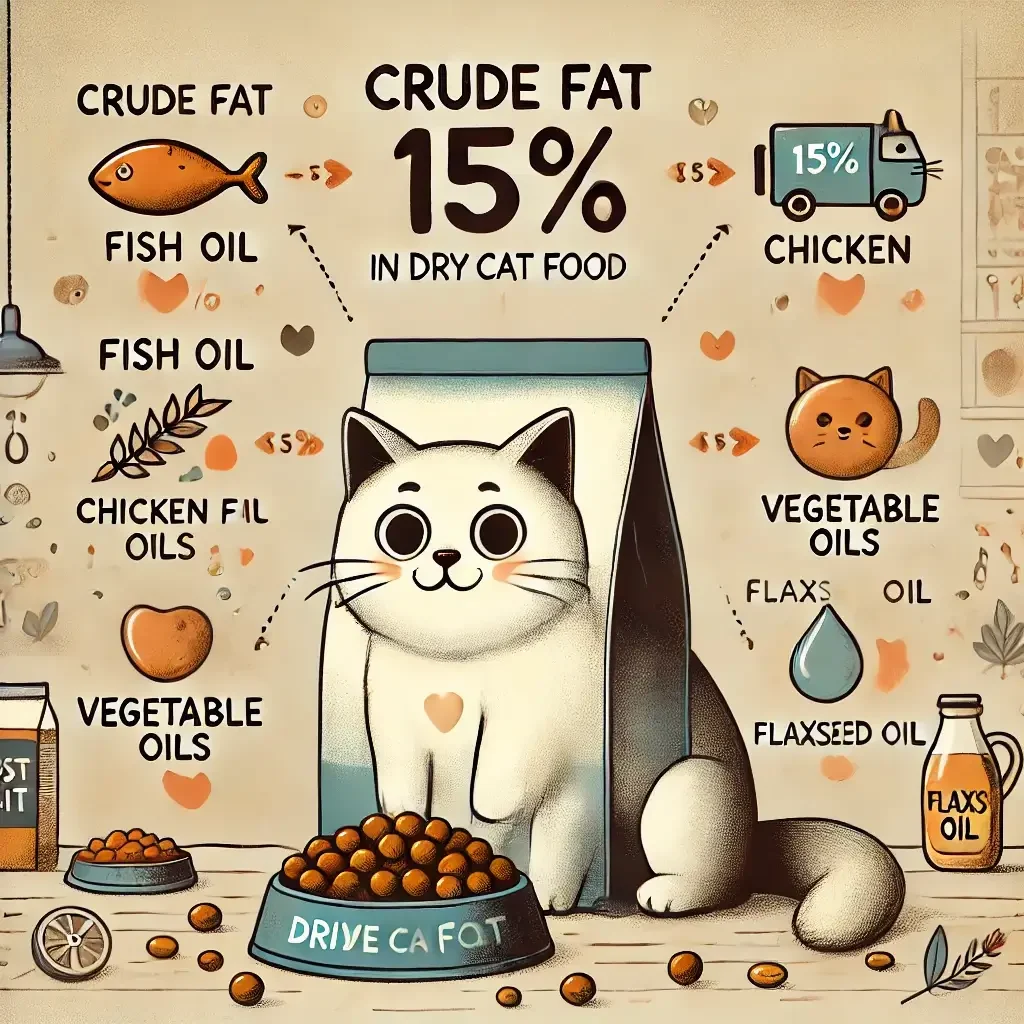
Are you wondering how much fat your adult cat really needs in their food? Getting the right amount of fat is crucial for your cat’s health, energy, and happiness.
Too little fat can leave your furry friend lacking energy, while too much can lead to weight gain and health problems. You’ll discover the ideal fat percentage for adult cat food, why it matters, and how it affects your cat’s wellbeing.
Keep reading to make sure your cat’s diet is just right.
Role Of Fat In Cat Nutrition
Fat plays a crucial role in your cat’s diet. It’s not just about calories; fat supports many vital functions that keep your feline friend healthy and active. Understanding the role of fat helps you choose the right food to meet your cat’s nutritional needs.
Energy Source For Cats
Fat provides a concentrated energy source that cats rely on for daily activities. Unlike carbohydrates, which cats don’t digest well, fat offers a more efficient fuel. If you’ve noticed your cat running around or playing energetically, that’s fat powering their moves.
Too little fat can leave your cat feeling tired or weak. Too much, however, can lead to obesity. Striking the right balance is key to keeping your cat vibrant and lively.
Essential Fatty Acids
Some fats supply essential fatty acids like omega-3 and omega-6. These are nutrients your cat’s body can’t make on its own. They support brain function, cell growth, and even immune health.
Have you ever seen your cat scratch more than usual or develop dry skin? Lack of these fatty acids might be why. Ensuring their food has enough of these fats can reduce such problems.
Fat And Coat Health
The shine and softness of your cat’s coat often reflect their fat intake. Adequate fat keeps their skin moisturized and fur glossy. Cats with dull or flaky coats might be missing out on this important nutrient.
Next time you pet your cat, notice the texture of their fur. Healthy fats are working behind the scenes to keep it smooth and beautiful. Feeding the right amount of fat helps your cat look as good as they feel.
Recommended Fat Levels In Adult Cat Food
Understanding the right fat content in your adult cat’s food is essential for keeping them healthy and active. Fat isn’t just a source of energy; it also supports skin health, aids in nutrient absorption, and adds flavor to their meals. Let’s look at what fat levels you should aim for when choosing food for your feline friend.
Minimum Fat Requirements
The Association of American Feed Control Officials (AAFCO) recommends that adult cat food contains at least 9% fat on a dry matter basis. This baseline ensures your cat gets enough essential fatty acids, like omega-3 and omega-6, which they can’t produce on their own.
Feeding below this minimum can lead to dull fur, skin problems, and lower energy levels. Have you checked the fat content on your cat’s food label lately? It’s a small detail that makes a big difference.
Typical Fat Percentages In Commercial Foods
Most commercial adult cat foods contain between 10% and 20% fat. Dry foods often have fat levels closer to 10-15%, while canned and wet foods tend to have higher fat content, sometimes exceeding 20%.
This range balances energy needs with palatability. If your cat suddenly loses interest in their food, checking the fat content might reveal why—cats often prefer richer, fattier diets.
Variations By Cat’s Lifestyle
Active cats or those with higher energy demands may benefit from food with fat content on the upper end of the range. For example, outdoor cats or those who play a lot often need more fat to sustain their activity.
Conversely, less active or overweight cats may require food with lower fat percentages to prevent weight gain. How well do you know your cat’s daily activity? Adjusting fat levels based on lifestyle can improve their quality of life significantly.
Types Of Fats In Cat Food
Fat in adult cat food should make up about 9% to 15% of the diet. Different fats provide energy and support healthy skin and coat. Balanced fat levels help maintain your cat’s overall health and vitality.
Cats need fats in their diet for energy and overall health. Not all fats are the same, so understanding the types is crucial. Some fats support healthy skin, coat, and brain function. Let’s explore different fats found in cat food.Saturated Vs Unsaturated Fats
Saturated fats are solid at room temperature. They come from animal sources like meat and dairy. Unsaturated fats are liquid and come from plants and fish. Cats need a balance of both for optimal health. Too much saturated fat can lead to weight gain and heart issues.Omega-3 And Omega-6 Fatty Acids
Omega-3 and Omega-6 are essential fatty acids. Cats cannot produce them naturally. Omega-3 supports brain and eye health. Omega-6 benefits skin and coat health. A proper balance of these acids is vital. Too much or too little can lead to health problems.Sources Of Healthy Fats
Healthy fats come from various sources. Fish oil is rich in Omega-3. Chicken fat provides Omega-6. Plant oils like flaxseed offer unsaturated fats. Each source contributes to a balanced diet. Always check labels for quality fat sources. Your cat’s health depends on it.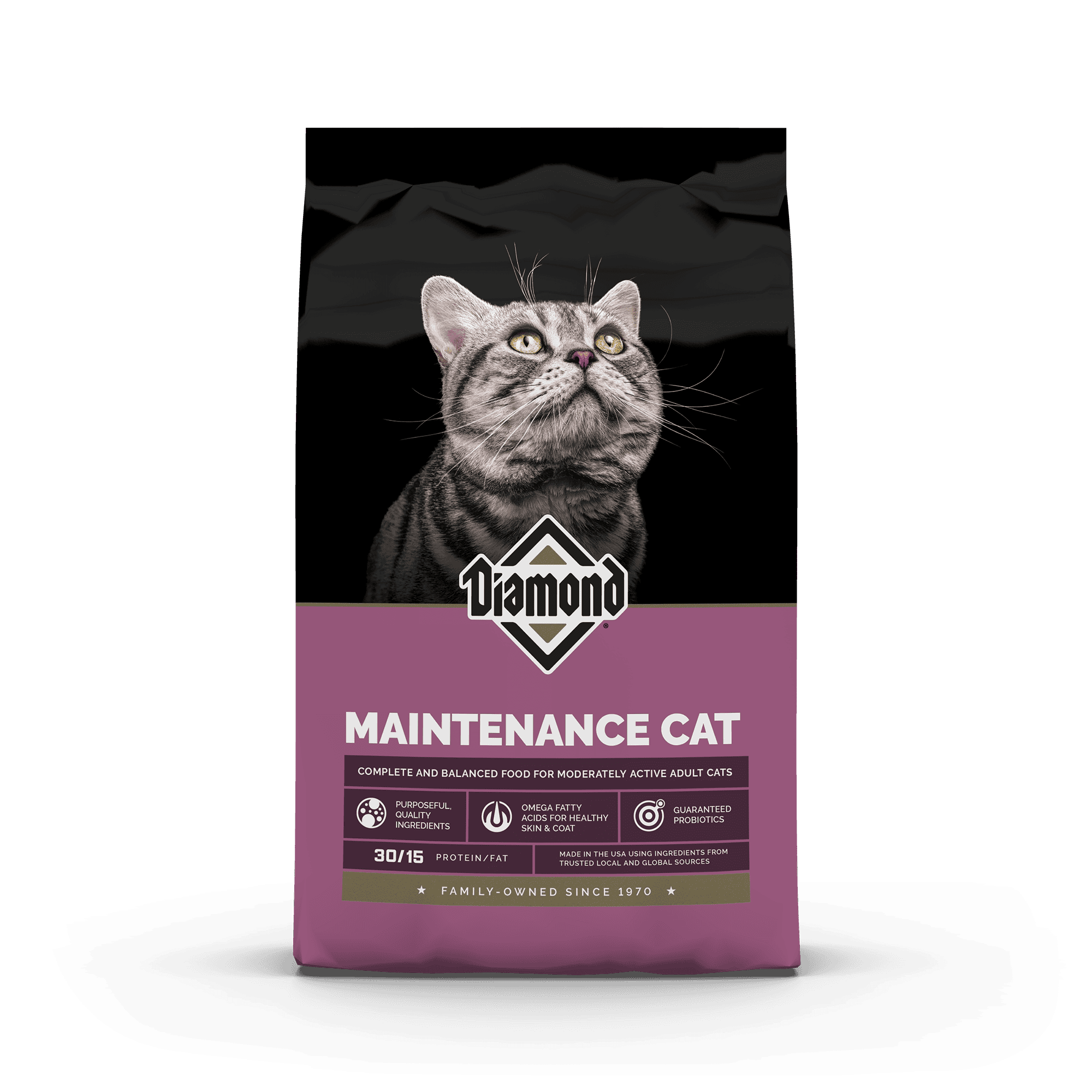
Credit: www.diamondpet.com
Impact Of Fat On Cat’s Health
Fat plays a vital role in a cat’s diet. It provides energy and helps absorb nutrients. The right amount of fat supports overall health and well-being. Too little fat can lead to nutrient deficiencies. Too much fat can cause health problems.
Weight Management
Fat contains more calories than protein or carbohydrates. Controlling fat intake helps maintain a healthy weight. Overweight cats face risks like diabetes and joint issues. Feeding balanced fat levels supports ideal body condition. It keeps cats active and reduces obesity risks.
Digestive Health
Fat aids in nutrient absorption and digestion. Essential fatty acids promote healthy skin and coat. They also support brain and eye development. Proper fat levels prevent digestive upset. They help maintain smooth bowel movements and gut health.
Potential Risks Of Excess Fat
- Obesity and related diseases
- Pancreatitis or inflammation of the pancreas
- Increased cholesterol and heart strain
- Reduced activity and mobility
Feeding too much fat can harm a cat’s health. Monitoring fat percentage helps avoid these problems.
Tailoring Fat Intake For Specific Needs
Fat is an essential nutrient in adult cat food. It provides energy and supports skin and coat health. However, different cats need different amounts of fat. Tailoring fat intake helps keep your cat healthy and active.
Active Vs Indoor Cats
Active cats burn more calories daily. They need higher fat content to fuel their energy. Usually, 12% to 15% fat in their diet works well. Indoor cats are less active and need fewer calories. Their fat intake should be closer to 8% to 10%. This helps prevent weight gain and related problems.
Senior Cats
Older cats often have slower metabolism. They may need less fat to avoid obesity. Yet, some fat is important for joint and brain health. A fat level of 8% to 12% suits most senior cats. Monitoring their weight and energy helps adjust fat intake.
Cats With Health Conditions
Cats with health issues need special attention to fat levels. Cats with pancreatitis require low-fat food, usually under 5%. Overweight cats benefit from reduced fat to lose weight safely. Cats with skin problems may need higher fat for healing. Consult your vet for the best fat percentage for these cats.
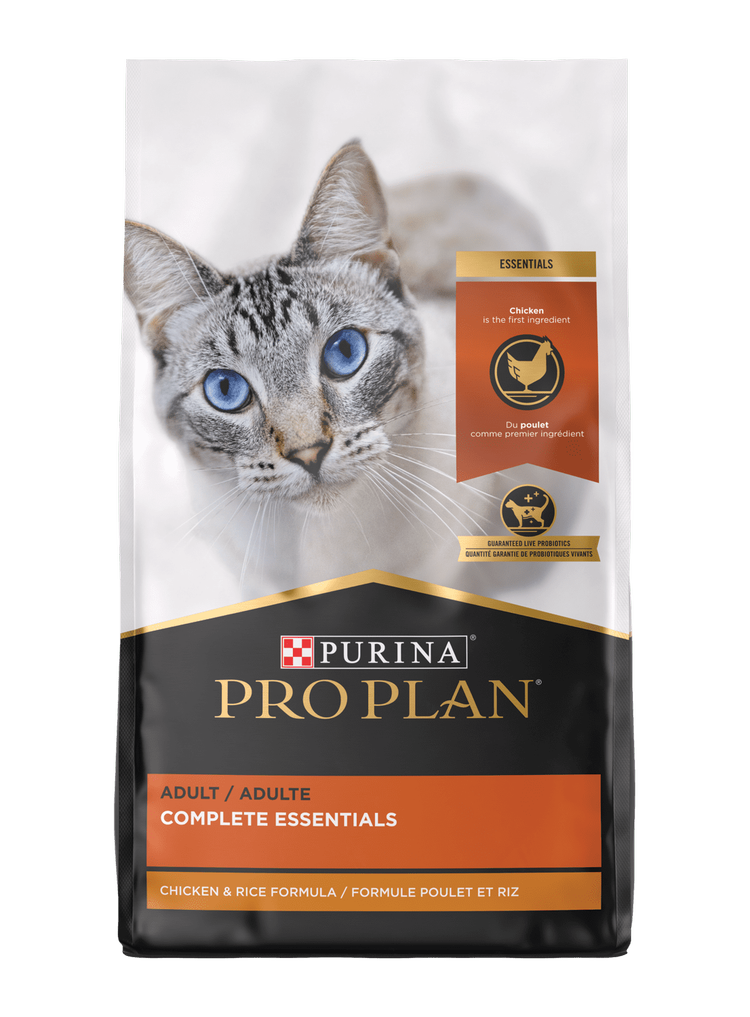
Credit: www.purina.com
Reading Cat Food Labels For Fat Content
Understanding the fat content in your cat’s food is essential for maintaining their health. Cat food labels hold a wealth of information, but they can be confusing at first glance. Learning how to read these labels helps you choose the right diet that supports your cat’s energy needs and overall wellbeing.
Understanding Guaranteed Analysis
The guaranteed analysis section on cat food labels shows the minimum and maximum nutrient levels, including fat. It usually lists crude fat as a percentage, which indicates the amount of fat in the food on a dry matter basis.
Pay attention to the minimum fat content because it tells you the least amount your cat will get in each serving. If your cat is very active or underweight, foods with higher fat percentages might be better.
Comparing Fat Content Across Brands
Fat percentages can vary widely between brands and types of food. Dry kibble often has higher fat content compared to canned food, but this depends on the recipe.
When comparing, look beyond just fat numbers. Consider the type of fat, whether it’s animal-based or plant-based, since animal fats are generally more digestible for cats.
- Check if the fat source is named, like chicken fat, rather than a vague term like “animal fat.”
- Compare fat content on a dry matter basis to get an accurate comparison.
Interpreting Ingredient Lists
Ingredient lists reveal the sources of fat in the food. Ingredients are listed by weight, so fat sources appearing near the top usually mean higher fat content.
Look for terms like “chicken fat,” “salmon oil,” or “animal fat.” Oils rich in omega-3 and omega-6 fatty acids are beneficial for your cat’s coat and skin.
Have you noticed how some labels list “by-products”? These can include fat sources but may vary in quality. Always weigh ingredient quality alongside fat content.
Expert Tips For Choosing Fat Content
Choosing the right fat content in adult cat food is key to your cat’s health. Fat provides energy and supports vital functions like skin and coat health. Experts suggest focusing on quality and balance rather than just numbers.
Consulting Your Veterinarian
Your vet knows your cat’s specific health needs. They can recommend the best fat percentage for your cat’s age, weight, and activity level. Some cats may need more fat for energy, while others need less to avoid weight gain. Regular check-ups help adjust the diet as needed.
Balancing Fat With Other Nutrients
Fat should work together with proteins and carbohydrates. A balanced diet supports overall health and digestion. Excess fat can cause obesity, while too little may lead to poor skin and coat condition. Look for cat food labels that show a good balance of nutrients.
Monitoring Your Cat’s Response
Watch how your cat reacts to their food. Healthy skin, shiny fur, good energy, and steady weight are signs of proper fat levels. If your cat shows signs of digestive upset or weight changes, consider adjusting the fat intake. Keep notes and share them with your vet for better guidance.
Credit: sites.tufts.edu
Frequently Asked Questions
What Is The Ideal Fat Percentage In Adult Cat Food?
Adult cat food should contain about 9% to 15% fat. This range supports energy needs and healthy skin and coat. Too much fat can cause obesity, while too little may lead to energy deficiency.
How Does Fat Content Affect A Cat’s Health?
Fat provides essential fatty acids and energy for cats. It supports brain function, skin health, and nutrient absorption. Balanced fat levels prevent weight issues and promote overall wellness in adult cats.
Can Adult Cats Eat Low-fat Food Safely?
Yes, adult cats can eat low-fat food if balanced properly. However, very low-fat diets might lack essential fatty acids. Consult your vet to ensure your cat’s diet meets all nutritional needs.
Why Is Fat Important In Adult Cat Food?
Fat is a dense energy source for cats. It helps maintain healthy skin, fur, and organ function. It also aids in absorbing fat-soluble vitamins like A, D, E, and K.
Conclusion
Cats need fat for energy and healthy skin. A good adult cat food usually has 9% to 15% fat. Too little fat can make your cat tired and weak. Too much fat can cause weight problems. Choose food that fits your cat’s age and health.
Watch your cat’s weight and behavior often. This helps to keep your pet happy and healthy. Feeding the right fat amount supports a long, active life. Fat matters, but balance is key.

Leave a Reply