If you have a Norwegian Forest Cat, you know how beautiful and unique their thick, lush fur is. But keeping that coat healthy and tangle-free can be a challenge.
Grooming your cat properly isn’t just about looks—it helps prevent mats, reduces shedding, and keeps your feline friend comfortable and happy. In this guide, you’ll discover simple, effective steps to groom your Norwegian Forest Cat like a pro. By the end, you’ll feel confident caring for their stunning coat and strengthening the bond between you and your furry companion.
Ready to make grooming easy and enjoyable? Let’s get started!

Credit: www.youtube.com
Norwegian Forest Cat Coat Traits
The Norwegian Forest Cat has a distinctive coat that demands special attention. Understanding its unique traits can make grooming easier and more effective. Your approach to brushing and care should match what the coat truly needs.
Fur Texture And Length
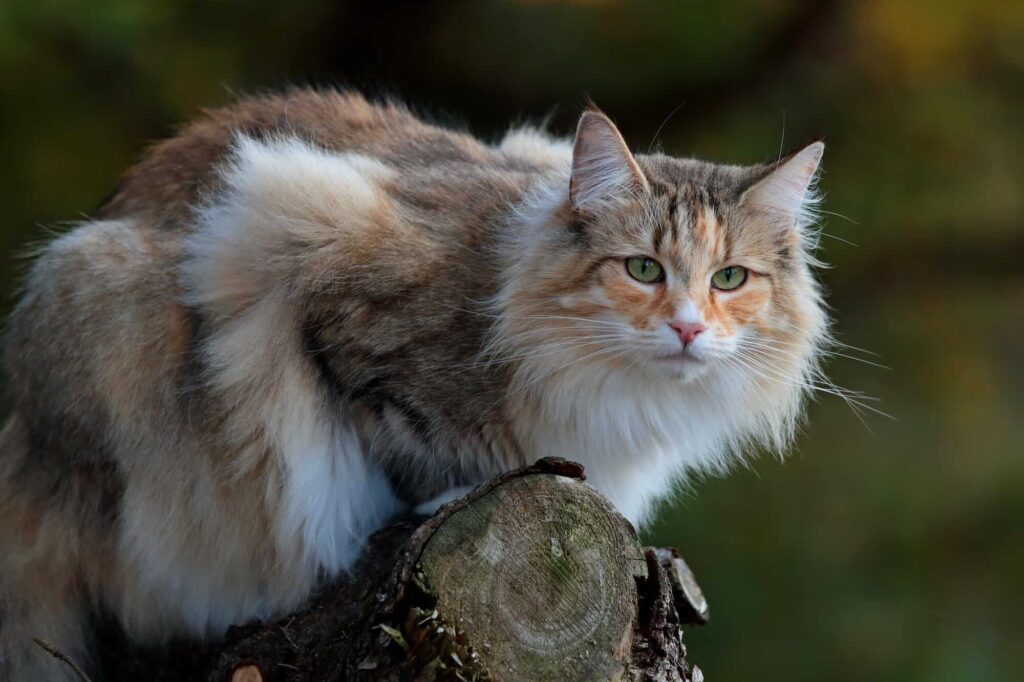
Norwegian Forest Cats boast a thick double coat. The outer layer is long, glossy, and water-resistant, while the undercoat is dense and woolly. This combination protects them in cold climates but also means their fur can easily tangle if not cared for regularly.
You’ll notice the fur around their neck and chest is especially long, creating a mane-like effect. Their tail fur is bushy and soft, adding to their wild appearance. These traits require gentle but thorough brushing to prevent mats, particularly in those thicker areas.
Seasonal Shedding Patterns
These cats shed heavily twice a year, typically in spring and fall. During these periods, their thick undercoat loosens and falls out to prepare for temperature changes. If you skip extra grooming during these times, loose fur can build up and cause discomfort or skin problems.
Regular brushing during shedding seasons helps remove dead hair and keeps your home cleaner. You might even find your cat enjoys the attention, turning grooming into bonding time. Have you noticed how a well-groomed Norwegian Forest Cat seems more lively and comfortable?
Essential Grooming Tools
Grooming a Norwegian Forest Cat requires the right tools. Their thick, double-layered coat needs special care. Using proper grooming tools helps keep their fur healthy and shiny. It also makes the grooming process easier and more comfortable for your cat.
Brush Types For Different Fur Layers
The Norwegian Forest Cat has two fur layers: a soft undercoat and a longer topcoat. Each layer needs a different brush type. A slicker brush works well for removing loose hair from the undercoat. Use a wide-tooth comb or a pin brush for the longer outer fur. This prevents tangles and mats without hurting your cat’s skin.
Combs And Nail Clippers
A fine-toothed comb helps spot small mats and debris. It also smooths the fur after brushing. Nail clippers designed for cats keep their claws neat and safe. Regular trimming prevents scratches and keeps your cat comfortable. Choose a sharp, small clipper for clean cuts without crushing the nails.
Brushing Techniques
Use a wide-toothed comb to gently detangle your Norwegian Forest Cat’s thick fur. Brush in the direction of hair growth to avoid pulling or hurting the cat. Regular brushing helps prevent mats and keeps the coat shiny and healthy.
Grooming a Norwegian Forest Cat requires special attention to brushing techniques. Their thick coats can easily tangle if not maintained properly. Regular brushing keeps their fur healthy and reduces shedding. Focus on consistent techniques to manage their unique coat.Daily Brushing Routine
Establish a daily brushing routine for your Norwegian Forest Cat. Use a wide-toothed comb for their dense undercoat. Follow with a slicker brush to remove loose hair. Begin at the head and move towards the tail gently. This removes dirt and prevents mats from forming. Make brushing a bonding time with your cat. This builds trust and makes grooming enjoyable.Handling Mats And Tangles
Mats and tangles can form quickly in thick fur. Use a detangling spray to ease the process. Gently work through mats with your fingers first. Follow with a comb, starting from the ends. Never pull hard or force the brush through. This can hurt your cat and cause stress. For severe mats, consult a professional groomer. They have the tools and expertise needed. Regular brushing reduces the chance of mats significantly. Keep your cat’s coat smooth and clean with these techniques.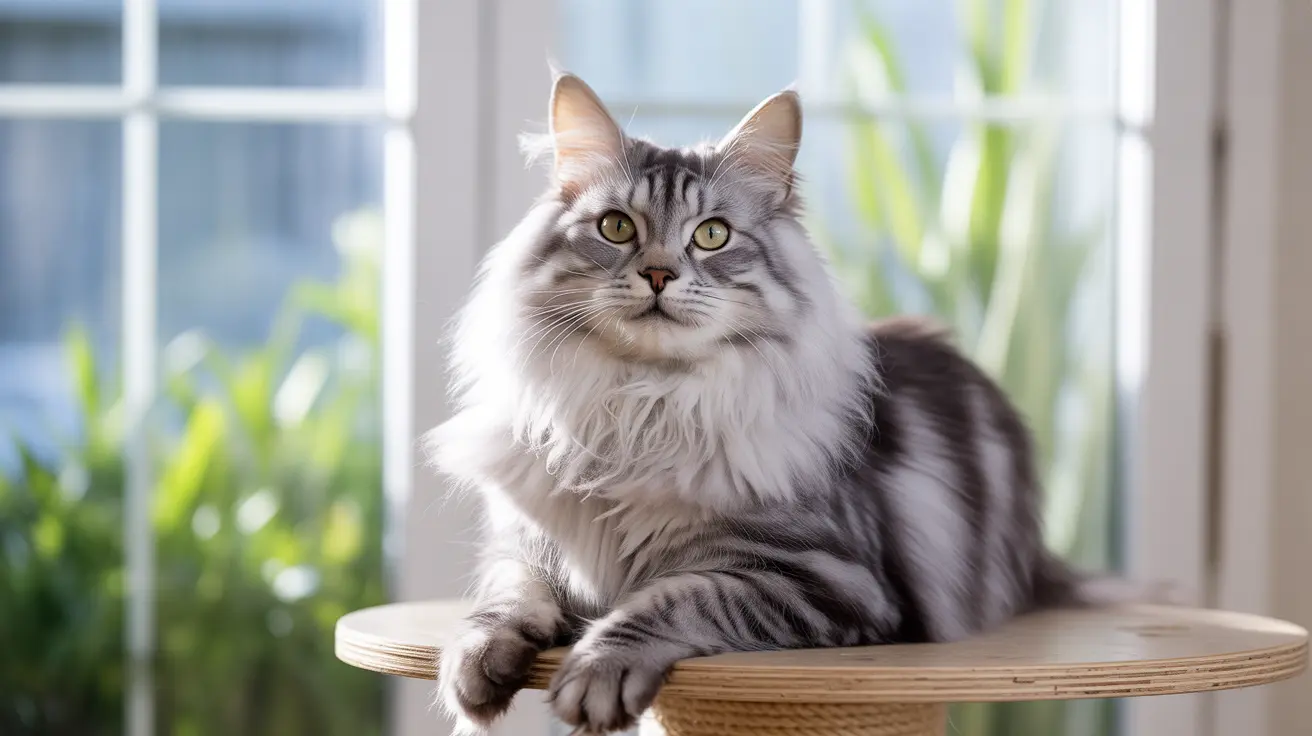
Credit: www.petscare.com
Bathing Tips
Bathing a Norwegian Forest Cat requires care and the right approach. This breed has a thick, water-resistant coat that needs special attention during baths. Proper bathing keeps their fur clean and healthy without causing stress. Follow simple tips to make the bath easy and safe for your cat.
Frequency And Products
Bath Norwegian Forest Cats only when needed. Too many baths can dry their skin. Usually, bathing every 2 to 3 months works well. Use a gentle, cat-specific shampoo. Avoid human shampoos as they can irritate the skin. Choose products that moisturize and protect the coat.
Prepare warm water, not hot or cold. Wet the fur slowly and avoid the head area. Use a cup or sprayer for gentle rinsing. Keep shampoo away from eyes and ears. Lather softly and rinse well to remove all soap.
Drying And Aftercare
After the bath, towel dry your cat by patting gently. Avoid rubbing to prevent tangles. Use a blow dryer on low heat if your cat tolerates it. Keep the dryer at a safe distance. Brush the fur while drying to stop mats and knots.
Check ears and clean if needed with a soft cloth. Offer a calm space for your cat to relax and dry fully. Regular brushing after bath days keeps the coat smooth and shiny. Monitor your cat’s skin for any signs of dryness or irritation.
Nail And Ear Care
Nail and ear care are important parts of grooming a Norwegian Forest Cat. These cats have strong claws and sensitive ears. Regular care keeps them healthy and comfortable. Neglecting nails or ears can cause pain or infections. Gentle handling helps your cat stay calm during grooming.
Trimming Nails Safely
Choose a quiet place to trim your cat’s nails. Use sharp, small clippers made for cats. Hold your cat’s paw gently and press the pad to extend the nails. Avoid cutting the pink part inside the nail, called the quick. Cutting the quick causes pain and bleeding.
- Trim only the sharp tips of nails.
- Trim nails every two to three weeks.
- Use a styptic powder to stop bleeding if needed.
- Offer treats to keep your cat calm and happy.
Cleaning Ears Gently
Check your cat’s ears weekly for dirt or wax buildup. Use a soft cloth or cotton ball dampened with a vet-approved ear cleaner. Gently wipe the inside of the ear flap and the visible ear canal. Never insert anything deep into the ear canal.
- Look for redness, swelling, or bad smell as signs of infection.
- Do not use cotton swabs inside the ear canal.
- Clean ears only when needed, not daily.
- Stop cleaning if your cat shows pain and consult a vet.
Diet And Coat Health
Diet plays a crucial role in keeping your Norwegian Forest Cat’s coat healthy and vibrant. What you feed directly affects the quality of their fur, making grooming easier and more effective. Understanding the right nutrients and supplements can help you maintain that beautiful, thick coat your cat is known for.
Nutritional Needs
Norwegian Forest Cats need a balanced diet rich in protein to support their strong muscles and thick fur. Look for high-quality cat food that lists real meat as the first ingredient. Protein provides essential amino acids that repair and grow hair follicles.
Fatty acids, especially omega-3 and omega-6, are vital for a shiny and soft coat. These healthy fats reduce dryness and flakiness by moisturizing the skin from the inside out. Have you noticed your cat’s fur becoming dull or brittle? It might be time to check their diet for enough fats.
Hydration also affects coat health. Cats often don’t drink enough water, which can lead to dry skin and dull fur. Wet food or adding a little water to dry kibble can boost their fluid intake, improving coat texture.
Supplements For Shine
Sometimes regular food isn’t enough to keep your cat’s coat in top shape. Adding supplements can make a big difference. Fish oil capsules or liquid supplements are popular choices that add extra omega-3 fatty acids.
Biotin is another supplement that supports skin and coat health. It strengthens hair and helps reduce shedding. You can find biotin in chewable treats or as a powder that mixes easily with food.
Before you add any supplements, it’s wise to talk with your vet. Over-supplementing can cause problems, so it’s best to tailor the approach for your cat’s unique needs. Have you tried supplements yet? Tracking your cat’s coat condition before and after can show you what works best.
Signs Of Skin Problems
Norwegian Forest Cats have thick, water-resistant fur that protects their skin. Still, skin problems can develop under that dense coat. Spotting these issues early helps keep your cat healthy and comfortable. Watch for changes in your cat’s skin or fur during grooming sessions. Pay attention to any signs of irritation or discomfort.
Common Issues To Watch For
- Redness or inflammation on the skin
- Dry, flaky patches or dandruff
- Hair loss or bald spots
- Scabs, sores, or wounds
- Excessive scratching or biting
- Swelling or lumps under the fur
- Unpleasant odor from the skin
- Oily or greasy coat
These signs may indicate allergies, infections, or parasites. Skin problems can cause pain or itchiness. Norwegian Forest Cats may hide discomfort well. Careful observation during grooming helps catch problems early.
When To Consult A Vet
- Skin issues persist for more than a few days
- Worsening redness, swelling, or sores
- Signs of infection like pus or bleeding
- Sudden hair loss or large bald areas
- Changes in your cat’s behavior or appetite
- Severe itching causing restlessness
Veterinarians can diagnose the cause and suggest treatment. Early care prevents problems from becoming serious. Regular vet check-ups support your cat’s skin health. Don’t delay if you suspect a skin problem.
Credit: rawznaturalpetfood.com
Frequently Asked Questions
How Often Should I Groom A Norwegian Forest Cat?
Norwegian Forest Cats require grooming at least twice a week. Regular brushing prevents matting and reduces shedding. Increase frequency during seasonal changes to manage their thick coat effectively.
What Tools Are Best For Grooming Norwegian Forest Cats?
Use a wide-tooth comb, slicker brush, and grooming scissors. These tools help detangle fur and remove loose hair gently. Avoid harsh brushes to protect their delicate skin.
How Do I Prevent Matting In Norwegian Forest Cat Fur?
Brush your cat regularly, focusing on problem areas like underarms and tail. Use a detangling spray if needed. Regular grooming sessions keep their coat smooth and mat-free.
Can Grooming Improve My Norwegian Forest Cat’s Health?
Yes, grooming stimulates blood circulation and skin health. It also helps detect parasites and skin issues early. Regular grooming keeps your cat comfortable and healthy.
Conclusion
Grooming a Norwegian Forest Cat keeps its fur healthy and soft. Regular brushing stops mats and tangles from forming. Pay attention to their claws and ears too. A calm and gentle approach helps build trust. Grooming also helps you notice any health changes early.
Enjoy the time spent caring for your cat. Happy grooming brings a happy, comfortable pet. Simple steps make a big difference every day. Keep grooming a part of your routine. Your cat will thank you with love and purrs.


Leave a Reply