Training your cat to use the potty might sound impossible, but it’s easier than you think. Imagine saving money on litter, keeping your home cleaner, and feeling proud every time your cat goes in the right place.
You don’t have to struggle with messes or bad smells anymore. This guide will show you simple, step-by-step methods to help your cat make the switch smoothly. Ready to make life easier for both you and your furry friend? Keep reading and discover how to train your cat for potty success.
Choosing The Right Litter Box
Choosing the right litter box is crucial when training your cat to use the potty. The right box can make all the difference in your cat’s comfort and willingness to use it consistently. Think about what suits your cat’s personality and habits, and you’ll set the stage for success.
Types Of Litter Boxes
There are several types of litter boxes, each with its own benefits. Open litter boxes are simple and easy to clean, but some cats prefer privacy. Covered litter boxes offer that privacy and can reduce odors, but they might feel cramped for larger cats.
Self-cleaning litter boxes reduce your workload but can be intimidating for shy cats. Consider a box with low sides if your cat is a kitten or older and has trouble climbing. Which type do you think your cat would feel most comfortable using?
Size And Placement Tips
Size matters more than you might expect. A litter box should be at least one and a half times the length of your cat from nose to tail. This gives your cat enough room to move around and dig without feeling confined.
Placement is equally important. Avoid noisy or high-traffic areas that might scare your cat away. A quiet, easily accessible spot encourages regular use and builds good habits faster. Have you noticed where your cat naturally prefers to go?

Credit: www.youtube.com
Selecting The Best Litter
Selecting the best litter is key for training your cat to use the potty. The right litter makes your cat feel comfortable and encourages good habits. It also helps control odor and keeps the area clean. Understanding the differences in litter types can help you pick the best one for your cat.
Clumping Vs Non-clumping
Clumping litter forms solid clumps when wet. This makes cleaning easier. You can scoop out waste daily without changing all the litter. It helps keep the box fresh longer.
Non-clumping litter absorbs moisture but does not form clumps. It may need to be changed more often. It is usually softer and can be gentler on sensitive paws.
Choose clumping litter for easy cleanup and odor control. Choose non-clumping if your cat prefers a softer texture.
Scented Or Unscented Options
Scented litter masks odors with added fragrances. It can keep the litter box smelling fresh. Some cats may not like strong smells and avoid the box.
Unscented litter has no added fragrances. It is more natural and less likely to bother your cat. Most cats prefer unscented litter because it feels closer to nature.
Try unscented litter first. You can switch to scented if odor becomes a problem. Always watch your cat’s reaction to new scents.
Preparing Your Cat
Introduce your cat to the potty area early. Keep the space clean and quiet to make your cat comfortable. Use gentle encouragement and patience during training.
Preparing Your Cat Training a cat for potty is a journey that begins with preparation. It’s not just about teaching them new habits but also understanding their instincts. Preparing your cat lays the foundation for a successful transition. Taking the time to properly introduce the litter box and recognize your cat’s natural behaviors is essential. Understanding your cat’s needs and preferences is the key to a smooth potty-training experience.Introducing The Litter Box
Before you start, ensure the litter box is in a quiet and accessible area. Cats value their privacy, and a peaceful location can make all the difference. Consider the type of litter box and litter you use. Some cats have preferences for open versus closed boxes or clumping versus non-clumping litter. Observe how your cat interacts with the litter box initially. A little curiosity or hesitation is normal, but consistent avoidance might signal the need for a different type or location.Recognizing Natural Behavior
Cats are creatures of habit, and recognizing their natural behaviors can guide your training process. Notice your cat’s routine—when and where they typically relieve themselves can provide clues for successful training. Cats often scratch the ground or sniff around before they go potty. Use these behaviors to your advantage by guiding them to the litter box when you see these signs. Encourage your cat by placing them in the litter box after meals or naps. This reinforces the habit and helps them associate the box with bathroom activities. How does your cat react when exploring new environments? Understanding their comfort level with change can help tailor your approach. By preparing your cat thoughtfully, you set the stage for a harmonious potty-training experience. Are you ready to embark on this journey with your feline friend?
Credit: www.amazon.com
Step-by-step Training Process
Training a cat to use the potty takes patience and clear steps. This process helps your cat learn where to go without stress. Follow a simple plan to guide your cat gently through training. Consistency is key to helping your cat understand the new routine.
Initial Encouragement
Introduce the potty area clearly to your cat. Place the litter box or potty seat in a quiet, accessible spot. Let your cat explore the area freely. Watch for signs your cat needs to go, such as scratching or sniffing. Gently place your cat on the potty to show it where to go. Keep these sessions short and calm to avoid stress.
Handling Accidents
Accidents are part of the learning process. Clean any messes quickly and thoroughly to remove odors. Avoid punishment; it can cause fear and confusion. Use a calm voice to guide your cat back to the potty area. Observe patterns to adjust the potty location if needed. Patience helps your cat feel safe during training.
Positive Reinforcement
Reward your cat immediately after successful potty use. Use treats, gentle petting, or soft praise to encourage good behavior. Consistent rewards help your cat connect the potty with positive experiences. Gradually reduce treats as your cat learns the routine. Positive reinforcement builds trust and speeds up training.
Maintaining Consistency
Maintaining consistency is key when training your cat to use the potty. Cats thrive on routine, and any change can confuse them or slow down their progress. Keeping a steady approach not only helps your cat learn faster but also builds trust between you and your furry friend.
Cleaning Routine
Keep the potty area clean and fresh to encourage your cat to use it regularly. Scoop out waste daily and completely change the litter once a week. A clean space makes your cat feel comfortable and reduces the chance they’ll avoid the potty.
Use unscented, dust-free litter to avoid irritating your cat’s sensitive nose. If you notice your cat avoiding the potty, check if the litter box smells or looks dirty. Your attention to cleanliness shows your cat that the potty is a safe, inviting place.
Monitoring Progress
Watch your cat’s behavior closely as you train. Are they approaching the potty on their own? Are accidents happening less frequently? Tracking these signs helps you understand what’s working and where you might need to adjust your approach.
Keep a small journal or notes on your phone about your cat’s potty habits. Note the times they use the potty and any accidents. This record can reveal patterns—maybe your cat needs more frequent breaks or a different spot for the potty.
Have you noticed your cat’s natural rhythm? Cats often prefer to go after naps or meals. Aligning your training schedule with these times can speed up success and make potty training feel natural for your cat.
Credit: www.amazon.com
Troubleshooting Common Issues
Training a cat to use the potty can have challenges along the way. Troubleshooting common issues helps keep progress steady. Knowing how to handle problems avoids frustration for you and your cat. This section covers key problems and practical solutions to keep training on track.
Avoiding Litter Box Aversion
Cats may avoid the litter box due to bad experiences. Clean the box daily to keep it fresh and inviting. Use unscented, clumping litter that feels soft under paws. Place the box in a quiet, low-traffic area. Avoid moving the box too often, as cats prefer consistency.
Watch for signs of fear or discomfort near the box. If your cat scratches outside the box, try a larger or covered litter box. Adding a second box can help if you have multiple cats. Reward your cat with gentle praise after using the box correctly.
Addressing Health Concerns
Health problems often cause litter box issues. Urinary tract infections or bladder problems make cats avoid the box. Watch for signs like frequent urination, straining, or blood in urine. Take your cat to the vet for a check-up if problems persist.
Older cats may develop arthritis, making it hard to enter or exit the box. Use a low-sided box for easy access. Keep the box clean to prevent infections and discomfort. Proper health care supports smooth potty training and a happy cat.
Advanced Tips For Success
Training a cat to use the potty can be challenging, especially beyond the basics. Advanced tips can improve success and make the process smoother. Patience and consistency remain key. These tips help tackle common hurdles and keep your cat motivated.
Training Older Cats
Older cats may resist change more than kittens. Start by introducing the potty area slowly. Place their litter box near the toilet, then gradually raise its height.
Keep training sessions short to avoid stress. Reward your cat with treats and praise each time it uses the potty correctly. Watch for signs of discomfort or confusion and adjust the pace.
Be patient. Older cats need more time to learn new habits. Avoid forcing them. Gentle encouragement works best. Consistency is crucial for success.
Using Training Aids
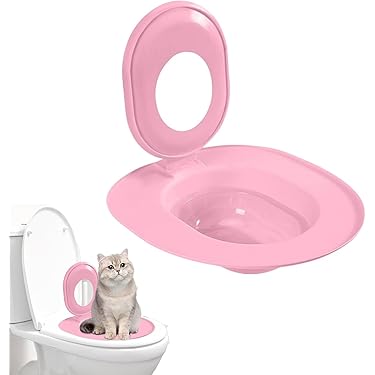
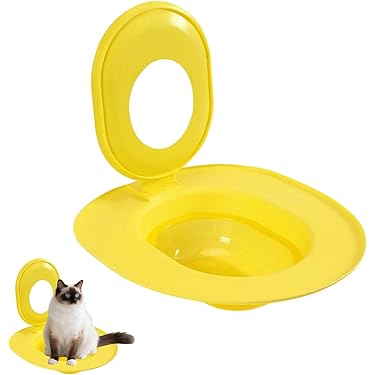
Training aids can simplify the potty training process. Use special cat training seats designed to fit toilet bowls. These seats often have a small hole that grows larger over time.
Place attractants or catnip in the training seat to encourage your cat. Use flushable litter to keep the seat clean and familiar. Avoid scented or dusty litter types that may deter your cat.
Monitor progress and clean the training seat regularly. A clean environment encourages use. Some owners also use clicker training to reinforce positive behavior.
Frequently Asked Questions
How Long Does It Take To Train A Cat For Potty?
Training a cat for potty usually takes 2 to 4 weeks. Consistency and patience are key. Start with a small litter box and gradually move it outside.
What Materials Are Needed For Potty Training Cats?
You need a small litter box, cat-friendly litter, and a designated outdoor spot. Use positive reinforcement like treats to encourage good behavior.
Can All Cats Be Potty Trained Outdoors?
Most cats can learn, but some may prefer indoor litter boxes. Age, temperament, and previous habits affect success. Patience is essential for all cats.
How To Handle Accidents During Cat Potty Training?
Clean accidents promptly with enzyme cleaners to remove odors. Avoid punishment; instead, gently guide your cat back to the litter or outdoor spot.
Conclusion
Training a cat to use the potty takes time and patience. Start with small steps and stay consistent. Cats learn best with gentle encouragement and rewards. Expect some accidents but keep trying without frustration. This skill helps keep your home clean and fresh.
Enjoy the process and celebrate each success. Your cat will thank you with good behavior. Keep practicing and your efforts will pay off. Simple habits lead to great results.



Leave a Reply