Are you passionate about cats and want to turn that love into something official? Becoming a registered cat breeder in Tasmania isn’t just about owning cats—it’s about following the right steps to ensure your breeding is responsible, legal, and successful.
This guide will walk you through exactly what you need to do, from understanding the rules to getting your registration. If you want to make a real difference in the world of cat breeding and protect your furry friends, keep reading.
Your journey to becoming a trusted breeder starts here.

Credit: perfectpets.com.au
Legal Requirements
Before you start breeding cats in Tasmania, understanding the legal requirements is crucial. These rules protect both you and your cats, ensuring you operate responsibly and ethically. Ignoring them can lead to fines or worse, the loss of your breeding license.
Licensing And Permits
You must obtain the correct licenses before breeding cats. Tasmania requires breeders to have a permit that proves you meet specific standards. These permits often involve inspections of your facilities and a review of your breeding plans.
Have you checked what paperwork you need yet? Applying early helps avoid delays that could disrupt your breeding schedule.
Local Council Regulations
Each local council in Tasmania may have its own rules about cat breeding. These can include limits on the number of cats, property zoning restrictions, or noise control measures.
Contact your local council to learn their specific requirements. This step can save you from unexpected legal trouble and ensure your breeding setup complies with local laws.
Animal Welfare Laws
Animal welfare laws in Tasmania set strict standards for how you care for your cats. This includes providing proper shelter, food, veterinary care, and socialization to keep your cats healthy and happy.
Have you thought about how you will meet these welfare standards daily? Maintaining high welfare standards not only keeps your cats safe but also builds trust with potential buyers and authorities.
Choosing Cat Breeds
Choosing the right cat breed is a crucial step in becoming a registered cat breeder in Tasmania. Your choice impacts your breeding success, the health of your cats, and how well you connect with potential buyers. Consider breeds that match your lifestyle, experience, and goals as a breeder.
Popular Breeds In Tasmania
Tasmania has a growing interest in several cat breeds that are well-suited to the local environment and culture. Some popular breeds include:
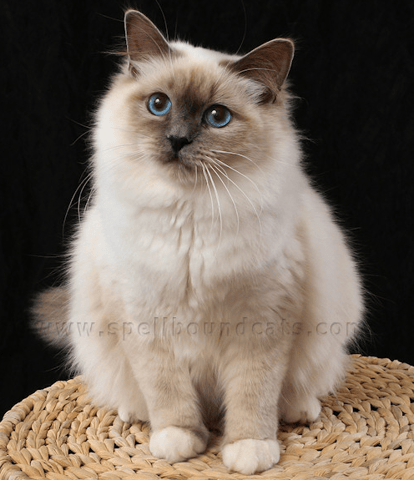
- Ragdoll– Known for their calm and friendly nature, making them great for families.
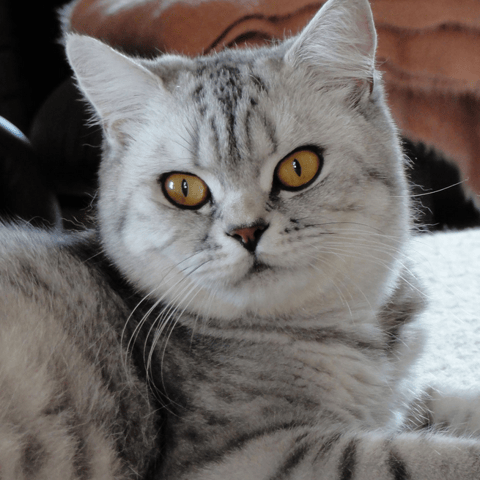
- British Shorthair– Recognizable for their dense coat and robust build.
- Siberian– A hardy breed adapted to colder climates, fitting for Tasmania’s weather.
- Oriental Shorthair– Valued for their sleek look and social personality.
Choosing a breed popular in Tasmania can make it easier to find buyers and connect with the local breeder community.
Breed Standards
Every breed has specific standards that describe the ideal physical traits and temperament. These standards guide breeders in maintaining the quality and purity of the breed.
You need to study the official breed standards carefully, which are usually provided by cat associations like the Governing Council of the Cat Fancy (GCCF) or the Cat Fanciers’ Association (CFA).
Pay attention to details such as coat color, eye shape, body structure, and personality traits. Meeting these standards increases your chances of success in shows and helps build a strong reputation.
Health Considerations
Health is a top priority when selecting a breed to breed. Some breeds are prone to specific genetic conditions that can affect their wellbeing and lifespan.
Research common health issues related to your chosen breed. For instance, Persians often face respiratory problems due to their flat faces, while Maine Coons can have heart conditions like hypertrophic cardiomyopathy.
Ask yourself if you are prepared to handle potential health challenges with proper veterinary care and responsible breeding practices. Your commitment to health safeguards your cats and your breeding business.
Setting Up Your Breeding Environment
Create a clean, quiet space for your cats with good lighting and ventilation. Ensure the area is safe, comfortable, and easy to clean to support healthy breeding.
Setting up your breeding environment is crucial for cat breeding success. A well-organized space ensures the health and happiness of your cats. This environment should cater to their housing, hygiene, and nutritional needs. Let’s explore these important aspects.Housing And Space Needs
Cats need ample space to move freely. Provide separate areas for different activities. Include sleeping, playing, and litter areas. Ensure each cat has personal space. This reduces stress and promotes well-being. Use cat-friendly furniture and structures. Scratching posts and climbing towers are great. Secure windows and doors to prevent escapes.Sanitation And Hygiene
Cleanliness is essential in a breeding environment. Regularly clean litter boxes to avoid odors. Use disinfectants safe for cats. Clean feeding bowls and water dishes daily. Monitor for pests and insects. Implement a schedule for deep cleaning. This keeps the environment healthy and safe. Ensure proper ventilation to reduce airborne germs.Feeding And Nutrition
Good nutrition supports cat health and breeding success. Provide high-quality, balanced cat food. Consider specific dietary needs for breeding cats. Fresh water should always be available. Monitor weight and adjust portions as needed. Discuss with a vet for dietary advice. Avoid overfeeding to prevent obesity. Healthy cats are happier and more energetic.Health And Care Protocols
Maintaining excellent health and care standards is vital for registered cat breeders in Tasmania. Ensuring your cats receive proper health care protects their wellbeing and the quality of future litters. Understanding essential health and care protocols helps you build a responsible breeding practice.
Vaccinations And Vet Visits
Vaccinations protect cats from common and serious diseases. Keep a vaccination schedule for all breeding cats and kittens. Regular vet visits ensure early detection of health issues. A vet can provide advice on parasite control and nutrition. Maintain detailed health records for every cat in your breeding program.
Genetic Testing
Genetic testing helps identify inherited diseases. Test breeding cats for breed-specific conditions before mating. This reduces the risk of passing on genetic disorders. Use test results to select healthy mates and improve breed quality. Many tests are simple blood or saliva samples collected by your vet.
Breeding Health Checks
Perform health checks before and after breeding. Check for infections, reproductive health, and overall fitness. Ensure cats are in good condition to handle pregnancy and birth. Monitor the mother and kittens closely during the early weeks. Healthy breeding cats lead to healthier litters and fewer complications.
Registration Process
The registration process to become a registered cat breeder in Tasmania is straightforward but requires attention to detail. You’ll need to work closely with official cat associations and prepare specific documents. Understanding the fees and timelines will help you plan your journey efficiently.
Applying To Cat Associations
Start by choosing a recognised cat association in Tasmania, such as the Tasmanian Cat Association or the Australian National Cats Inc. These bodies oversee breeder registrations and provide valuable resources.
You will usually need to fill out an application form either online or in person. Associations might also require you to attend an orientation or information session about ethical breeding practices. Have you checked if the association offers mentoring programs? They can be a great help in your early days.
Documentation Needed
Gathering the right documents is crucial. Associations typically ask for:
- Proof of identity (passport or driver’s license)
- Evidence of premises inspection to ensure a safe environment for cats
- Pedigree certificates or registration papers for your cats
- Vaccination and health records of breeding cats
- Completed breeding plan or code of ethics agreement
Missing any of these can delay your registration, so double-check everything. From my experience, organising these documents early saves a lot of stress later.
Fees And Timelines
Registration fees vary depending on the association and the scope of your breeding operation. Expect to pay an initial application fee plus annual renewal charges.
| Fee Type | Typical Cost | When to Pay |
|---|---|---|
| Application Fee | $50 – $150 | Upon submitting your application |
| Annual Registration | $30 – $100 | Every year on registration anniversary |
| Premises Inspection | May be included or extra $50 – $100 | Before final approval |
The entire process can take anywhere from a few weeks to a couple of months. Planning ahead is key, especially if you want to start breeding in a specific season. Have you thought about how the timing of your registration might affect your breeding schedule?
Marketing Your Cats
Marketing your cats is key to a successful breeding business. It helps you reach potential buyers and build trust. Effective marketing shows the quality and care behind your cats. Focus on clear communication and honest presentation. Use various tools and methods to attract the right audience.
Building A Reputation
A strong reputation makes buyers confident in your cats. Always provide healthy, well-socialized kittens. Be honest about breed traits and any health issues. Deliver excellent customer service and follow up after sales. Positive reviews and word of mouth spread your good name fast.
Online Presence
Create a simple website with clear photos and details about your cats. Use social media to share updates and stories. Post regularly to keep followers interested. Join cat breeding forums and groups to increase visibility. Make sure contact information is easy to find.
Networking With Buyers
Build relationships with local cat owners and breeders. Attend cat shows and community events to meet potential buyers. Listen to their needs and offer advice. Keep in touch through newsletters or emails. Strong connections often lead to repeat buyers and referrals.
Ethical Breeding Practices
Ethical breeding is the foundation of becoming a registered cat breeder in Tasmania. It’s not just about producing kittens but about caring for the health and happiness of each cat in your care. You must balance your passion with responsibility to protect the breed’s future and ensure every animal’s welfare.
Avoiding Overbreeding
Overbreeding can quickly harm both the mother cat and her kittens. Make sure you limit the number of litters per year to prevent exhaustion and health issues. Ask yourself if your cats have enough time to recover and regain strength before the next pregnancy.
Tracking each cat’s breeding history helps you stay on top of their health status. This practice reduces risks of genetic problems and maintains strong, healthy bloodlines. Remember, quality matters far more than quantity.
Ensuring Animal Welfare
Your cats should always live in a clean, safe, and stimulating environment. Regular veterinary check-ups and vaccinations are essential to prevent illness. Observe your cats daily—notice any changes in behavior or appetite that might signal health concerns.
Provide plenty of enrichment through toys, climbing spaces, and social interaction. This keeps your cats mentally and physically fit. How often do you pause to assess if your cats are truly thriving, not just surviving?
Responsible Sales
Finding the right home for each kitten is a key part of ethical breeding. Screen potential buyers carefully to ensure they understand the commitment involved. Offer clear guidance on care, feeding, and health checks.
Stay available for support even after the kitten leaves your care. This builds trust and helps maintain the breed’s reputation. Would you trust a breeder who disappears once the sale is done?
Credit: perfectpets.com.au

Credit: perfectpets.com.au
Frequently Asked Questions
What Are The Legal Requirements To Register As A Cat Breeder In Tasmania?
To register as a cat breeder in Tasmania, you must comply with local animal welfare laws. Register with the Cat Management Board, maintain proper facilities, and keep accurate breeding records. Meeting health and safety standards for cats is essential before starting your breeding business.
How Do I Register My Cattery With Tasmania Authorities?
You need to apply through the Tasmanian Cat Management Board. Submit an application form, pay the registration fee, and pass an inspection. Your cattery must meet hygiene and safety criteria. Registration approval allows you to legally breed and sell cats in Tasmania.
What Health Standards Must Tasmanian Cat Breeders Follow?
Breeders must ensure all cats receive vaccinations and regular veterinary checks. Maintain clean living environments to prevent disease. Follow breeding guidelines to promote healthy, well-socialized kittens. These standards protect animal welfare and ensure high-quality breeding practices.
Are There Specific Breed Regulations For Cat Breeders In Tasmania?
Tasmania does not restrict specific cat breeds but enforces ethical breeding practices. Breeders must avoid overbreeding and prioritize animal health. Adhering to the Cat Management Board’s codes ensures responsible breeding, regardless of breed type.
Conclusion
Becoming a registered cat breeder in Tasmania takes time and effort. Follow the rules set by local authorities carefully. Keep your cats healthy and well cared for. Join a cat breeding club to learn and connect. Register your cattery to gain recognition and trust.
Stay patient and always act responsibly. Success comes from dedication and love for cats. Start today and build a safe, happy home for your cats.


Leave a Reply