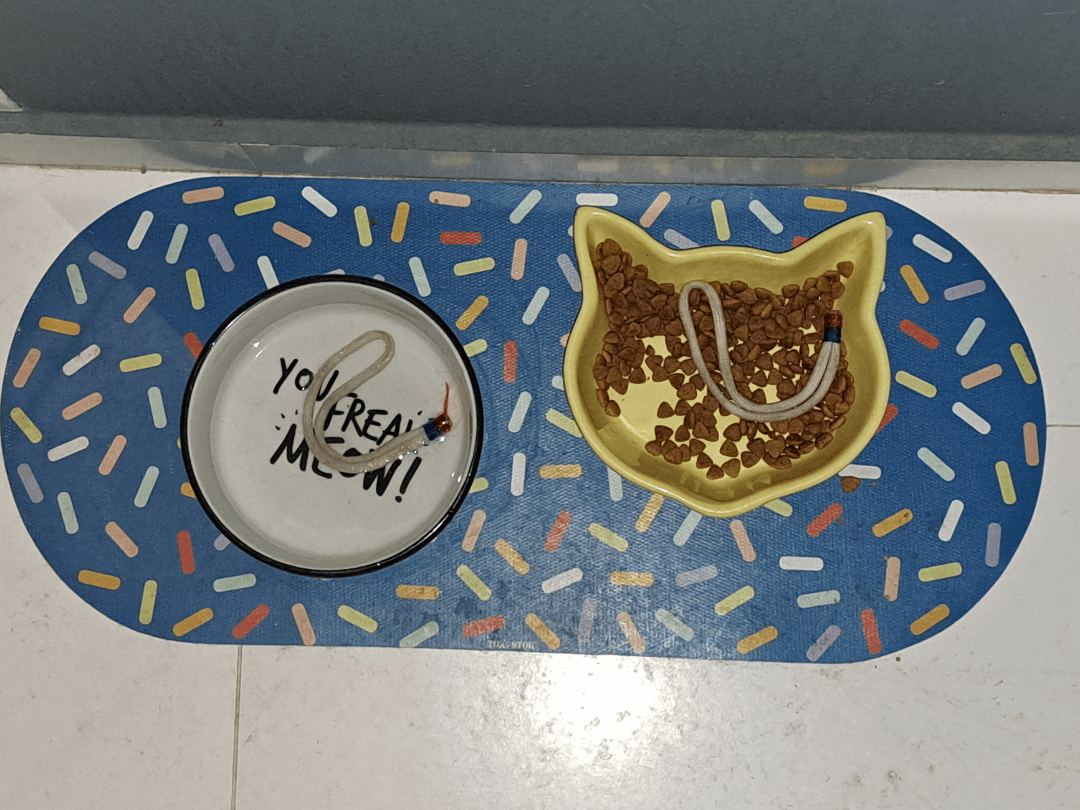
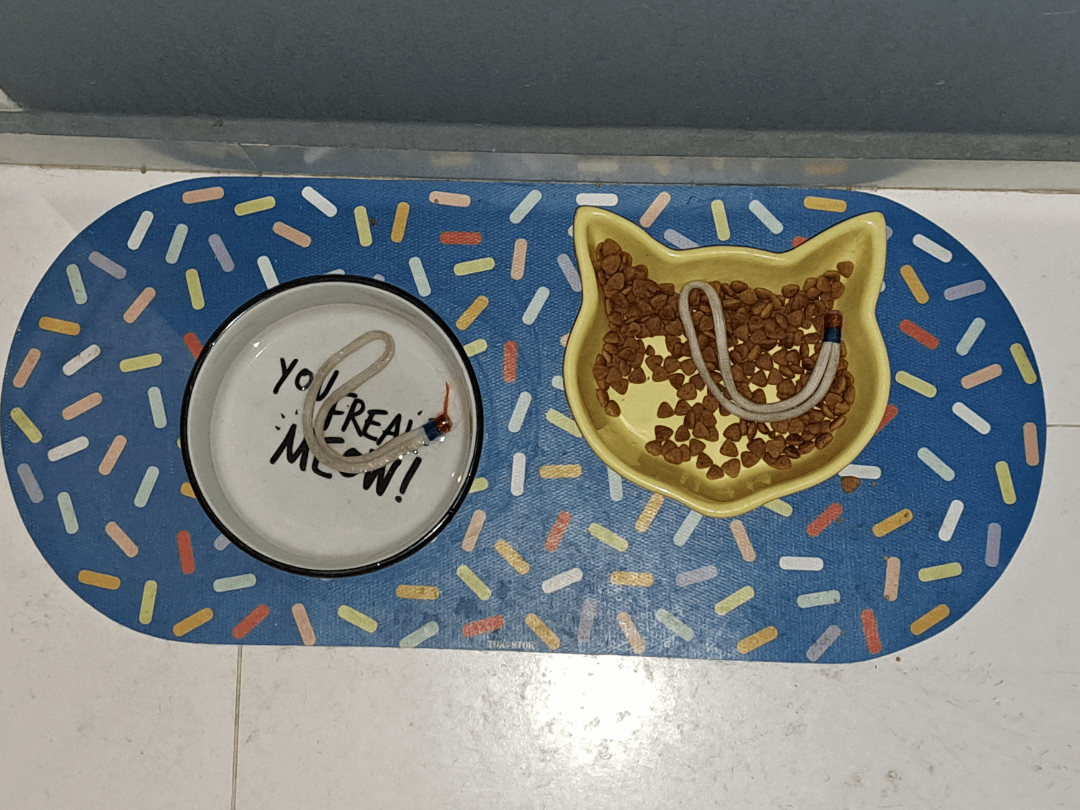
Have you ever found your cat dropping toys into their food bowl and wondered why? It might seem strange or even confusing at first.
But your furry friend isn’t just being playful—they’re sending you a message. Understanding this quirky behavior can help you connect better with your cat and keep them happy. Keep reading to discover the surprising reasons behind why your cat puts toys in the food bowl—and what it means for your special bond.
Cat Behavior And Instincts
Understanding why your cat places toys in its food bowl requires a look at its natural behaviors and instincts. Cats are driven by deep-rooted actions that often puzzle us. These instincts shape how they interact with their environment, including their toys and food.
Hunting Instincts
Your cat treats toys like prey, mimicking hunting behavior. Placing a toy in the food bowl can be a way of “storing” their catch, similar to how wild cats bring food back to a safe place. This action satisfies their natural urge to hunt and protect their food.
Have you noticed your cat carrying toys around? This is part of their instinct to secure their catch, even if the toy is just a soft mouse or a feather. Watching this behavior can help you understand their need to feel safe with their “prey.”
Territorial Marking
Cats use scent to mark their territory, and their food bowl is a personal space. When your cat puts toys in the bowl, it might be marking the area with their scent through the toy. This behavior asserts ownership over both the food and the space around it.
Think about your cat’s favorite spot or blanket. Similar marking happens there. Toys placed in the bowl add to the sense of security and control your cat feels over its environment.
Playfulness And Curiosity
Cats are naturally playful and curious creatures. Sometimes, putting toys in the food bowl is simply a form of entertainment or exploration. Your cat might be experimenting with the objects around them, testing textures and spaces.
Have you ever watched your cat bat toys around, then drop one in the bowl? It’s a small game for them, blending playtime with meal time. Encouraging this curiosity with safe toys can keep your cat mentally stimulated and happy.
Credit: www.tippaws.com
Reasons Behind Toy Placement
Have you ever noticed your cat carefully placing toys in their food bowl and wondered why? This behavior can seem puzzling, but it actually reveals a lot about your cat’s instincts and emotions. Understanding the reasons behind toy placement helps you connect better with your feline friend and respond in ways that make them feel secure and happy.
Storing Prey
Cats have a natural hunting instinct, even if they live indoors and play with toys instead of catching real prey. Placing toys in the food bowl mimics how wild cats store their catch to keep it safe for later. Your cat might be treating the bowl as a stash spot, showing a clever way of “saving” their prized catch.
This behavior is a sign of your cat’s instinctual need to protect their resources. Next time you see this, think about how you can offer safe spaces or hiding spots for toys to satisfy this urge.
Seeking Attention
Sometimes, your cat places toys in the food bowl to get your attention. If they notice you reacting, they learn this action brings interaction or playtime. It’s their unique way of saying, “Look at me!”
Try observing when they do this—does it happen when you’re busy or ignoring them? Responding with a few minutes of play can reinforce positive bonding and reduce this behavior if it becomes too frequent.
Expressing Possessiveness
Your cat may be showing possessiveness by placing toys in the food bowl. This spot is often seen as a safe and valuable area, so putting toys there signals “this is mine.” It’s a way to mark ownership in a non-aggressive manner.
Think about the layout of your cat’s feeding area—do other pets have access? Creating separate feeding and play zones can help reduce territorial stress and keep your cat calm.
Environmental Factors
Cats have curious behaviors that often leave us puzzled. One such behavior is placing toys in their food bowl. This peculiar habit may stem from various environmental factors. Understanding these factors can help us comprehend our feline friends better.
Bowl Location And Accessibility
The location of the food bowl plays a significant role. Cats prefer safe and quiet places to eat. If the bowl is in a high-traffic area, they might feel stressed. A toy in the bowl can be a comfort object, providing a sense of security. Ensure the bowl is easily accessible and in a calm spot.
Household Dynamics
Household dynamics greatly influence a cat’s behavior. Changes in the home, like new pets or guests, can cause anxiety. Cats use toys as a coping mechanism. Placing toys in the bowl might be a way to claim the space. It’s a method of marking territory, signaling comfort in familiar objects.
Changes In Routine
Routine changes can unsettle cats. Cats thrive on consistency. A sudden change in feeding times or household schedules can be distressing. Toys in the bowl might be a response to this disruption. It’s a way to deal with the uncertainty of new routines.

Credit: www.yahoo.com
How To Respond To This Behavior
Seeing your cat drop toys into their food bowl can be puzzling or even frustrating. Understanding how to respond can help you guide your cat’s behavior without stressing either of you. The key is balancing patience with practical steps that encourage better habits.
Encouraging Positive Play
Your cat might be mixing playtime with mealtime because they want your attention or are expressing natural hunting instincts. Redirect this energy by engaging your cat in interactive play sessions before feeding. Use wand toys or laser pointers to simulate hunting and tire them out.
After a good play session, your cat is less likely to treat their food bowl as a toy box. You can also praise or reward your cat when they play appropriately with toys away from their food area. This teaches them what behavior you expect.
Managing Feeding Areas
Keep your cat’s feeding spot separate and calm to discourage toy tossing. Place the food bowl in a quiet corner away from high-traffic or noisy areas. This helps your cat focus on eating rather than playing.
Try using shallow, heavy bowls that are harder to tip or move. You might also consider feeding your cat smaller portions multiple times a day to reduce boredom and food guarding. Have you noticed if your cat does this more when they’re hungry or restless?
Providing Alternative Toys
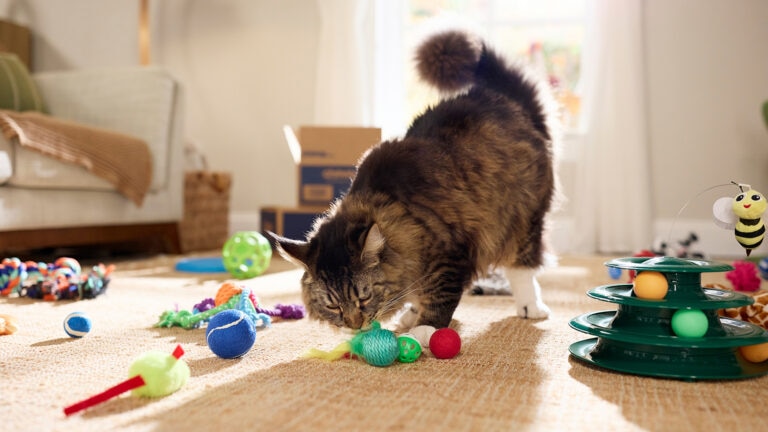
Some cats treat toys like prey and want to “store” them in safe places—sometimes that’s the food bowl. Give your cat plenty of alternatives to satisfy their hunting drive. Offer a variety of toys with different textures and sizes.
Rotate toys regularly to keep your cat interested and prevent boredom. Puzzle feeders or treat-dispensing toys also provide mental stimulation and reduce the urge to mix toys with meals. Watch which toys your cat prefers and make those more accessible outside mealtime.
When To Consult A Vet Or Behaviorist
Knowing when to ask for help with your cat’s odd habits is important. Putting toys in the food bowl might seem harmless but can signal deeper issues. A vet or behaviorist can provide guidance if the behavior causes concern. Watch closely for signs that suggest your cat needs professional care.
Signs Of Stress Or Anxiety
Changes in appetite or grooming habits may show stress. Your cat might hide more or seem restless. Sudden vocalizations or pacing can also be signs. These behaviors often come with toy placement in food bowls. Stress can affect health and behavior.
Unusual Or Aggressive Behavior
Aggression toward people or other pets is serious. Growling, hissing, or swatting can indicate problems. Sudden fear or defensive actions need attention. Unusual behavior changes should not be ignored. A vet or behaviorist can help identify causes.
Persistent Toy Hoarding
Collecting toys in the food bowl repeatedly may indicate obsession. This habit can interfere with eating or cause frustration. If your cat refuses to eat without toys present, it is a concern. Persistent hoarding can lead to stress and physical issues. Professional advice can guide safe solutions.
Credit: www.chewy.com
Frequently Asked Questions
Why Does My Cat Put Toys In The Food Bowl?
Cats often place toys in their food bowls as a form of play or to mimic hunting behavior. This action shows they treat toys like prey and associate the bowl as a safe spot to store their “catch. “
Is Toy Placement In Food Bowls A Sign Of Stress?
Toy placement is usually not a stress sign. Instead, it reflects natural instincts or playful behavior. However, if combined with other unusual actions, consult a vet for stress or health issues.
Does Putting Toys In The Food Bowl Mean My Cat Is Hungry?
Not necessarily. Cats may put toys in food bowls out of curiosity or for fun. It’s more about play and hunting instincts than indicating hunger.
How Can I Discourage My Cat From Using The Food Bowl As A Toy Spot?
Provide plenty of toys and playtime to keep your cat engaged. Use separate, designated toy areas to prevent mixing toys with feeding spots.
Conclusion
Cats putting toys in food bowls shows their playful and curious nature. This behavior helps them feel safe and entertained. It also reflects their hunting instincts and desire to keep treasures close. Watching your cat do this can be both funny and interesting.
Understanding why they act this way helps build a stronger bond. Remember, each cat is unique and may have its own reasons. Enjoy these little quirks and keep your cat happy and engaged. Simple actions like this make pet care more rewarding and fun.

Leave a Reply