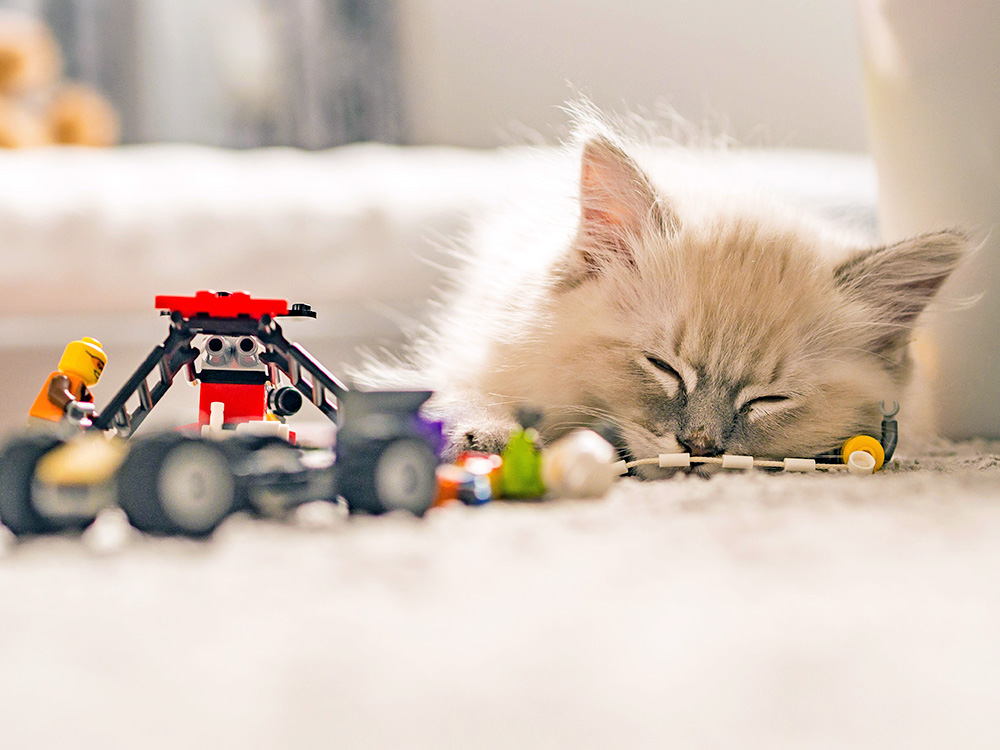
Have you ever noticed your cat licking their feather toys and wondered why they do it? It’s a curious behavior that can leave you scratching your head.
Understanding why your furry friend licks these toys can help you connect with them better and ensure their happiness. You’ll discover the surprising reasons behind this habit and what it means for your cat’s health and mood. Keep reading to unlock the secrets of your cat’s quirky licking!
Cat’s Natural Instincts
Cats have strong natural instincts that shape their behavior. These instincts come from their wild ancestors. Even house cats keep many hunting and survival traits. Understanding these instincts helps explain why cats lick feather toys. These toys mimic small prey and trigger deep-rooted behaviors.
Hunting Behavior
Cats are natural hunters. They use their senses to track and catch prey. Feather toys look and feel like birds or small animals. Licking the toy helps cats explore it like real prey. It also helps them taste and smell the “catch.” This licking is part of their hunting ritual before biting or playing.
Play And Simulation
Play is practice for hunting skills. Cats use toys to simulate the chase and capture of prey. Licking feather toys adds to the experience. It makes the play feel more real and satisfying. This behavior helps cats stay active and sharp. It also reduces stress and boredom in indoor cats.
Sensory Attraction
Your cat’s attraction to feather toys often goes beyond simple play. Sensory factors play a huge role in why your feline friend licks these toys. Understanding these can help you better engage with your cat and choose toys that truly stimulate them.
Texture And Taste
Feathers have a unique texture that cats find fascinating. The soft, delicate fibers mimic the feel of real prey, which can trigger your cat’s natural hunting instincts.
When your cat licks the feathers, they’re exploring the taste and texture more deeply. Have you noticed how your cat sometimes nibbles or gently bites on the toy? This behavior shows they’re trying to understand the object better, just like they would with actual prey.
Many cats enjoy the slight roughness combined with softness, which is different from most toys made of plastic or fabric. This sensory experience keeps them interested and engaged longer.
Smell Influence
Smell is a powerful sense for cats, and feather toys often carry interesting scents. The feathers might retain natural odors or pick up smells from your home, attracting your cat’s attention.
Sometimes, feather toys are sprayed with catnip or other scents that cats love. This can encourage licking as your cat tries to savor and investigate the smell further.
Have you ever noticed your cat licking a feather toy after you’ve handled it? Your scent might be mixing with the toy’s natural smell, creating a new sensory combination that intrigues your pet.
Comfort And Stress Relief
Cats often lick feather toys to feel calm and safe. This action helps reduce their stress and gives comfort. Licking mimics grooming, which soothes and relaxes them.
Cats often lick feather toys for comfort and stress relief. This behavior is rooted in their natural instincts. Licking mimics grooming, which is soothing for them. Feather toys provide a tactile experience similar to prey. This triggers a calming effect. Understanding these behaviors can help you support your cat’s well-being.Self-soothing Habits
Cats develop self-soothing habits to manage stress. Licking is one of them. It releases endorphins, which are natural feel-good chemicals. This makes them feel relaxed and secure. Feather toys offer a familiar texture. This familiarity helps them unwind. It can reduce anxiety during stressful situations.Calming Effects
The calming effects of feather toys are significant. The soft texture is comforting. It reminds them of their mother’s fur. This brings a sense of safety and peace. Licking can also distract them from stressful events. It shifts their focus to something pleasant. This helps maintain emotional balance.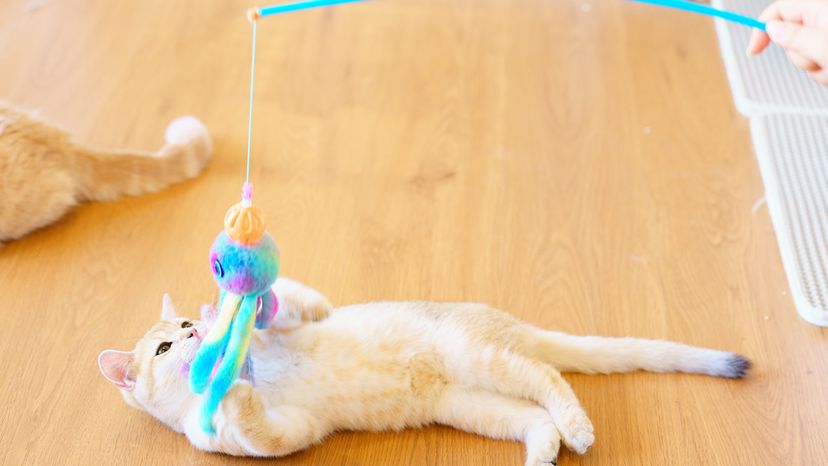
Credit: animals.howstuffworks.com
Health And Hygiene Factors
Understanding why your cat licks feather toys often leads to considering health and hygiene factors. Cats use their mouths to investigate the world, so licking might be more than just play. Sometimes, this behavior reveals underlying issues related to their oral health or possible allergies.
Oral Health Exploration
Your cat’s licking could be a way to check their teeth and gums. If they have mild discomfort or irritation, the texture of feathers might feel soothing. Watch for signs like drooling, bad breath, or reluctance to eat, which might indicate dental problems.
Have you noticed your cat focusing more on licking toys than usual? This could mean they are trying to relieve gum pain or clean their teeth. Regular dental check-ups can help catch issues early and keep your feline friend comfortable.
Potential Allergies
Sometimes licking feather toys signals an allergic reaction. Cats can be sensitive to dust, dyes, or materials used in the toys. If your cat licks the feathers excessively, check for redness, swelling, or itching around their mouth and paws.
Consider if your cat shows similar signs with other objects or food. Allergies can cause discomfort that leads to repetitive licking as a coping mechanism. Switching to hypoallergenic toys or consulting your vet might be necessary to protect your cat’s health.
Bonding And Attention Seeking
Cats licking feather toys often goes beyond simple play behavior. This act can be a way for your cat to bond with you and seek your attention. Understanding this can help you strengthen your relationship and make playtime more meaningful.
Interaction With Owners
When your cat licks a feather toy, it might be trying to include you in its play. Cats often associate these toys with positive moments spent with their owners. By licking the toy, your cat could be showing affection or inviting you to join the fun.
Have you noticed your cat bringing the toy to you after licking it? This is a clear sign it wants you involved. Responding with gentle petting or play can reinforce this bond and encourage more shared moments.
Playtime Rituals
Licking feather toys can be part of your cat’s unique playtime ritual. It might use the toy to simulate hunting and then lick it as if it were a prized catch. This ritual helps satisfy natural instincts while also creating a routine that your cat feels comfortable with.
Try observing your cat’s behavior during play. Does it lick the toy before or after pouncing? These little patterns can tell you a lot about your cat’s mood and needs. You can enhance playtime by joining in and making the experience more interactive.

Credit: www.amazon.com
When To Be Concerned
Not all cat licking is harmless. Sometimes, it signals a problem. Knowing when to be concerned helps protect your cat’s health. Watch closely for changes in licking habits or behavior.
Excessive Licking Signs
Excessive licking of feather toys can cause skin irritation or sores. Look for:
- Redness or swelling around the mouth or paws
- Bald patches on fur near the licking area
- Constant licking lasting more than 15 minutes at a time
- Bleeding or scabs forming on skin
If these signs appear, your cat may have an underlying issue that needs attention.
Behavioral Changes
Behavioral shifts often accompany harmful licking. Notice if your cat:
- Becomes more restless or agitated
- Shows less interest in eating or playing
- Hides or isolates more than usual
- Exhibits signs of stress or anxiety
These changes may indicate discomfort or emotional distress linked to licking habits.
Tips To Manage Licking
Managing your cat’s licking of feather toys helps maintain their health and keeps playtime fun. Licking is natural, but too much can irritate your cat’s mouth or damage toys quickly. Careful steps can balance their curiosity and safety.
Understanding how to guide this behavior allows both you and your cat to enjoy play without stress. Simple changes in toy choice and play style work well.
Safe Toy Selection
Pick toys made from non-toxic materials. Avoid feathers that can break off easily. Loose feathers may cause choking or digestive issues.
- Choose sturdy feather toys with secure attachments.
- Look for toys designed to withstand licking and biting.
- Replace worn toys promptly to prevent hazards.
Inspect toys regularly for damage or loose parts. Safety always comes first.
Redirecting Behavior
Guide your cat’s licking toward safe outlets. Offer alternatives that satisfy their need to lick and chew.
- Use soft rubber or silicone chew toys as substitutes.
- Engage your cat with interactive play to reduce licking focus.
- Reward your cat when they choose appropriate toys.
Consistent redirection helps your cat learn good habits. It also prevents destructive licking on feather toys.

Credit: www.amazon.ca
Frequently Asked Questions
Why Does My Cat Lick Feather Toys Often?
Cats lick feather toys to explore texture and taste. It mimics hunting behavior and helps them bond with their toys. Licking also releases cat pheromones, creating comfort and familiarity with the toy.
Is It Normal For Cats To Lick Feather Toys?
Yes, it is normal. Licking feather toys is part of natural play and sensory exploration. It helps cats engage with their environment and satisfies their instinctual urge to hunt and groom.
Can Licking Feather Toys Harm My Cat?
Generally, licking feather toys is safe if toys are intact. Damaged feathers or loose parts could be swallowed, causing choking or digestive issues. Always supervise play and regularly check toy condition.
Why Does My Cat Prefer Licking Over Biting Toys?
Licking provides sensory feedback and comfort, while biting is more aggressive play. Cats lick to soothe themselves and mimic grooming. This behavior indicates contentment and a gentle interaction with the toy.
Conclusion
Cats lick feather toys for many reasons. It helps them explore and feel safe. Licking also shows their love for the toy. Sometimes, it calms them when they feel nervous. Watching your cat enjoy the toy is fun to see.
Remember, this behavior is normal and healthy. Offer safe toys to keep your cat happy. Pay attention to how your cat reacts. This way, you can understand their unique personality better.


Leave a Reply