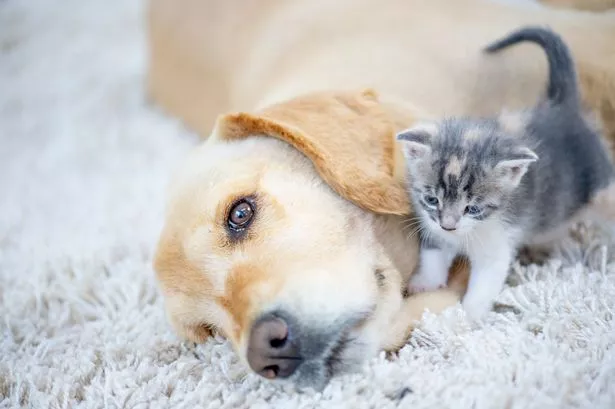
Are you curious if your cat can actually enjoy playtime with your dog? Many people assume cats and dogs just don’t get along, but that’s not always true.
Some cat breeds love to chase, pounce, and even cuddle with their canine friends. Imagine watching your furry companions having fun together, creating a bond that brings joy to your home. You’ll discover which cat breeds are most likely to play with dogs and how to encourage this friendly friendship.
Keep reading to find out if your cat could be the perfect playmate for your dog!

Credit: tryfurgo.com
Traits Of Dog-friendly Cats
Understanding the traits of dog-friendly cats helps you create a peaceful and playful home environment for both pets. Not all cats naturally get along with dogs, but certain characteristics make some breeds more inclined to enjoy canine company. Recognizing these traits can guide you in choosing a cat that fits well with your dog’s personality and lifestyle.
Social Nature And Temperament
Dog-friendly cats usually have a calm and outgoing temperament. They enjoy being around other animals and don’t mind sharing their space. If your cat is curious and tolerant, it’s more likely to accept a dog as a companion rather than see it as a threat.
Think about how your current cat reacts to strangers or new environments. Does it approach with interest or retreat quickly? Cats that show interest rather than fear tend to adapt better to living with dogs.
Energy Levels And Playfulness
Matching energy levels between your cat and dog matters a lot. Cats that are playful and active tend to bond well with dogs who want to engage in games and movement. A high-energy cat will appreciate a dog that enjoys interactive play rather than one that prefers to stay calm and low-key.
Have you noticed your cat chasing toys or running around the house? Those signs of playfulness indicate it might enjoy the boisterous presence of a dog. On the other hand, a laid-back cat might prefer a more gentle dog or less frequent interaction.
Adaptability To New Pets
Some cats are more adaptable than others when introducing new pets. Dog-friendly cats tend to be patient and willing to learn how to live alongside a dog. They don’t easily stress over changes in their environment or routine.
When you bring a dog home, watch how your cat responds. Does it explore the new presence cautiously or hide away? Cats that investigate and gradually approach the dog show signs of adaptability, making the transition smoother for everyone.
Credit: worldanimalfoundation.org
Popular Cat Breeds That Enjoy Dogs
Some cat breeds naturally enjoy the company of dogs, making them great companions in a multi-pet household. These cats tend to be more social, playful, and adaptable, which helps them bond with canine friends quickly. If you want a cat that will happily interact and play with your dog, consider these popular breeds known for their friendly nature.
Siberian Cats
Siberians are sturdy and affectionate cats who love companionship. They often get along well with dogs because they are playful and curious without being overly aggressive. Their calm demeanor helps them adjust easily to a dog’s energy level, making playtime enjoyable for both.
Maine Coons
Maine Coons are known as gentle giants in the cat world. They enjoy social interaction and are often described as dog-like in their loyalty and friendliness. Their playful spirit means they can keep up with a dog’s antics, and their patient nature helps avoid conflicts.
Ragdolls
Ragdolls are laid-back and affectionate cats who often seek out companionship. They are less likely to be startled by a dog’s presence and may even follow your dog around the house. Their easygoing personality makes them a perfect match for calm or moderately active dogs.
Burmese Cats
Burmese cats are energetic and love engaging with other pets. They enjoy playtime and can match a dog’s enthusiasm, which leads to great interactive sessions. Their social behavior means they’re less likely to hide or act shy around dogs.
Abyssinians
Abyssinians are highly active and intelligent cats who thrive on interaction. Their curiosity often drives them to explore and engage with dogs. If your dog enjoys games and activity, an Abyssinian can be a lively playmate.
How To Introduce Cats To Dogs
Certain cat breeds, like Maine Coons and Ragdolls, often enjoy playing with dogs. These cats are social and gentle, making introductions easier. Understanding their friendly nature helps create a happy pet family.
Introducing a cat to a dog can be both exciting and nerve-wracking. You might wonder if they’ll become best friends or simply tolerate each other. The key is a well-thought-out introduction process that ensures both pets feel safe and comfortable. By preparing your home and following a gradual introduction plan, you can increase the chances of a harmonious relationship between your furry companions.Preparing Your Home
Before bringing your cat and dog face-to-face, ensure your home is ready. Create separate spaces for each pet, complete with their own food, water, and litter box or potty area. This helps them establish their own territory and reduces initial stress. Think about using baby gates or pet barriers. These allow your pets to see and smell each other without direct contact. It’s a safe way to pique their curiosity without the risk of immediate confrontation. Ensure that your cat has high places to retreat. Cats often feel safer when they can observe from above, away from a dog’s eager reach.Step-by-step Introduction
Start by introducing your pets to each other’s scent. Swap their bedding or rub a cloth on one pet and let the other sniff it. This helps them become familiar with each other’s smell in a non-threatening way. Next, allow visual contact while still keeping them physically apart. Use the barriers you set up earlier to let them see each other from a distance. Observe their reactions closely—curiosity is a good sign, while aggressive postures may mean you need more time. Gradually increase their exposure over several days. Keep initial interactions short and sweet, gradually extending the time as they become more comfortable with each other.Managing First Interactions
The first face-to-face meeting is crucial. Keep both pets on a leash or harness initially. This gives you control to separate them if needed. Watch their body language closely. A wagging tail or relaxed posture indicates comfort, while growling or hissing means it’s time to give them more space. Reward calm behavior with treats and praise. Positive reinforcement helps both pets associate each other with good experiences. What if they don’t get along immediately? Be patient. Some pets take longer to adjust. Continue to supervise their interactions and provide separate spaces if needed. Have you ever introduced pets successfully? Remember, every pet is unique. Their personalities and past experiences play a role in how they interact. With patience and persistence, your cat and dog can learn to coexist, or perhaps even become the best of friends.Tips For Encouraging Play Between Cats And Dogs
Encouraging cats and dogs to play together creates a fun and friendly home. Both pets need time to get used to each other. Gentle, patient steps help them build trust and enjoy play. These tips support happy and safe interactions between your pets.
Using Toys And Games
Toys bring cats and dogs closer. Use interactive toys like feather wands or balls. Move toys slowly to catch their attention. Choose toys both animals can enjoy safely. Play sessions help pets bond and share fun moments.
Positive Reinforcement
Praise pets when they play nicely together. Use treats or kind words to reward good behavior. Positive reinforcement encourages pets to repeat friendly actions. Stay calm and patient during their interactions. This builds trust and confidence between them.
Respecting Boundaries
Watch pets for signs of stress or fear. Let them have quiet spaces to rest alone. Avoid forcing play if one pet feels uncomfortable. Give each animal time to adjust at their own pace. Respecting boundaries keeps play safe and pleasant for both.
Signs Of A Healthy Cat-dog Relationship
Recognizing the signs of a healthy cat-dog relationship can help you create a harmonious home for your furry friends. When cats and dogs get along well, their behavior shows clear signs of comfort and trust. Understanding these signs lets you support their bond and prevent conflicts before they start.
Shared Resting Spots
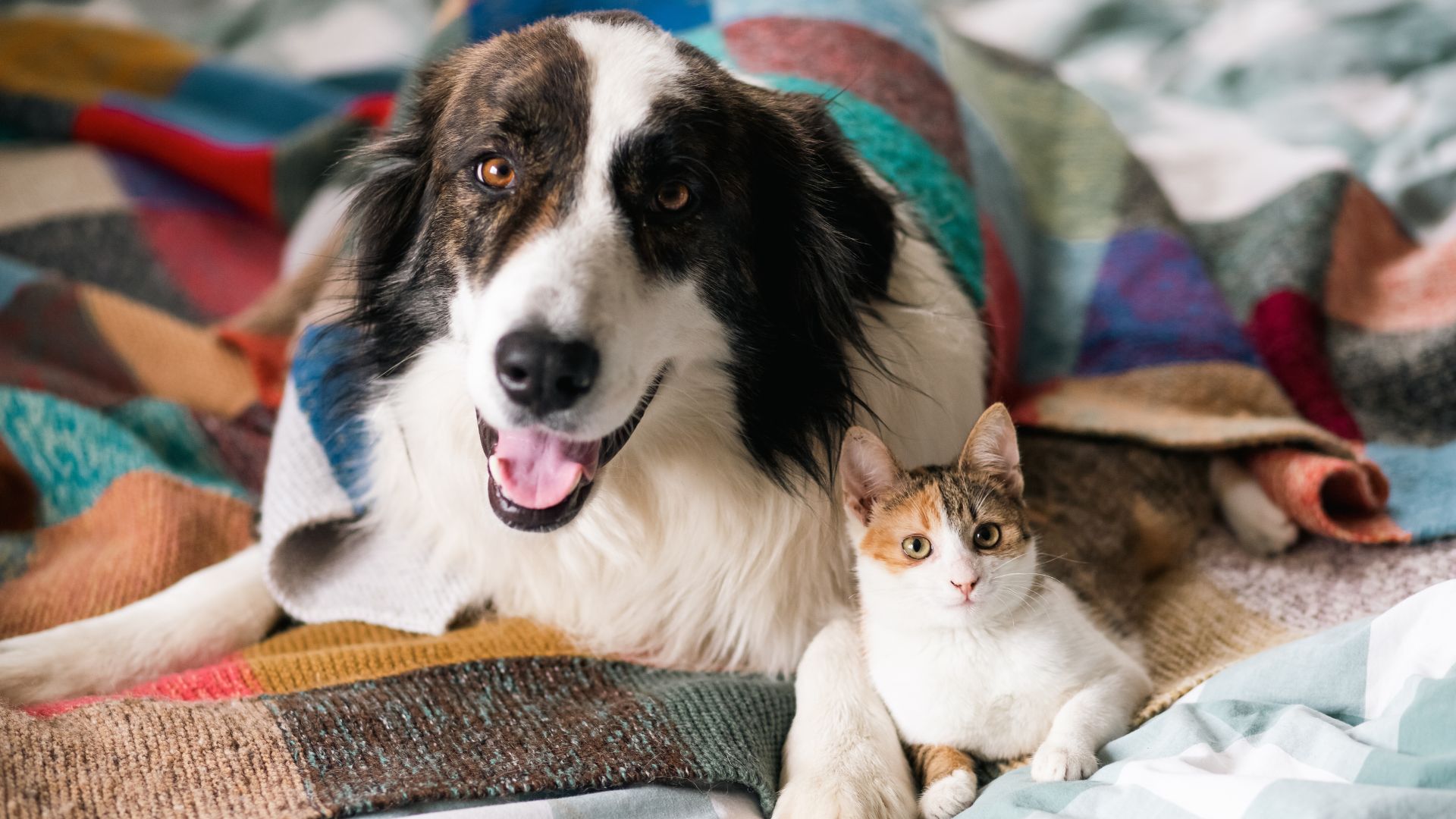
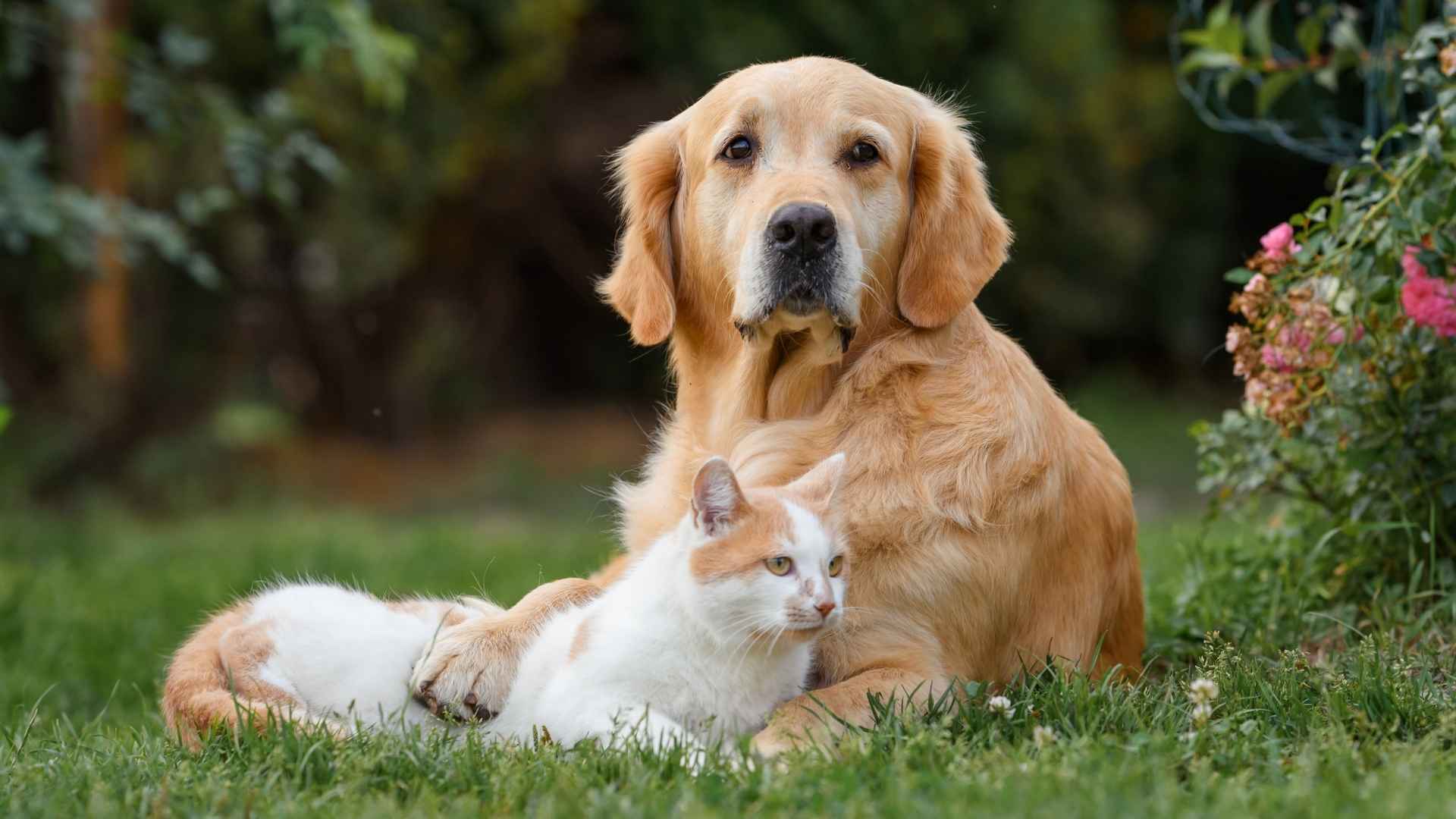
One of the clearest signs that your cat and dog are comfortable with each other is when they choose to rest close together. You might find them curled up on the same blanket or sharing a cozy corner. This close proximity shows they trust each other and feel safe in each other’s presence.
Have you noticed your pets picking a shared spot to relax? It’s not just about warmth; it’s a sign they enjoy each other’s company. This behavior often develops over time, so patience is key.
Mutual Grooming
Mutual grooming between cats and dogs goes beyond cleanliness—it’s a powerful sign of affection and bonding. When they lick or gently nibble each other, they’re showing acceptance and care. This behavior often starts with gentle, exploratory touches before becoming a routine interaction.
If your dog gently licks your cat or your cat carefully nibbles your dog’s ear, it means they have a peaceful relationship. This type of grooming can reduce stress and strengthen their connection.
Cooperative Play Behavior
Play is a great way to tell if your cat and dog get along well. Instead of chasing each other aggressively, they engage in playful, gentle interactions that show respect for boundaries. Look for playful chasing, soft pouncing, or shared toys without signs of fear or aggression.
Does your cat invite your dog to play by swatting softly or running away playfully? Does your dog respond without overwhelming your cat? These moments reveal a healthy, balanced relationship.
Credit: worldanimalfoundation.org
Common Challenges And How To Overcome Them
Introducing cats and dogs to play together can bring joy but also challenges. These challenges often arise from natural instincts and behaviors. Understanding these common issues helps create a peaceful home for both pets.
Dealing With Territorial Behavior
Cats and dogs may feel the need to protect their space. This can cause tension and conflict between them. Creating separate areas for each pet helps reduce stress. Use baby gates or separate rooms during initial introductions.
Allow pets to explore each other’s scent before direct meetings. Swap bedding or toys so they get used to new smells. Positive reinforcement encourages calm behavior around shared spaces.
Handling Aggression Or Fear
Fear often triggers aggression in both cats and dogs. Watch for signs like growling, hissing, or raised fur. Avoid forcing interaction; let pets approach at their own pace. Calm voices and gentle petting build trust over time.
Provide hiding spots for cats to retreat safely. Dogs may benefit from training sessions to improve social skills. Consistency in routines helps pets feel secure and less anxious.
When To Seek Professional Help
Some behaviors need expert guidance. Persistent aggression or fear may require a trainer or behaviorist. Professionals offer tailored advice and training plans. Early intervention prevents problems from worsening.
Consult a vet to rule out medical causes for behavior changes. Working with professionals ensures safe and happy interactions between pets.
Frequently Asked Questions
Which Cat Breeds Are Friendliest With Dogs?
Breeds like the Maine Coon, Ragdoll, and Siberian are known for their dog-friendly nature. These cats are social, gentle, and often enjoy playing with dogs. Their calm temperament helps them adapt well to multi-pet households, making them great companions for dogs.
How Do Cats And Dogs Play Together Safely?
Supervision is key when cats and dogs play together. Introduce them slowly and provide separate spaces. Use toys to encourage positive interaction. Respect each pet’s boundaries to avoid stress or aggression. Consistent training helps maintain a safe and playful environment.
Can All Cats Play Well With Dogs?
Not all cats enjoy playing with dogs. Personality and early socialization play big roles. Some cats may feel stressed or scared around dogs. Choosing a breed known for sociability and introducing pets properly increases chances of positive play.
What Signs Show Cats Enjoy Playing With Dogs?
Cats that play with dogs often approach willingly, purr, and engage in play behaviors. They may chase, bat at toys, or rest near the dog. Relaxed body language and tail position indicate comfort and enjoyment during interactions.
Conclusion
Cats and dogs can become great friends. Certain cat breeds enjoy playing with dogs. These cats are often friendly, curious, and social. Their playful nature helps build strong bonds with dogs. Choosing the right cat breed can make pet life happier.
Patience and time help pets get along well. Watching them play together brings joy to any home. Friendly cats and dogs create a lively and warm atmosphere. Understanding which cats like dogs can guide your choice. Happy pets mean a happy family.



Leave a Reply