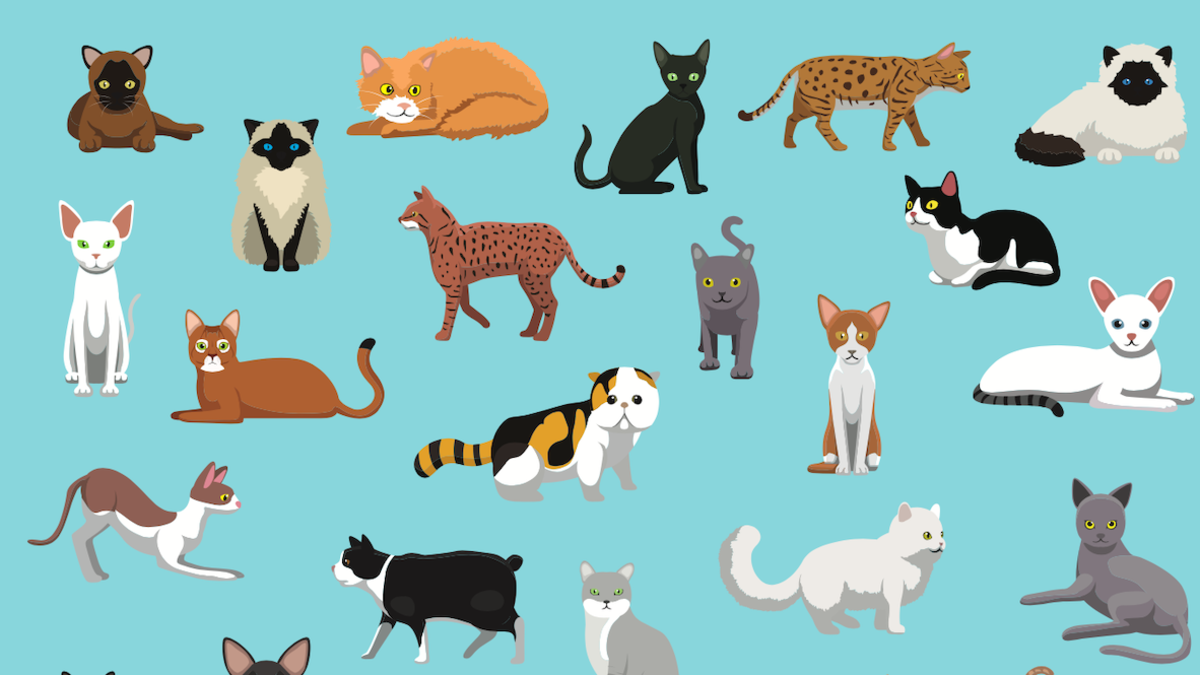
Are you curious about where your favorite cat breed stands in the world of feline registries? If you’ve ever wondered which registry recognizes the most cat breeds, you’re in the right place.
Knowing this can help you understand how diverse the world of cats really is—and where your pet fits in. Keep reading, and you’ll discover the top registry that celebrates the widest variety of feline breeds, plus why this matters to you as a cat lover.
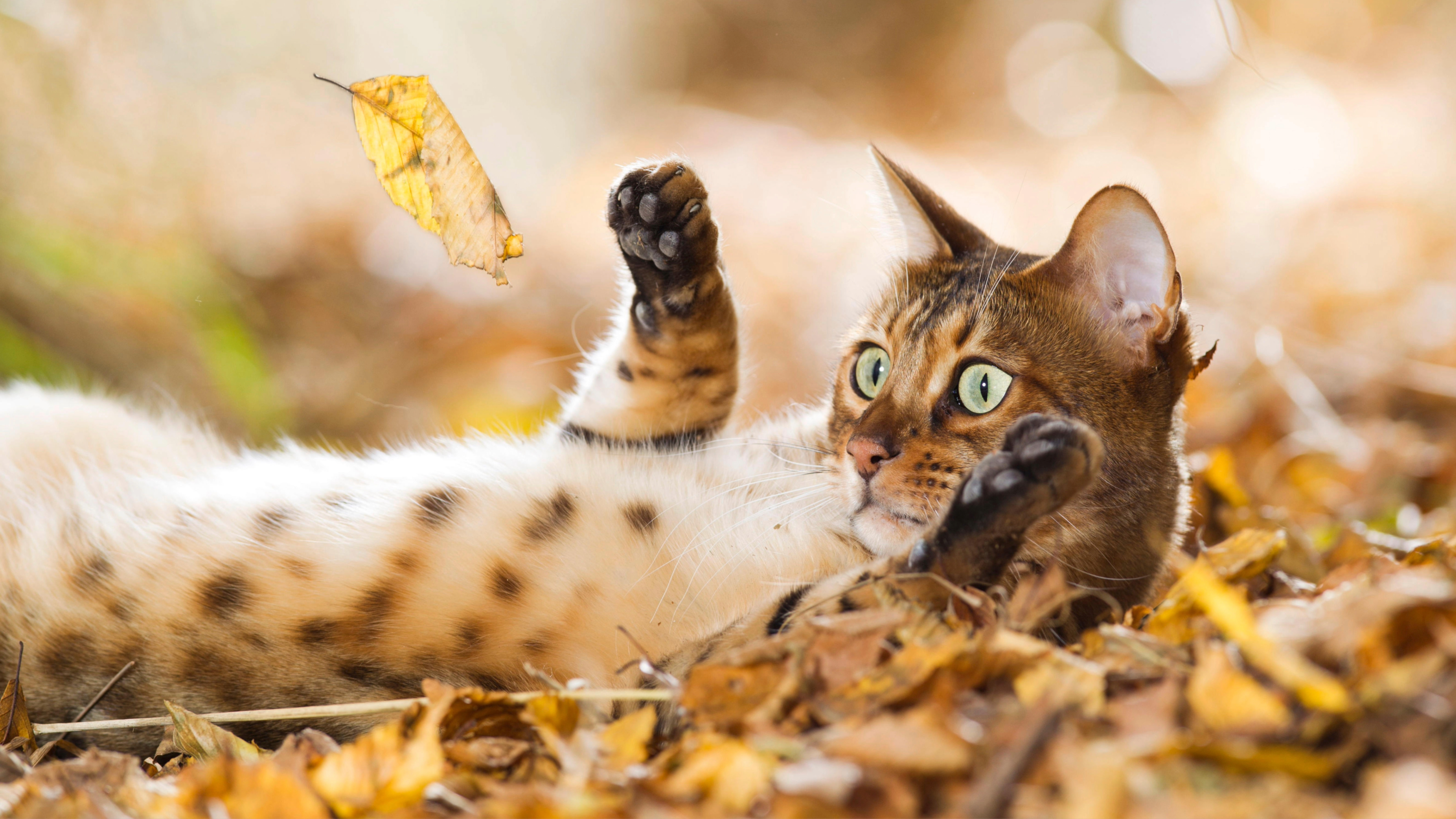
Credit: www.petsradar.com
Top Feline Registries
Feline registries play a key role in recognizing and preserving various cat breeds. These organizations maintain detailed records and set breed standards. They help breeders and cat lovers understand breed traits and histories. Some registries recognize more breeds than others, influencing breed popularity worldwide.
Cat Fanciers’ Association (cfa)
The CFA is one of the oldest and most respected cat registries. It officially recognizes about 44 cat breeds. The CFA focuses on promoting pedigreed cats and responsible breeding. It holds many cat shows and events globally. The association emphasizes health, temperament, and appearance in breed standards.
The International Cat Association (tica)
TICA is known for recognizing a large number of cat breeds. It registers over 70 different breeds. TICA supports both pedigreed cats and household pets in its programs. This registry encourages innovation by accepting new and experimental breeds. It has a worldwide presence with many active members.
Fédération Internationale Féline (fife)
FIFe is a European-based cat registry. It recognizes around 48 cat breeds officially. FIFe sets strict rules for breed registration and competitions. It promotes cat welfare and breeder education. FIFe organizes international shows and works closely with other registries.
Governing Council Of The Cat Fancy (gccf)
GCCF is the main cat registry in the United Kingdom. It recognizes about 44 cat breeds. GCCF maintains high standards for breed registration and events. It offers support for breeders, exhibitors, and cat owners. The council also works on cat health and breed preservation.

Credit: claringtonvet.ca
Breed Recognition Criteria
Breed recognition criteria play a key role in determining which feline registry accepts the most cat breeds. These criteria ensure that each breed is genuine and maintains its unique traits. Registries use strict rules to keep breed quality and authenticity high.
Each registry has clear steps for recognizing a new breed. The process involves detailed evaluation and approval before a breed becomes official. Understanding these criteria helps explain why some registries list more breeds than others.
Registration Process
The registration process starts with breeders submitting detailed information about the new breed. This includes the breed’s history, physical traits, and breeding records. Registries require proof that the breed is stable and can reproduce true to type.
After submission, the registry reviews the documents carefully. Some registries also require live demonstrations or samples. Only after thorough checks does the breed gain registration status.
Breed Standards
Breed standards describe the ideal look and behavior of each breed. These include size, coat type, color, eye shape, and personality traits. Standards help judges and breeders maintain consistency within the breed.
Registries often publish these standards publicly. They update standards as needed to reflect breed development. Clear standards allow for fair judging in cat shows and competitions.
Evaluation Committees
Evaluation committees consist of experts in feline genetics, breeding, and judging. They assess breed applications and monitor breed health and traits. These committees meet regularly to discuss new breeds and standards.
Their role is to ensure only healthy, well-defined breeds become recognized. They also handle disputes and help guide breeders in meeting registry requirements. Their expert judgment supports the registry’s credibility.
Number Of Recognized Breeds
Understanding the number of cat breeds recognized by various feline registries offers insight into the diversity of cats. Different registries recognize different numbers of breeds, reflecting unique standards and criteria. This section explores the breed count for major feline registries globally.
Cfa Breed Count
The Cat Fanciers’ Association (CFA) is one of the largest cat registries. It recognizes around 44 distinct cat breeds. Each breed meets specific standards set by the CFA. These standards ensure the maintenance of breed characteristics.
Tica Breed Count
The International Cat Association (TICA) has a broader recognition. TICA acknowledges over 70 cat breeds. This includes both traditional and newer breeds. TICA’s flexibility allows for a wider variety of recognized breeds.
Fife Breed Count
The Fédération Internationale Féline (FIFe) is a significant European registry. FIFe recognizes about 48 cat breeds. These breeds meet stringent European standards. FIFe emphasizes breed purity and heritage.
Gccf Breed Count
The Governing Council of the Cat Fancy (GCCF) operates mainly in the UK. It recognizes approximately 40 cat breeds. The GCCF maintains strict guidelines for breed recognition. This ensures the preservation of breed integrity.
Factors Influencing Breed Recognition
Breed recognition varies across feline registries due to several key factors. These factors shape which breeds gain official status and how many breeds a registry recognizes. Understanding these influences helps explain why some registries list more breeds than others.
Geographical Influence
Geography plays a big role in breed recognition. Registries often recognize breeds popular or native to their region. Local climate, culture, and cat populations shape breed development. Some breeds may be rare or unknown outside their home area. This affects how widely they are accepted by registries worldwide.
Historical Background
Historical events impact breed recognition over time. Breeds with long histories often gain early recognition. Registries may favor breeds documented in old records or bred for centuries. Wars, migrations, and trade routes have spread some breeds globally. Others remain isolated, limiting their official recognition.
Genetic Diversity
Genetic traits influence which breeds registries accept. Unique features and stable genetics help define a breed. Registries assess health, lineage, and distinctiveness. Some breeds show more genetic variation, making classification complex. A registry’s focus on genetics affects how many breeds it includes.
Impact On Cat Owners And Breeders
The feline registry that recognizes the most cat breeds can significantly influence your experience as a cat owner or breeder. It shapes what breeds you can work with, the shows you can enter, and even how popular certain breeds become. Understanding this impact helps you make better choices for your feline companions and breeding goals.
Breeding Opportunities
Having access to a registry with a wide variety of recognized breeds means you can explore breeding options that fit your interests and expertise. You can experiment with lesser-known breeds or focus on popular ones with established standards. This variety often leads to healthier breeding programs because you can select from a broader gene pool.
Imagine trying to breed a unique breed but finding it’s not recognized in the registry you follow. That limits your ability to register kittens or participate in breed-specific programs. The right registry opens doors, letting you register your cats officially and build your reputation as a breeder.
Show Participation
The number of recognized breeds directly affects your chances of entering cat shows. If your registry recognizes many breeds, you can showcase a wide range of cats, increasing your presence and visibility in the cat community. It also means more categories and classes to compete in, which can enhance your experience and success.
Have you ever attended a cat show and noticed the variety of breeds competing? Registries with extensive breed recognition encourage diverse participation, making shows more exciting for everyone. This diversity benefits you by offering more chances to win titles and gain recognition.
Breed Popularity
Registries that acknowledge many breeds help shape which cats become popular. Recognition often leads to increased demand, as breeders and owners gravitate toward officially accepted breeds. This can affect the market value and availability of certain cats.
If you’re thinking about adopting or breeding a specific breed, consider how registry recognition might impact your choice. Popular breeds tend to have more resources, community support, and veterinary knowledge available. Does your preferred breed have strong registry backing to support your long-term plans?
Trends In Feline Breed Recognition
Feline breed recognition is constantly evolving as new breeds emerge and established ones undergo changes. Keeping track of these trends helps you understand how cat registries adapt to the growing diversity in the feline world. It also reflects shifting preferences among breeders and cat enthusiasts worldwide.
Emerging Breeds
Every year, new cat breeds gain attention and gradually earn recognition. Some start as experimental crosses, while others come from rediscovered natural populations. Take the Lykoi, often called the “werewolf cat,” which caught the eye for its unique coat and was recognized by major registries after a few years.
If you’re a breeder or enthusiast, following emerging breeds can give you a glimpse into future trends. Are you curious which traits are becoming popular? Spotting these early can help you stay ahead in the feline community.
Breed Mergers And Splits
Registries sometimes merge similar breeds or split one breed into multiple categories. This happens when genetic studies reveal closer or more distinct relationships than previously thought. For example, the recognition of separate color variations or coat types can lead to splitting one breed into several.
Such changes affect how breeders register their cats and how competitions are judged. Have you noticed your favorite breed changing over time? These adjustments keep breed standards accurate and relevant.
Changes In Standards
Breed standards are not set in stone; they evolve to reflect health concerns, aesthetics, and breed identity. Registries update descriptions to promote well-being or to clarify physical traits. Sometimes, a change in standards can mean the difference between acceptance and rejection at cat shows.
For you, understanding these changes is crucial if you show cats or breed for specific traits. It’s worth asking: how do these updates influence your approach to breeding or selecting a feline companion?

Credit: www.youtube.com
Frequently Asked Questions
Which Feline Registry Recognizes The Most Cat Breeds?
The Cat Fanciers’ Association (CFA) recognizes the most cat breeds. It currently registers over 44 distinct breeds. CFA is highly respected worldwide for breed standards and cat shows.
How Many Cat Breeds Do Major Registries Recognize?
Major registries like CFA, TICA, and FIFe recognize between 40 to 75 breeds. Each registry has different criteria and breed lists, causing variation in numbers.
Why Do Breed Recognition Numbers Vary Among Registries?
Breed recognition varies due to differing standards, regional preferences, and genetic research. Registries update breed lists based on new findings and breeder requests.
What Benefits Come From Registering Cats With Official Registries?
Official registration ensures breed authenticity, eligibility for competitions, and access to health records. It helps preserve breed standards and supports responsible breeding.
Conclusion
Choosing the right feline registry matters for cat lovers. Some registries list many breeds, while others focus on fewer. The registry with the most breeds offers wide variety and recognition. This helps breeders and owners find proper identification. It also supports preserving rare breeds.
Knowing which registry recognizes most breeds guides your choice. It makes cat registration clear and simple. Remember, each registry has its own rules and benefits. Explore carefully to find the best fit for your feline friend.


Leave a Reply