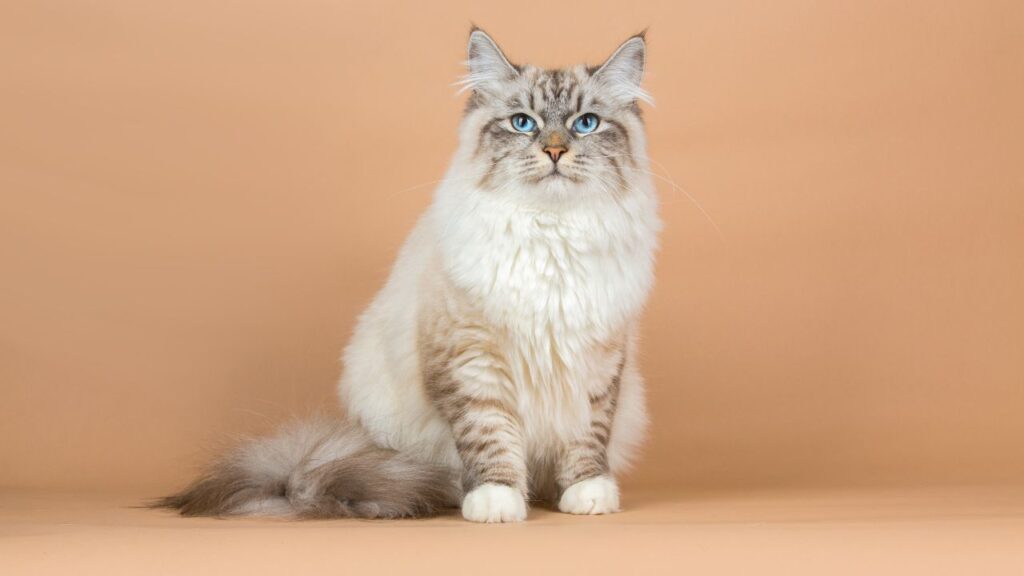
Are you curious about the biggest, most impressive cats you can bring into your home? Larger breeds of cats aren’t just about size—they often come with unique personalities and striking looks that make them stand out.
If you’ve ever wondered which cat breeds grow to be giants or how their size affects their care and lifestyle, you’re in the right place. Keep reading to discover the fascinating world of large cat breeds and find out which one might be the perfect fit for your family.

Credit: worldanimalfoundation.org
Largest Cat Breeds
Some cat breeds grow much larger than others. These large cats often have unique looks and gentle personalities. They attract many cat lovers who want a pet with a big presence. Large cat breeds are not only impressive in size but also in charm and affection. They bring warmth and fun to any home.
Maine Coon
The Maine Coon is one of the largest domesticated cats. It has a long, thick fur coat that helps it stay warm. These cats weigh between 10 to 25 pounds. Maine Coons are friendly and enjoy playing with people. They have tufted ears and bushy tails, giving them a wild look.
Savannah Cat
Savannah cats are tall and lean with long legs. They come from crossing domestic cats with wild servals. These cats can weigh up to 25 pounds or more. Savannahs have spotted coats and large ears. They are very active and enjoy climbing and exploring.
Norwegian Forest Cat
The Norwegian Forest Cat is strong with a thick, water-resistant coat. It can grow up to 16 pounds or more. This breed is built for cold climates and loves climbing trees. They have a friendly nature and get along well with families. Their fluffy tails and big paws stand out.
Ragdoll
Ragdolls are large and muscular cats with soft, silky fur. They often weigh between 10 to 20 pounds. These cats are known for their calm and gentle behavior. Ragdolls get relaxed when held, which gives them their name. They are great companions for quiet homes.
Chausie
Chausies are a mix of domestic cats and wild jungle cats. They are tall and muscular, weighing around 15 to 20 pounds. These cats have short coats with spots or stripes. Chausies are very active and enjoy playing games. They need a lot of attention and mental stimulation.
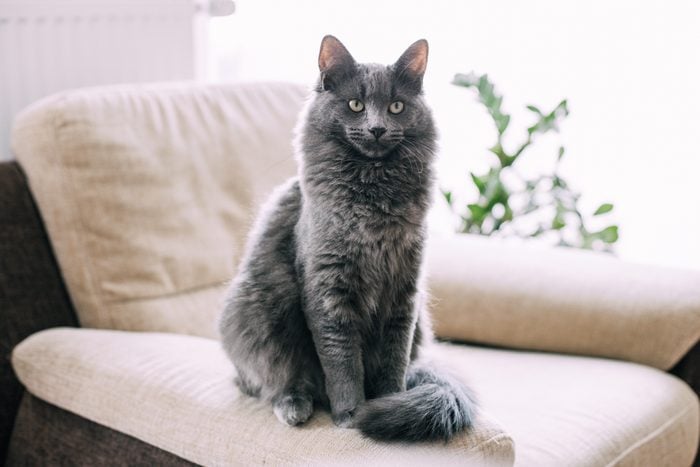
Credit: www.rd.com
Physical Traits Of Big Cats
The physical traits of larger cat breeds stand out strikingly compared to their smaller feline cousins. These traits not only define their majestic appearance but also affect their behavior and care needs. Understanding these characteristics can help you appreciate their unique beauty and accommodate their lifestyle better.
Size And Weight
Big cat breeds often reach impressive sizes, making them truly eye-catching. Some males can weigh between 15 to 25 pounds or even more, with females slightly smaller. This size difference influences how much space they need and how active they are daily.
Have you noticed how a Maine Coon’s size changes the way it moves compared to a typical house cat? Their bulk allows for strength but also means you must consider sturdier furniture and more room to roam.
Coat And Fur
These larger cats usually have thick, dense fur that can vary from long and fluffy to short and sleek. The Maine Coon, for instance, sports a luxurious, water-resistant coat that helps it handle colder climates. On the other hand, the Bengal’s short, shiny fur shows off its exotic spotted pattern.
Taking care of their coats often means regular grooming to prevent mats and tangles. Have you ever felt how soft a big cat’s fur is? It’s one of the joys of having these gentle giants around.
Body Structure
Big cat breeds tend to have robust, muscular bodies with broad chests and strong legs. This structure supports their greater weight and allows for graceful yet powerful movement. The Norwegian Forest Cat’s sturdy frame, for example, is perfectly designed for climbing and jumping.
Notice how their paw size often matches their overall bulk, giving them better balance and agility. If you’ve held one, you might have been surprised by their strong, yet gentle paws that seem built for both play and protection.
Temperament And Behavior
Larger cat breeds often show calm and friendly behavior. They enjoy being around people and adapt well to family life. These cats tend to be gentle but playful, making them great companions.
Understanding the temperament and behavior of larger cat breeds is essential if you’re considering adopting one of these majestic felines. Their size often comes with unique personality traits and social needs. By diving into their behavior, you’ll be better equipped to create a harmonious home environment for both you and your furry companion.Personality Traits
Larger cat breeds, such as Maine Coons or Ragdolls, are often described as gentle giants. They are known for their affectionate nature and often enjoy being involved in family activities. Despite their size, many are surprisingly laid-back and tolerant, making them great companions for families with children.Social Interaction
These cats thrive on social interaction and often seek out the company of their human family members. They tend to be friendly with strangers, which can make them a hit during gatherings. However, it’s important to provide them with plenty of attention and affection to prevent them from feeling lonely.Activity Levels
While larger cat breeds are generally more relaxed, they still need regular playtime to stay healthy and happy. They may not be as hyperactive as some smaller breeds, but they do enjoy interactive toys and games that challenge their intelligence. Regular play sessions not only keep them fit but also strengthen the bond between you and your cat. Do you have a larger cat breed at home? What unique behaviors have you noticed? Sharing your experiences can help others understand the joys and challenges of living with these magnificent creatures.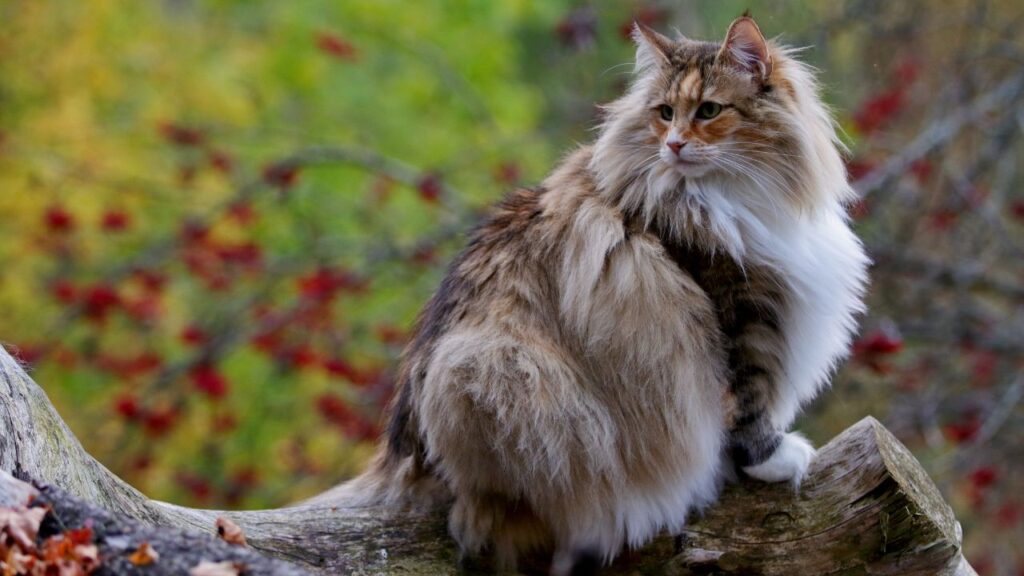
Credit: worldanimalfoundation.org
Care Needs For Large Cats
Large cat breeds have unique care needs that differ from their smaller counterparts. Their size impacts everything from what they eat to how they exercise and their health risks. Understanding these specifics helps you provide the best care, ensuring your big feline stays happy and healthy.
Diet And Nutrition
Large cats need a diet rich in high-quality protein to support their muscle mass. Feeding them the right portion size is crucial; too little can lead to malnutrition, while too much causes obesity.
Consider foods formulated for large breeds or those that support joint health. Adding supplements like omega-3 fatty acids can help keep their coat shiny and joints flexible.
Exercise Requirements
Big cats require regular exercise to maintain their physical and mental health. Without enough activity, they can become bored or develop weight problems.
Providing climbing structures, interactive toys, and daily playtime encourages movement. Have you noticed how your cat reacts to different toys? Use that to tailor their exercise routine.
Health Considerations
Large cats face specific health challenges like joint stress and heart conditions. Regular vet checkups help catch problems early and keep vaccinations up to date.
Watch for signs such as limping or reluctance to jump, which may indicate joint pain. Early intervention can make a big difference in their quality of life.
Choosing The Right Large Cat
Choosing the right large cat is more than just picking a breed that looks impressive. These gentle giants come with unique needs that can impact your daily life. Understanding what fits your environment and lifestyle helps ensure a happy home for both you and your new feline friend.
Living Space Compatibility
Large cats need room to move comfortably. If you live in a small apartment, some big breeds might feel cramped and stressed.
Consider breeds like the Maine Coon or Norwegian Forest Cat, which adapt well to indoor spaces but still require vertical climbing areas and cozy spots to relax. Do you have enough space for scratching posts, climbing trees, and play areas?
Family Dynamics
Think about who lives with you. Are there children, other pets, or elderly family members? Large cats often have calm temperaments, but each breed varies in how they interact with others.
For example, Ragdolls are known for their affectionate nature and usually get along well with kids and dogs. On the other hand, Savannah cats might be more energetic and need careful socialization.
How does your family’s activity level match the cat’s personality?
Time Commitment
Big cats often require more grooming and attention. Their thick fur can mat quickly without regular brushing.
Some breeds, like the Siberian, shed heavily and need daily care, while others are easier to maintain. Beyond grooming, consider the time you can spend playing and bonding.
Are you ready to invest the time needed to keep your large cat healthy and happy?
Frequently Asked Questions
What Are The Largest Cat Breeds In The World?
The largest cat breeds include the Maine Coon, Savannah, and Ragdoll. These cats are known for their impressive size and gentle nature. They can weigh between 15 to 25 pounds or more, making them some of the biggest domestic cats.
How Big Do Maine Coon Cats Grow?
Maine Coons are one of the largest domestic cats. Males can weigh 13-18 pounds, sometimes more. They grow up to 40 inches long including the tail. Their large size and friendly personality make them very popular pets.
Are Savannah Cats Larger Than Regular Cats?
Yes, Savannah cats are much larger than typical house cats. They can weigh 12 to 25 pounds and stand up to 17 inches tall. This breed is a hybrid of domestic cats and servals, known for their tall, lean bodies.
Which Cat Breed Is The Heaviest?
The heaviest domestic cat breed is usually the Maine Coon. Some males can weigh over 25 pounds. Their muscular build and long fur contribute to their impressive weight and size.
Conclusion
Larger cat breeds bring charm and strength to any home. They often have gentle personalities despite their size. These cats need space and care to stay happy. Knowing their traits helps you choose the right pet. Each breed offers a unique look and character.
Loving a big cat means enjoying their calm nature. They make wonderful companions for many families. Think about their needs before welcoming one inside. Big cats can fill your life with joy and warmth.


Leave a Reply