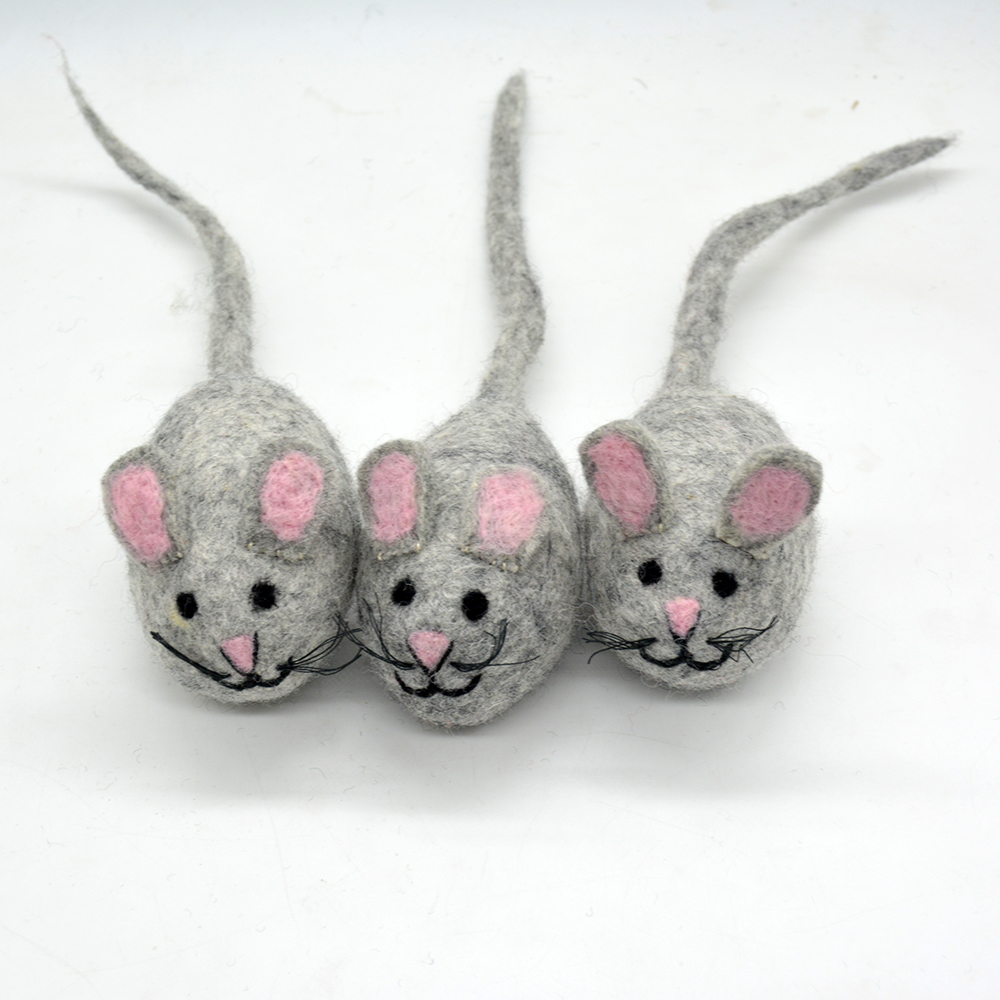
If you want to keep your cat happy and entertained, making a toy mouse is a simple and fun way to do it. You don’t need fancy materials or special skills—just a few things you probably already have at home.
Imagine watching your cat pounce, chase, and play with a toy you made yourself. It’s not only rewarding for you but also great exercise and mental stimulation for your furry friend. In this guide, you’ll discover easy steps to create a safe, engaging toy mouse that your cat will love.
Ready to make playtime extra special? Let’s get started!

Credit: subhasagun.com
Materials Needed
Gathering the right materials makes crafting a toy mouse easy and fun. Choose soft fabrics that feel nice to your cat’s paws. Pick safe stuffing to keep the toy light and cuddly. Don’t forget small extras to add charm and durability.
Fabric Choices
- Felt – soft and easy to cut
- Cotton – breathable and lightweight
- Fleece – warm and fuzzy texture
- Old denim – sturdy and long-lasting
Stuffing Options
- Polyester fiberfill – light and fluffy
- Fabric scraps – eco-friendly and soft
- Dried catnip – adds fun scent
- Cotton balls – natural and safe
Additional Supplies
- Needle and thread – for sewing parts
- Scissors – to cut fabric neatly
- Fabric glue – for quick fixes
- Small beads or buttons – for eyes (ensure secure attachment)
- Ribbon or yarn – to create tail
Basic Toy Mouse Design
Create a small, soft body using felt or fabric for the toy mouse. Attach a tail and ears with thread or glue to complete the simple design. Fill with catnip for extra fun and excitement.
Creating a toy mouse for your cat can be simple and fun. The basic design involves a few materials and steps. This homemade toy will provide hours of entertainment for your furry friend. Let’s dive into crafting the perfect toy mouse.Cutting The Fabric
Choose a soft fabric, like felt or cotton. These are gentle on your cat’s paws. Trace a mouse shape on the fabric. Make sure it’s big enough for your cat to play with. Cut out two identical pieces for the mouse body. Precision matters. Ensure both pieces are the same size. This helps in the sewing process.Sewing The Pieces
Align the two fabric pieces, with the inside facing out. Use a needle and thread to sew around the edges. Leave a small opening. You’ll need it to stuff the mouse. Sew tightly to avoid any gaps. This keeps the stuffing secure inside. Once sewn, turn the mouse inside out.Adding The Tail And Ears
Cut a small piece of string for the tail. Attach it to the back of the mouse. Use sturdy stitches for durability. Cut two small triangles for ears. Sew them onto the top of the mouse. Ensure they are securely attached. Your cat will tug on them during play. Now, your basic toy mouse design is complete!Creative Variations
Creative variations make toy mice more fun and enticing for cats. Changing simple details can keep your cat curious and playful. Small tweaks turn a plain toy into a favorite plaything. These ideas help you customize toys using easy materials at home.
Using Catnip For Attraction
Catnip makes toy mice irresistible for most cats. Sprinkle dried catnip inside the mouse or sew a small pouch. The scent excites your cat and encourages more playtime. Use fresh or dried catnip depending on availability. Remember, some cats do not react to catnip, so watch your cat’s response.
Incorporating Bells Or Rattles
Add small bells or rattles inside the mouse to create sound. The noise mimics real prey movements and grabs your cat’s attention. Secure the bell well to avoid choking hazards. Test the sound level to keep it pleasant, not scary. This variation stimulates your cat’s hunting instincts and makes play more engaging.
Adding Colorful Details
Bright colors make the toy mouse visually appealing. Use fabric scraps in bold shades or patterns. Add felt ears or tiny eyes with contrasting colors for extra charm. Sew or glue small fabric patches to create texture. These details catch your cat’s eye and make the toy more interesting.
Safety Tips
Safety is the top priority when making a toy mouse for your cat. A fun toy should never put your furry friend at risk. Taking the time to choose the right materials and design can prevent accidents and keep your cat happy and healthy.
Choosing Non-toxic Materials
Always pick materials that are safe if your cat decides to chew or lick the toy. Natural fabrics like cotton or felt are great choices. Avoid synthetic fabrics treated with harsh chemicals or dyes that could harm your cat.
Use stuffing that is non-toxic and free from small fibers that might come loose. Polyester fiberfill made for pet toys or organic cotton stuffing works well. Have you checked the labels on your craft supplies to make sure they’re pet-safe?
Avoiding Small Detachable Parts
Small parts like buttons, beads, or tiny bells can be choking hazards. Instead, sew on eyes and noses using embroidery thread to keep everything secure. If you want to add some noise, consider sewing a small crinkly fabric piece inside the toy instead of using loose bells.
Think about how your cat plays. Does your cat love to chew or bat toys aggressively? This can cause parts to loosen or fall off. Designing the toy without detachable pieces reduces the risk of swallowing dangerous items and keeps playtime worry-free.
Fun Play Ideas
Playing with your cat using a homemade toy mouse can turn ordinary moments into exciting adventures. These fun play ideas not only keep your cat active but also strengthen the bond between you and your furry friend. Let’s dive into some creative ways to make playtime more engaging and enjoyable for both of you.
Interactive Games
Try hiding the toy mouse under a blanket or behind furniture to encourage your cat’s natural hunting skills. Cats love the thrill of searching and pouncing, so letting them “catch” the mouse can be very rewarding.
Use a string to drag the mouse across the floor. Move it slowly at first, then speed up to mimic real prey. You’ll notice your cat’s excitement grow as they chase and swat at the toy.
Mix it up by tossing the toy mouse into the air or across the room. This unpredictable movement keeps your cat alert and entertained. Have you noticed how your cat’s eyes light up when the toy suddenly changes direction?
Storing Your Toy Mouse
Keeping your toy mouse in a special place makes it easy to find and keeps it in good shape. Choose a small basket or box where your cat can also see or smell the toy, which builds anticipation for playtime.
Rotate toys regularly to maintain your cat’s interest. If you have multiple toy mice, store them separately and bring out different ones on different days. This simple trick can prevent boredom and keep your cat eager to play.
Consider placing the toy mouse near your cat’s favorite resting spot. Seeing it nearby can encourage spontaneous bursts of play. How often do you find your cat batting around a toy when you least expect it?

Credit: smart.dhgate.com

Credit: subhasagun.com
Frequently Asked Questions
What Materials Do I Need To Make A Toy Mouse?
You need fabric, stuffing, thread, needle, and optional catnip. Soft fabric like felt works best. Catnip adds extra attraction for cats.
How Do I Safely Make A Toy Mouse For Cats?
Use non-toxic materials and sew seams tightly. Avoid small parts that can detach and cause choking. Ensure the toy is durable for rough play.
How Long Does It Take To Make A Toy Mouse?
It usually takes 20 to 30 minutes. Time depends on sewing skills and design complexity. Simple designs are quicker to finish.
Can I Add Catnip To The Toy Mouse?
Yes, catnip can be added inside the stuffing. It encourages playful behavior and mental stimulation. Use dried catnip for best results.
Conclusion
Making a toy mouse for your cat is simple and fun. You only need a few materials and a little time. Handmade toys keep your cat active and happy. They also save money compared to store-bought toys. Plus, your cat will enjoy a unique, safe plaything.
Try different colors and textures to see what your cat likes. Enjoy the process and watch your cat have fun. Creating toys can build a stronger bond with your pet. Give it a try today!


Leave a Reply