Have you ever noticed your cat licking itself or even another cat and wondered if it’s more than just cleaning? You might be surprised to learn that grooming can be a powerful way cats show who’s in charge.
Understanding why your feline friend grooms can reveal a lot about their feelings and social status. If you want to decode your cat’s secret signals and deepen your bond, keep reading—this could change the way you see your pet forever.
Cat Grooming Behavior
Cats spend a surprising amount of time grooming themselves and others. This behavior goes beyond just keeping clean—it plays a role in social interaction and communication among felines. Understanding how and why your cat grooms can reveal a lot about their relationships and even their emotional state.
Types Of Grooming
Cat grooming comes in several forms, each with a different purpose:
- Self-grooming:Cats lick their fur to remove dirt, loose hair, and parasites. This keeps their coat healthy and shiny.
- Allogrooming:When cats groom each other, usually around the head and neck, it builds trust and strengthens bonds.
- Overgrooming:Excessive grooming can signal stress, anxiety, or health issues. Noticing this early can help you support your cat’s well-being.
Have you ever caught your cat licking a friend or even you? This could be a sign of affection or a way to assert a gentle form of dominance.
Frequency And Patterns
How often your cat grooms varies by personality and environment. Most cats groom multiple times a day, especially after eating or waking up.
Patterns can tell you more than just cleanliness habits. For instance, a dominant cat may groom others more frequently to reinforce social hierarchy. On the other hand, a shy or stressed cat might groom itself obsessively as a coping mechanism.
Pay attention to changes in grooming habits. Is your usually tidy cat suddenly neglecting self-care? Or is there a sudden increase in grooming another cat? These behaviors offer clues about their social dynamics and health.
Social Dynamics In Cats
Cats have complex social lives, especially when living with other cats. Their actions, like grooming, often serve more than one purpose. Understanding their social dynamics helps explain behaviors that seem puzzling.
Grooming is not just about cleanliness. It can also show social bonds, status, or control within a group. Cats communicate a lot through body language and grooming habits. This communication shapes their interactions daily.
Hierarchy And Dominance
Cats naturally form a hierarchy in groups. Some cats take on dominant roles, while others are more submissive. Grooming can be a way to show dominance or submission.
- Dominant cats may groom others to assert control.
- Submissive cats often accept grooming to avoid conflict.
- Mutual grooming builds trust and strengthens bonds.
Dominance is rarely aggressive in grooming. It’s more about establishing roles peacefully.
Territorial Behavior
Cats are very territorial animals. Grooming helps mark territory through scent. When a cat grooms another, it shares its scent, signaling group membership.
- Grooming can reduce tension in shared spaces.
- Cats mark objects and other cats to define boundaries.
- Territorial grooming helps maintain peace in multi-cat homes.
This behavior reduces fights by clearly stating who belongs where.
Grooming As A Social Signal
Grooming in cats is much more than just a way to stay clean. It acts as a powerful social signal within their groups. Understanding these grooming behaviors can help you decode what your cat might be communicating.
Affiliative Grooming
When cats groom each other gently, they’re showing friendship and trust. This behavior is called affiliative grooming. It helps strengthen bonds and reduce tension among cats living together.
You might notice your cat licking or nibbling a companion’s head or neck calmly. This is a clear sign they feel comfortable and want to maintain a peaceful relationship.
Have you ever seen cats grooming each other after a minor disagreement? This action repairs social bonds quickly, showing that grooming is a key part of their conflict resolution.
Dominance Indicators
Grooming can also signal dominance, but it looks different from affiliative grooming. Dominant cats might groom subordinates more forcefully or in a way that restricts movement.
This behavior communicates control and hierarchy. The dominant cat asserts its status while the other cat accepts a lower rank by staying still or not retaliating.
Watch for subtle signs like the dominant cat initiating grooming and the other cat remaining passive. These moments reveal the social order without aggression.
Scientific Studies On Grooming And Dominance
Scientific studies explore if cats groom to show dominance. Researchers observe cat groups to understand this behavior. Grooming is common in cats, but its link to dominance is debated. Studies help separate grooming for hygiene from social reasons.
Research Findings
Studies show cats groom each other mostly to build bonds. Grooming acts as a social glue, reducing tension in groups. Dominance might influence who grooms whom, but it is not the main reason. Some research finds dominant cats get groomed more, while others do not. The evidence suggests grooming is about friendship, not power.
Behavioral Observations
Scientists watch cat interactions closely in natural settings. Grooming often follows play or rest times, not fights or threats. Cats groom those they trust and feel safe around. Dominant cats sometimes groom subordinates, but subordinates also groom dominants. Grooming patterns vary by group and individual personality. This shows grooming is complex, not just a dominance sign.
Grooming Between Cats And Humans
Grooming between cats and humans can show dominance. Cats may groom others to assert control or display affection. It’s a complex behavior that reveals social structure and relationships.
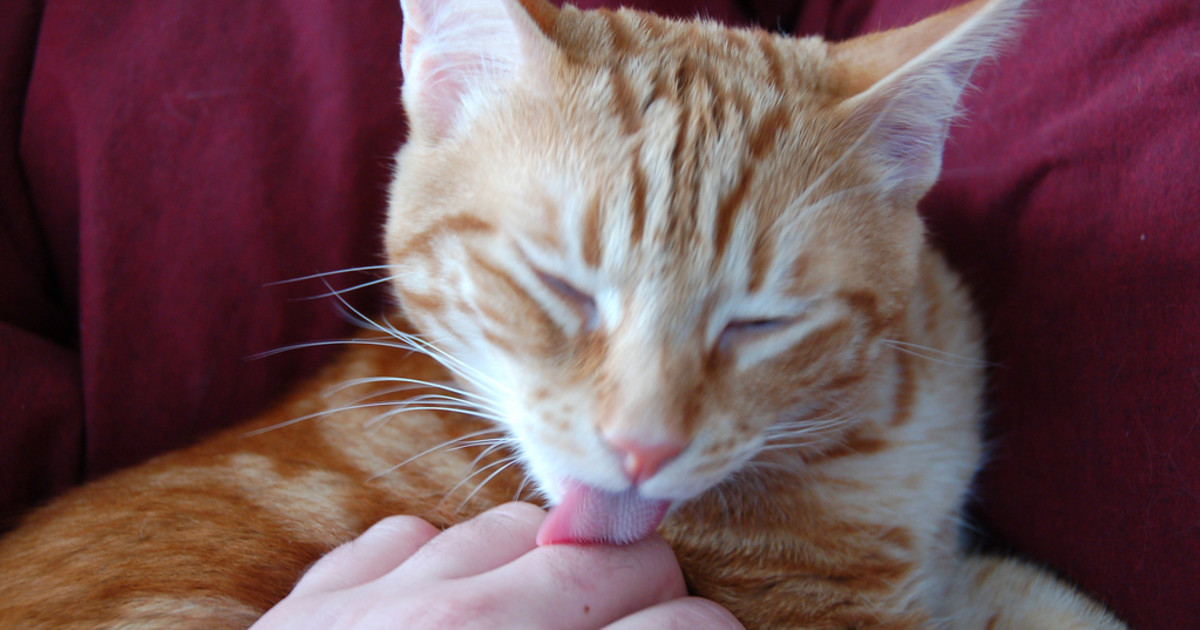
Grooming between cats and humans is a fascinating interaction that goes beyond simple hygiene. This behavior is often seen as a gesture of affection and connection. When your feline friend decides to groom you, it might be saying more than just “I like you.”Bonding And Trust
Grooming is a powerful trust exercise between cats and humans. When a cat licks you, it’s sharing a form of communication typically reserved for its closest companions. It’s a testament to the bond you share, indicating that your cat feels safe and secure in your presence. Consider the times your cat has chosen to groom you. It often happens during quiet moments when you’re relaxed. This mutual grooming can strengthen your relationship, making your bond even more special.Misinterpretations Of Behavior
It’s easy to misinterpret a cat’s grooming as a display of dominance. However, this isn’t usually the case with cats and humans. Cats groom each other to establish social bonds, not hierarchical positions. Sometimes, their grooming might feel a bit rough or persistent. You might wonder if this is a sign of control. In most cases, it’s simply a cat’s way of showing affection or marking you as part of its family. Have you ever pondered what goes through your cat’s mind during these grooming sessions? Understanding the nuances of this behavior can enhance the relationship you share with your feline friend. Embrace these moments, knowing that they are rooted in trust and companionship, rather than dominance.Factors Influencing Grooming Behavior
Cats groom for many reasons beyond cleanliness. Understanding what influences their grooming helps clarify if it links to dominance. Various factors affect how often and why cats groom themselves or others. These factors include physical condition and surroundings. Each plays a role in shaping grooming habits.
Age And Health
Young cats usually groom more often. They have high energy and healthy skin. Older cats may groom less due to joint pain or dental issues. Illness can also reduce grooming frequency. Sometimes, cats groom excessively when stressed or itchy. Health problems like parasites or allergies cause this behavior. Observing changes in grooming can signal health concerns.
Environmental Stressors
Stress impacts grooming behavior strongly. Loud noises, new pets, or changes at home can upset cats. Some cats groom more to calm themselves. Others may stop grooming due to anxiety. Crowded spaces or lack of safe spots increase stress. A stressed cat might groom other cats to show comfort or control. Recognizing stressors helps improve a cat’s well-being and social behavior.
Recognizing True Dominance Signs
Recognizing true dominance signs in cats requires careful observation. Cats use many signals to show control or submission. Understanding these helps prevent misunderstandings between pets and owners. Not all grooming means dominance. Sometimes, it is comfort or care. Distinguishing real dominance cues is key to reading cat behavior well.
Body Language Cues
Body language reveals much about a cat’s social rank. Dominant cats stand tall and move with confidence. Their tail is often upright, showing alertness and control. Ears point forward, not pinned back or sideways. Eyes stare directly without blinking too much. A relaxed but firm posture signals authority.
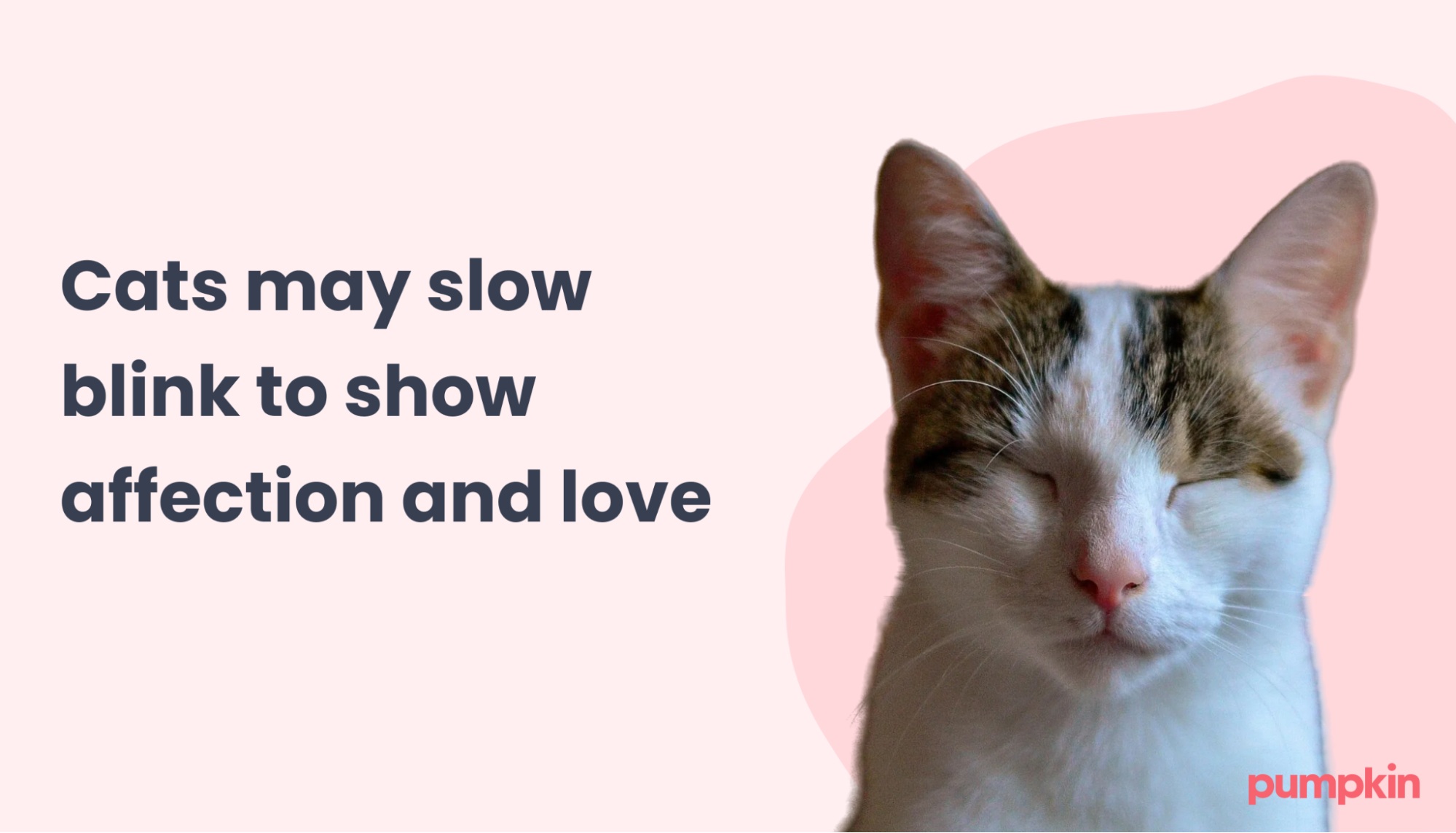
Submissive cats lower their bodies and avoid eye contact. Their tails may tuck close or flick nervously. They often crouch or retreat to a safe spot. Watch for slow blinking, a sign of trust or peace. Grooming another cat can be a gentle way to show care, not dominance.
Aggression Vs. Affection
Not all grooming signals dominance. Cats groom each other to build bonds and show affection. Aggressive grooming looks different. It may be rough, with biting or pinning down. Dominant cats might lick to assert control but stop before causing harm.
Affectionate grooming is soft and steady. Cats often groom those they trust deeply. They use gentle licking and kneading motions. If grooming is paired with purring and relaxed body language, it means love. Watch for growling, hissing, or swatting—that shows aggression, not care.
Frequently Asked Questions
Do Cats Groom Each Other To Show Dominance?
Cats groom each other mainly for social bonding, not dominance. Mutual grooming strengthens relationships and reduces stress among cats. Dominant cats may initiate grooming, but it is more about friendship than control or power.
Can Grooming Behavior Indicate A Cat’s Social Rank?
Yes, grooming can reflect social rank. Higher-ranking cats often groom lower-ranking ones, reinforcing their status. However, grooming is also a friendly gesture, so it should not be seen as a strict dominance display.
Why Do Cats Lick Humans In Grooming Style?
Cats lick humans as a sign of affection and trust. This behavior mimics grooming, which fosters bonding among cats. When cats lick their owners, they treat them like family members.
Is Over-grooming Related To Dominance Or Stress?
Over-grooming is usually linked to stress or health issues, not dominance. Cats may groom excessively when anxious or irritated. If your cat grooms too much, consult a vet for proper diagnosis.
Conclusion
Cats groom for many reasons beyond just showing dominance. Grooming helps them stay clean and feel calm. Sometimes, cats groom each other to build trust and friendship. It is a gentle way to connect, not always about power. Watching your cat’s grooming habits can tell you a lot about their mood.
Understanding these behaviors helps you care for your pet better. Remember, grooming is natural and often shows love, not control. Keep observing, and you will learn more about your cat’s unique ways.


Leave a Reply