Have you ever wondered if you can groom your cat with your tongue? It might sound strange, but many cat owners feel a strong bond that makes them want to care for their pets in unique ways.
Before you try this, it’s important to understand what’s safe for both you and your furry friend. Keep reading to discover the surprising facts about cat grooming and why using your tongue might not be the best idea. Your cat’s health and happiness depend on it!
Cat Grooming Basics
Understanding the basics of cat grooming is essential before you consider unusual methods like grooming your cat with your tongue. Cats have their own unique ways of keeping clean, and knowing why and how they groom themselves helps you provide the best care. Let’s look into the natural habits of your feline friend and why grooming matters so much for their health and happiness.
Why Cats Groom Themselves
Cats groom themselves primarily to stay clean. Their tongues have tiny, hook-like structures that help remove dirt, loose fur, and parasites. This natural behavior also cools them down and stimulates blood flow.
Grooming isn’t just about hygiene. It’s also a way for cats to relax and reduce stress. Have you noticed your cat licking its fur after a stressful event? That’s their way of calming down.
When you watch your cat grooming, you see a precise and efficient process. Trying to mimic this with your tongue can’t match the effectiveness and might confuse or irritate your cat.
Benefits Of Grooming For Cats
Grooming keeps a cat’s coat healthy and shiny. It helps distribute natural oils throughout their fur, which protects their skin and keeps their hair soft.
Regular grooming also reduces shedding and hairballs. Cats swallow loose fur during self-grooming, which can cause digestive issues if not managed well.
Grooming strengthens the bond between you and your cat when done with brushes or gentle strokes. It lets you check for ticks, wounds, or skin problems early.
- Reduces dirt and parasites
- Prevents matting and tangles
- Promotes healthy skin and fur
- Enhances relaxation and reduces anxiety
So, while your cat’s tongue is a perfect grooming tool for them, your hands and proper grooming tools are the best options for you. Ever wondered how much your cat appreciates a good brushing session? Try it and see their reaction!
Human Grooming Vs. Cat Grooming
Humans and cats have very different ways of grooming. Cats use their tongues to clean and care for their fur. People use tools like brushes and combs. Understanding these differences helps explain why using your tongue to groom a cat is not a good idea.
How Cats Use Their Tongues
A cat’s tongue is covered with tiny, hook-like structures called papillae. These hooks help remove dirt and loose fur. They also spread natural oils that keep the coat shiny and healthy.
Cats lick themselves to cool down and reduce stress. Their tongue acts like a built-in brush and comb combined. The rough texture is perfect for detangling fur and cleaning hard-to-reach spots.
Limitations Of Human Grooming Tools
Humans do not have rough tongues like cats. The human tongue is soft and smooth, not designed for grooming fur. Using your tongue on a cat can be uncomfortable or even harmful to them.
People rely on grooming tools such as:
- Brushes with soft or firm bristles
- Combs to remove mats and tangles
- Special gloves for gentle fur removal
These tools help remove loose fur and dirt safely. They also prevent hairballs and skin problems. Human grooming tools are made to protect the cat’s skin and fur while offering comfort.
Can Humans Groom Cats With Their Tongue?
Wondering if you can groom your cat with your tongue might sound unusual, but it’s a question that pops up when we think about how cats use their tongues for self-cleaning. Cats have a unique way of grooming themselves, and it’s natural to be curious about whether humans can mimic this behavior. Let’s look closely at why using your tongue to groom your cat isn’t a good idea for both biological and practical reasons.
Biological Differences
Cats’ tongues have tiny, hook-like structures called papillae that help them remove dirt and loose fur efficiently. Your tongue is soft and smooth, lacking these specialized features, so it can’t clean your cat’s fur the way a cat’s tongue does. Even if you try, you won’t be able to reach the same grooming effect, and your cat might feel uncomfortable or stressed.
Also, cats’ saliva contains enzymes that break down oils and dirt on their coat. Human saliva doesn’t have these enzymes, so it won’t help clean your cat’s fur. This means using your tongue won’t provide the same grooming benefits your cat gets when licking itself.
Hygiene Concerns
Using your tongue to groom your cat raises serious hygiene issues. Human mouths carry bacteria that are harmless to us but could cause infections in cats. At the same time, cats can carry germs in their fur and skin that might not be safe for you either.
Think about the risks: your saliva mixing with your cat’s fur could lead to skin irritation or even illness. Plus, cats often groom areas that humans don’t, such as around their rear or paws, which can carry bacteria and parasites. It’s best to avoid direct saliva contact to keep both you and your cat healthy.
Safety Issues
Attempting to groom your cat with your tongue can cause stress or even injury. Cats are sensitive creatures and may react unpredictably if you invade their personal space in this unusual way. You risk getting scratched or bitten if your cat feels threatened or uncomfortable.
Besides potential harm to yourself, you could accidentally hurt your cat’s skin or fur. Cats groom gently and know how much pressure to apply. Using your tongue lacks this control and could damage their delicate skin or cause discomfort.
Instead of trying to mimic your cat’s grooming, you can use proper tools like brushes or combs designed for cats. These options are safer, more effective, and build trust between you and your pet.
Alternatives To Tongue Grooming
Using your tongue to groom a cat is not safe or effective. Cats have special tongues designed for grooming. Humans need other ways to keep cats clean and healthy. There are many easy and gentle alternatives to tongue grooming. These methods help remove dirt and loose fur without hurting your cat.
Effective Grooming Techniques
Start by brushing your cat gently. Use slow, smooth strokes along the fur. Focus on places where fur mats or tangles form. Check ears and paws for dirt or debris. Wipe these areas softly with a damp cloth. Bathing your cat can help if it is very dirty. Use cat-friendly shampoo only. Make sure to dry your cat well to avoid chills. Regular grooming keeps your cat’s coat shiny and skin healthy.
Recommended Grooming Tools
- Soft-bristle brush:Good for short-haired cats. It removes loose fur and dirt.
- Flea comb:Helps catch fleas and small debris.
- Rubber grooming mitt:Gently massages and removes loose hair.
- Wide-tooth comb:Works well for long-haired cats to prevent tangles.
- Pet wipes:Useful for quick cleaning of paws and face.
Bonding Through Grooming
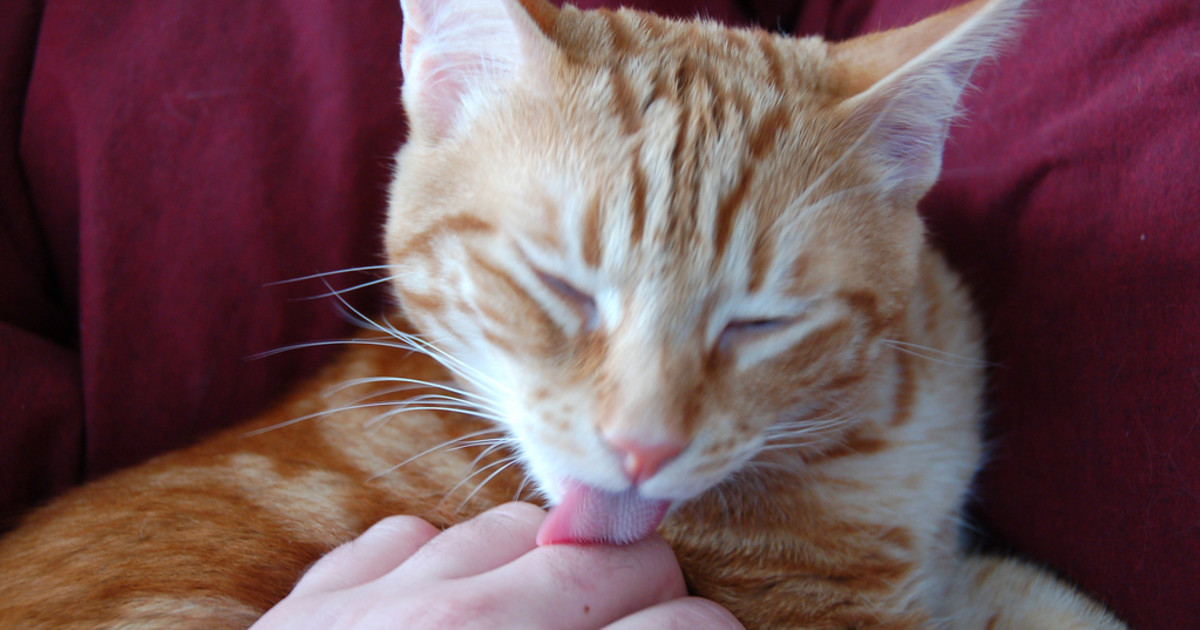
Cats groom each other with their tongues to build trust and show care. Mimicking this behavior by using your tongue can be uncomfortable and may confuse your cat. Using gentle brushes or hands is a better way to bond during grooming.
Bonding Through Grooming Grooming is more than just a necessity for your cat’s hygiene; it’s a profound way to strengthen your bond. When you groom your cat, you’re engaging in an activity that resonates deeply within their instincts and social nature. But can you really bond with your cat by grooming them with your tongue? Let’s explore how traditional grooming methods can build trust and understanding between you and your feline friend.How Grooming Builds Trust
Trust is a crucial element in any relationship, and grooming can be a gateway to building that with your cat. When you groom your cat, you’re mimicking the behavior of their mother, creating a sense of safety and care. This act of grooming allows them to feel secure and loved, which fosters a deeper connection. Consider how your cat reacts when you gently brush their fur. Each stroke is a comforting reminder of affection, telling them they’re safe in your hands. This mutual trust can lead to a more relaxed and affectionate cat.Signs Your Cat Enjoys Grooming
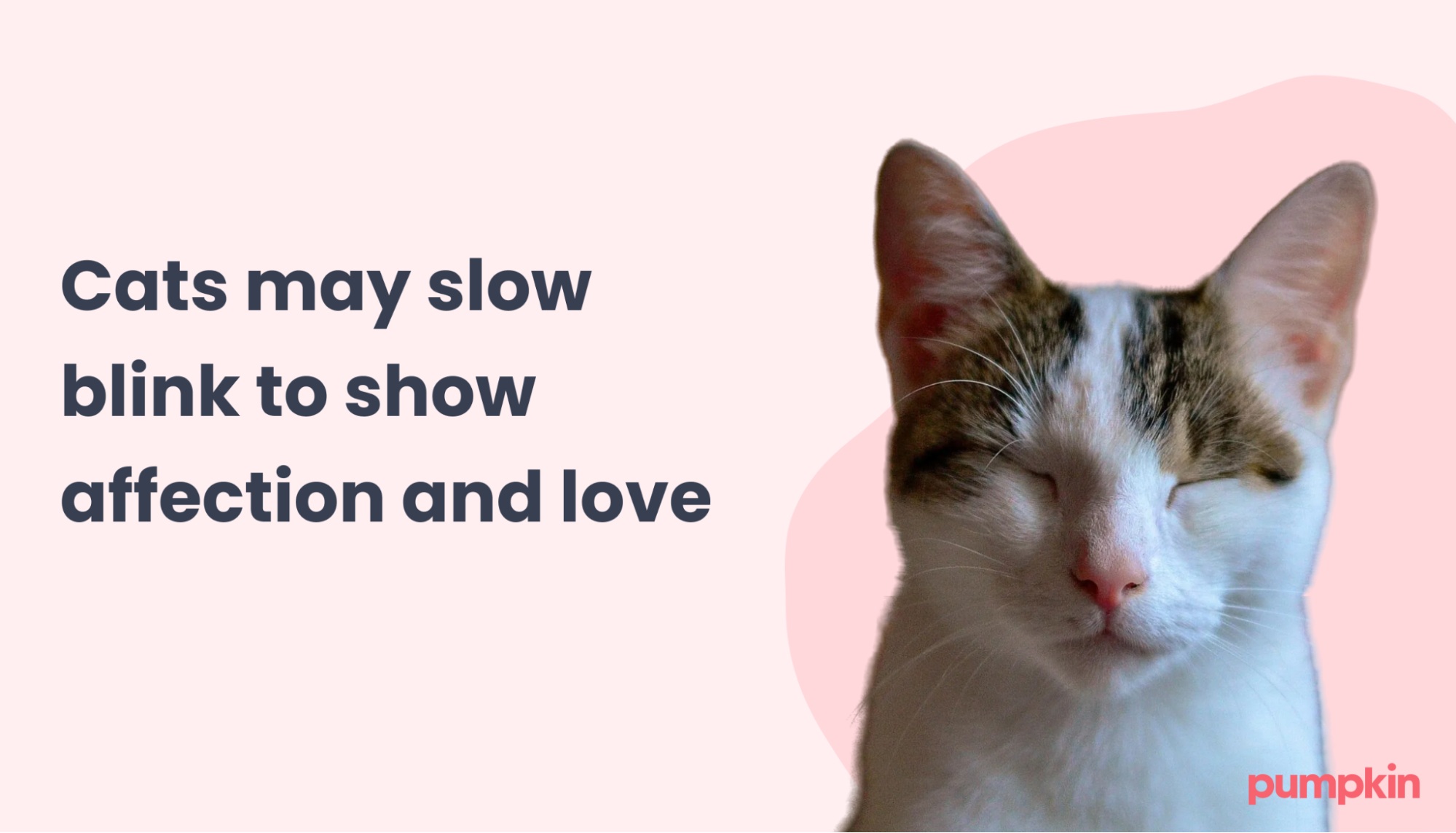
Recognizing whether your cat enjoys grooming can enhance your bonding experience. Look for signs such as purring, kneading, or leaning into the brush, which indicate they’re enjoying the moment. A relaxed posture and slow blinks are also clear signs of contentment. Some cats might even nudge you for more, showing they’ve associated grooming with pleasure. Pay attention to these cues and adjust your grooming routine to match their preferences. Grooming can be a delightful way to connect with your cat, but is using your tongue the right approach? Perhaps traditional tools and gentle strokes are more effective and appreciated. What are your thoughts on this unique bonding method?When To Seek Professional Help
Knowing when to seek professional help is key for your cat’s health. Grooming your cat with your tongue is not always safe or effective. Some issues need expert care. Recognizing these signs saves your cat from discomfort and health risks.
Grooming Challenges
Cats with thick or matted fur need special tools. Your tongue cannot remove tough knots or dirt. Older cats may have sensitive skin or arthritis. This makes grooming painful or difficult. Some cats resist grooming and become stressed. Professional groomers use gentle methods and proper equipment. They handle difficult grooming tasks safely and calmly.
Veterinary Advice
Skin problems require a vet’s attention. Redness, swelling, or sores need medical care. Fleas or ticks demand specific treatments. Your tongue cannot clean parasites effectively. If your cat shows signs of pain or illness, stop grooming. Vets can diagnose and treat underlying issues. Follow their advice for safe grooming practices. Regular check-ups keep your cat healthy and comfortable.
Frequently Asked Questions
Can I Groom My Cat With My Tongue Safely?
No, grooming your cat with your tongue is unsafe. Human saliva contains bacteria that may harm cats. Use proper cat grooming tools like brushes instead.
Why Do Cats Lick Themselves For Grooming?
Cats lick themselves to clean fur and remove dirt. Their tongue’s tiny hooks help detangle hair and spread natural oils for healthy fur.
Is Cat Saliva Safe For Humans?
Cat saliva can carry bacteria causing infections in humans. Avoid contact with cat saliva on open wounds or sensitive skin to prevent health risks.
How Often Should I Groom My Cat?
Groom your cat at least once a week. Long-haired cats need daily brushing to prevent mats and hairballs. Regular grooming promotes healthy skin and fur.
Conclusion
Cats clean themselves with their tongues for a reason. Using your tongue to groom your cat is not safe or hygienic. Your mouth carries germs that can harm your pet. Instead, use a soft brush or pet wipes for grooming.
Regular grooming keeps your cat happy and healthy. Remember, gentle care shows love better than anything else. Keep your cat clean the right way. It’s easy and safe. Your cat will thank you with purrs and cuddles.


Leave a Reply