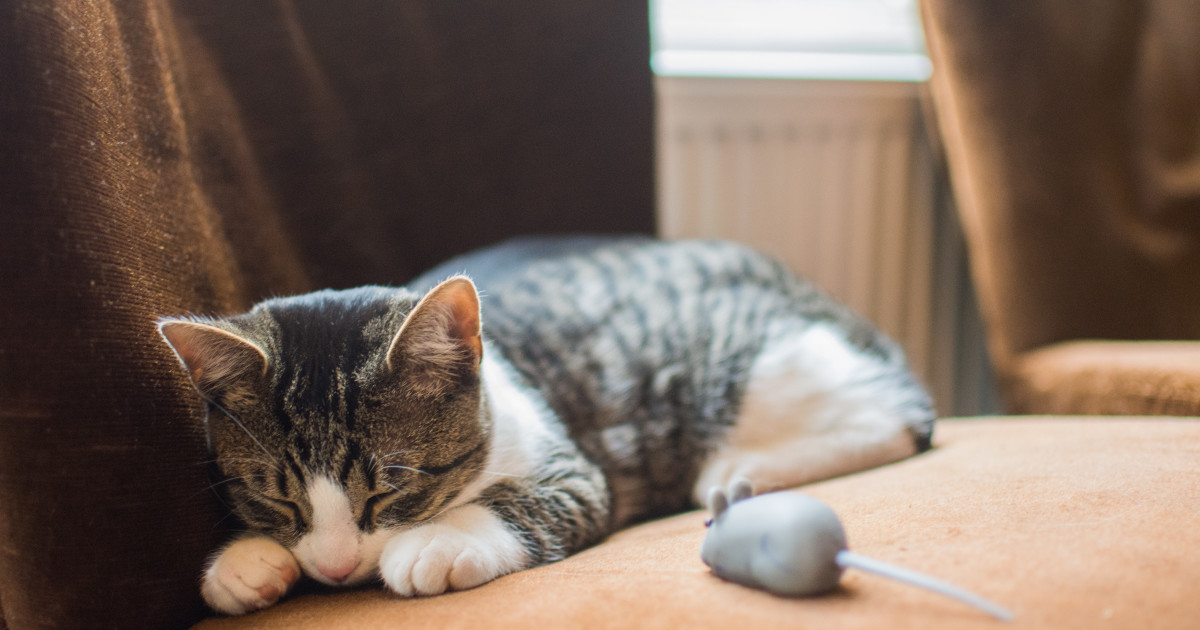
Are you tired of those pesky mice sneaking around your home? You might be surprised to learn that some cat breeds are natural-born hunters, perfectly suited to keep your space mouse-free.
If you want a furry friend who can help control those unwanted guests, understanding which cat breeds hunt mice can make all the difference. You’ll discover the top mouse-catching cats and why they excel at this age-old task. Keep reading to find the perfect feline companion that matches your needs and lifestyle.
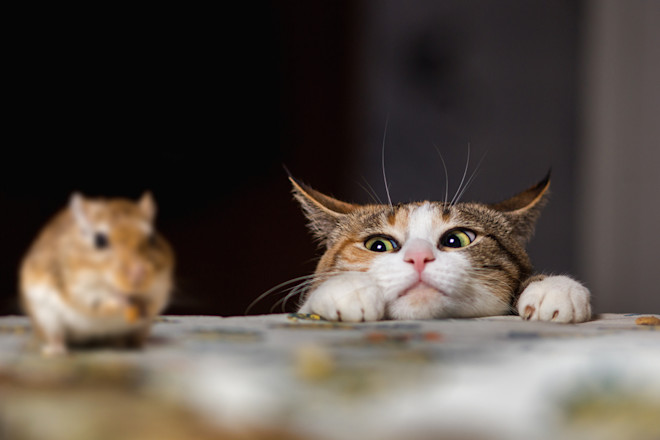
Credit: www.discovermagazine.com
Traits Of Effective Mouse Hunters
Understanding the traits that make a cat an effective mouse hunter can help you choose the right feline companion for pest control. These traits go beyond just breed—they are a mix of natural instincts, physical features, and behavior patterns. Let’s break down what really drives a cat to be a skilled hunter.
Instincts Behind Hunting
Cats are natural predators, and their hunting instincts are deeply ingrained. Even domestic cats retain the urge to stalk and catch prey, which is essential for mouse hunting.
Have you noticed your cat suddenly freeze and focus intently on a small moving object? That’s the hunting instinct kicking in. This built-in drive makes some cats more persistent and patient when tracking mice.
Physical Attributes
Speed and agility are key physical traits. Cats with slim bodies, strong muscles, and quick reflexes can chase and catch mice more efficiently.
Sharp claws and keen eyesight also give an advantage. Some breeds have longer legs or more flexible bodies, helping them squeeze into tight spaces where mice hide.
- Slender builds allow quick, silent movements.
- Large ears improve hearing of tiny noises.
- Whiskers help sense surroundings in the dark.
Behavioral Characteristics
Effective mouse hunters tend to be curious and alert. They explore their environment actively and respond quickly to movement or sounds.
Some cats show patience, waiting quietly for the perfect moment to strike. Others use playful pouncing and stalking techniques, which keep their skills sharp.
Does your cat chase toys or small insects often? That behavior often translates into mouse hunting abilities. Encouraging this natural play can sharpen their hunting skills even more.

Credit: www.petbook-magazine.com
Top Cat Breeds Known For Hunting Mice
If you’re looking to add a cat to your home that’s not only a loving companion but also an effective mouser, knowing which breeds excel at hunting can make a big difference. Some cats have a natural instinct and physical traits that make them excellent at catching mice and other small pests. Below are some of the top cat breeds known for their hunting skills, each with unique qualities that help them keep your home pest-free.
American Shorthair
American Shorthairs are famous for their strong hunting instincts. They have a muscular build and sharp reflexes that help them catch mice quickly and efficiently. Many owners notice how these cats turn pest control into a game, making them both effective and entertaining hunters.
Maine Coon
Maine Coons are large and sturdy cats with a natural curiosity and intelligence that enhance their hunting abilities. Their thick fur and tufted ears don’t slow them down—these cats move silently and patiently, waiting for the perfect moment to pounce. If you want a gentle giant who’s also an excellent mouser, the Maine Coon is a great choice.
Siamese
Siamese cats combine agility with sharp senses, making them excellent at tracking and catching mice. Their slender bodies allow them to slip into tight spaces where rodents like to hide. Plus, their vocal nature means they’ll often alert you to the presence of pests.
Bengal
Bengals have a wild look and an energetic personality that matches their hunting prowess. Their strong legs and quick movements make them natural-born hunters. If you want a cat that stays active and keeps your home rodent-free, Bengals are a top pick.
Turkish Angora
Turkish Angoras are graceful and quick, with sharp eyesight that helps them spot even the smallest movements. Their playful nature means they enjoy the chase, turning hunting into a fun activity. These cats often surprise owners with their unexpected hunting skills despite their elegant appearance.
How Hunting Skills Vary By Breed
Understanding how hunting skills differ among cat breeds can help you choose the right feline companion if you want effective mouse control. Not all cats hunt the same way or with the same intensity. Recognizing these differences can change how you train or support your cat in pest control.
Hunting Techniques
Different breeds use unique tactics to catch mice. Some rely on stealth and patience, like the Siamese, which will quietly stalk before pouncing.
Others, like the Bengal, use speed and agility to chase down their prey quickly. These variations affect how successful a cat will be depending on the environment.
Have you noticed your cat’s favorite hunting style? Paying attention can reveal their natural strengths.
Energy Levels
Energy plays a huge role in a cat’s hunting ability. Breeds like the Abyssinian have high energy levels and can tirelessly hunt for extended periods.
On the other hand, breeds such as the British Shorthair are more laid-back and may prefer short bursts of activity. This means your cat’s stamina impacts how frequently they will engage in hunting.
Think about your cat’s daily activity—does it match what effective hunting demands?
Adaptability To Environments
Some breeds adapt better to different surroundings, which influences their hunting success. For example, the Maine Coon thrives both indoors and outdoors, making it a versatile hunter.
Smaller or more delicate breeds might struggle in rough outdoor conditions but excel in indoor pest control. Matching your cat’s environment with its breed traits will maximize its hunting potential.
Is your cat in the right setting to make the most of its natural hunting skills?
Training Cats To Hunt Mice
Training cats to hunt mice taps into their natural hunting skills. Many cats have instincts to chase and catch small animals. Encouraging these instincts helps them become effective mousers. Training requires patience and a calm environment. Respecting the cat’s pace ensures better results and a happy pet.
Encouraging Natural Instincts
Give cats toys that mimic mice, such as small balls or feathered objects. Play with your cat daily to boost hunting behavior. Let them stalk and pounce in a safe space. Praise and reward them after play sessions. Avoid forcing your cat; let curiosity lead the way.
Safe And Humane Practices
Keep the training area free from harmful objects. Use soft toys instead of live bait. Monitor your cat’s health and stress levels during training. Prevent contact with poisons or traps used for mice. Ensure your cat’s vaccinations and vet check-ups are up to date.
Common Challenges
- Some cats may lack interest in hunting.
- Indoor cats might not develop strong hunting skills.
- Fear or anxiety can stop cats from chasing mice.
- Not all cats have the same hunting drive.
Patience and gentle encouragement help overcome these challenges. Understanding your cat’s personality is key to success.
Benefits Of Having A Hunting Cat
Certain cat breeds excel at hunting mice, helping keep homes free from pests. Their natural hunting skills provide practical benefits and companionship. Owning such cats reduces the need for chemical pest controls.
Having a hunting cat offers various benefits for your home. These agile creatures are not only companions but also effective natural pest controllers. Their instincts help keep your environment clean and safe. Let’s explore these benefits further.Natural Pest Control
Cats have a natural instinct to hunt mice. Their presence alone can deter rodents. A hunting cat actively reduces pest populations. This means fewer infestations in your home. A cleaner environment leads to peace of mind.Reducing Rodent-related Diseases
Rodents carry diseases harmful to humans. Cats help minimize this risk. By hunting mice, they reduce the chance of disease transmission. Your family stays healthier with fewer rodents around. It’s a natural way to protect your household.Companionship And Entertainment
Cats are not just hunters; they are companions. Their playful nature offers endless entertainment. Watching a cat hunt can be amusing and engaging. They bring joy and laughter to any home. A hunting cat is both a protector and a friend.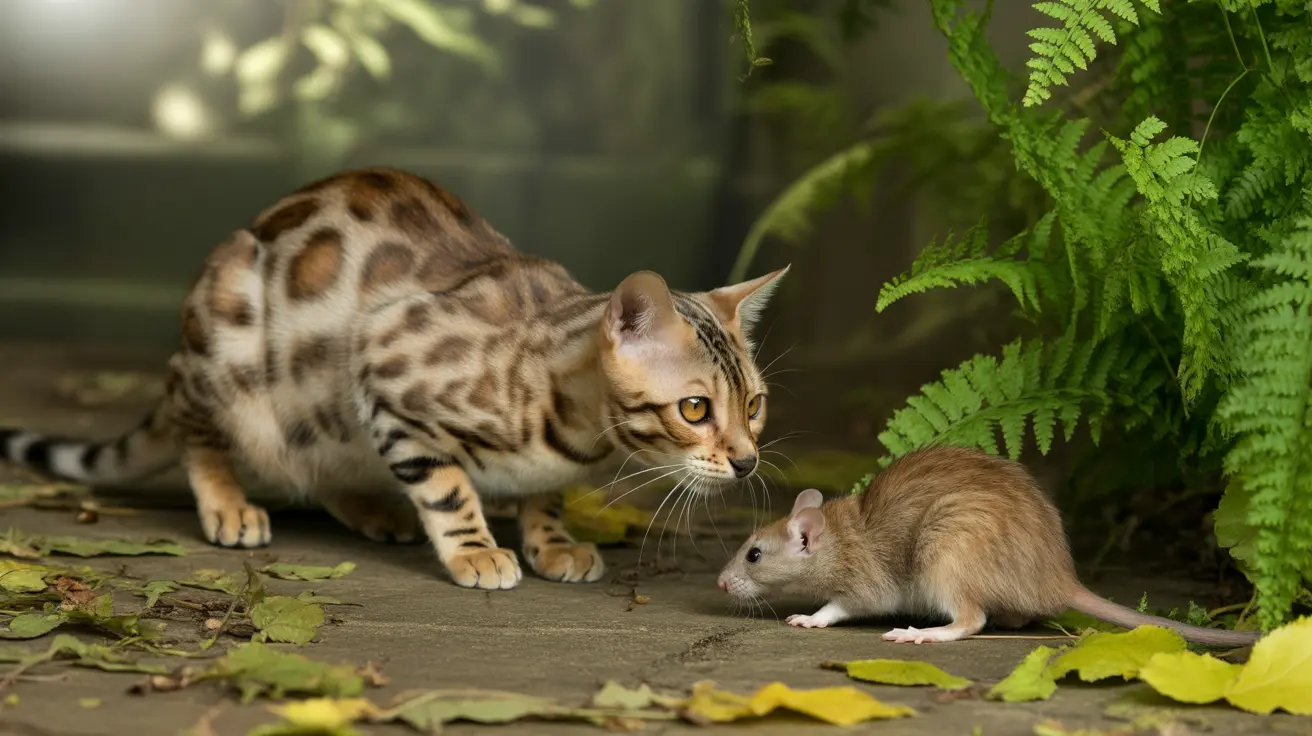
Credit: www.petscare.com
Alternatives To Hunting Cats For Pest Control
Cats are natural hunters, but some households prefer other options for pest control. Alternatives offer safe and effective ways to manage mice without relying on pets. These methods suit different needs and environments. Explore some popular choices below.
Electronic Repellents
Electronic repellents use sound waves to drive mice away. These devices emit high-frequency noises that pests dislike. They are safe for humans and pets. Easy to install and maintain. Ideal for small to medium-sized areas. Some models have adjustable settings for better control.
Traps And Baits
Traps catch mice without chemicals. Snap traps kill instantly and are reusable. Live traps capture mice for release elsewhere. Baits attract mice and poison them. Place traps along walls and corners. Check traps regularly for effectiveness and hygiene.
Professional Pest Services
Experts offer thorough pest control solutions. They inspect your property to find entry points. Use specialized tools and treatments to remove mice. Services often include follow-up visits for lasting results. Best choice for severe infestations or large areas. Professionals ensure safety and compliance with regulations.
Frequently Asked Questions
Which Cat Breeds Are Best At Hunting Mice?
Breeds like the American Shorthair, Maine Coon, and Siamese excel at hunting mice. These cats have strong hunting instincts and agility, making them effective mousers around homes and farms.
Do All Cats Naturally Hunt Mice?
Most cats have natural hunting instincts, but some breeds are more skilled. While many cats chase mice, breeds like the Abyssinian and Burmese are especially known for their hunting prowess.
How Do Hunting Breeds Catch Mice Effectively?
These cats use sharp senses, agility, and stealth to catch mice. Their keen eyesight and quick reflexes help them detect and capture small rodents swiftly and efficiently.
Can Indoor Cats Hunt Mice Efficiently?
Indoor cats can hunt if mice enter the house. Breeds with strong hunting instincts adapt well indoors and can control small rodent problems effectively.
Conclusion
Cats have natural hunting skills that help control mice easily. Some breeds, like the Maine Coon and Siamese, are especially good hunters. They use their sharp senses and quick reflexes to catch mice fast. Owning a cat that hunts mice can keep your home cleaner and safer.
Remember, every cat has its own personality and hunting style. Choose a breed that fits your lifestyle and needs. A mouse-hunting cat is a helpful friend around the house. Keep your cat healthy and active for the best results.


Leave a Reply