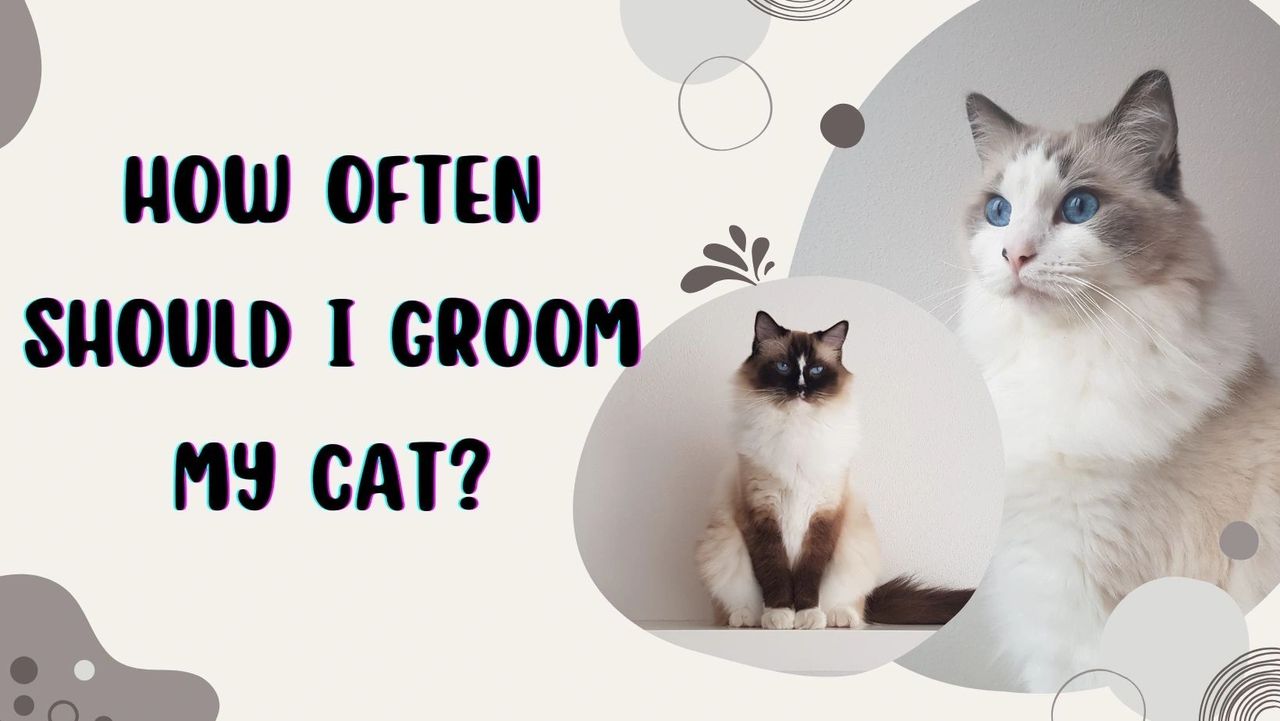
Are you wondering if you should groom your cat? You might think cats take care of themselves, but regular grooming can make a big difference in your cat’s health and happiness.
Whether your cat has long fur or short hair, grooming helps reduce shedding, prevent mats, and even catch health problems early. You’ll discover why grooming matters, how it benefits your furry friend, and simple tips to make the experience easy and enjoyable for both of you.
Keep reading to find out how a little care can go a long way in keeping your cat comfortable and looking great.
Benefits Of Cat Grooming
Grooming your cat offers several important benefits. It keeps your cat healthy and comfortable. Regular grooming helps maintain a shiny and clean coat. It also supports your cat’s overall well-being. Here are some key benefits of cat grooming.
Improving Coat Health
Grooming removes dirt and debris from your cat’s fur. It spreads natural oils that keep the coat soft and shiny. This process prevents tangles and mats that can cause pain. Healthy fur means your cat looks and feels better.
Reducing Shedding
Brushing your cat often helps reduce loose fur around your home. It catches the hair before it falls off naturally. This lowers the amount of fur on furniture and clothes. Less shedding means a cleaner living space for everyone.
Preventing Hairballs
Cats swallow loose fur while grooming themselves. Too much fur in the stomach causes hairballs. Regular brushing removes loose fur before your cat can swallow it. This reduces hairball formation and helps your cat stay comfortable.
Strengthening Cat-human Bond
Grooming is a time to connect with your cat. It builds trust and comfort between you both. Many cats enjoy gentle brushing and petting sessions. This shared time strengthens your relationship and makes your cat happy.
Signs Your Cat Needs Grooming
Grooming keeps your cat healthy and comfortable. Cats groom themselves, but sometimes they need extra help. Recognizing signs your cat needs grooming helps prevent health issues. Watch for changes in fur and skin. These signals show when grooming is necessary.
Matted Fur And Tangles
Matted fur feels hard and clumped. Tangles pull on your cat’s skin and cause pain. Matted fur can trap dirt and moisture. This leads to infections and skin problems. Long-haired cats often get mats. Regular brushing prevents mats and keeps fur smooth.
Excessive Shedding
Shedding is normal but too much means a problem. Large clumps of fur on furniture or clothes show excess shedding. It may signal stress, poor diet, or health issues. Grooming removes loose fur and stops hairballs. It helps your cat feel lighter and cleaner.
Dry Or Dull Coat
A healthy coat shines and feels soft. Dry or dull fur looks rough and brittle. This can result from poor nutrition or lack of grooming. Brushing spreads natural oils that shine fur. Grooming also stimulates blood flow to the skin. Your cat’s coat will look healthy and bright.
Skin Irritations
Redness, bumps, or scabs show skin irritation. Cats may scratch or lick these areas often. Irritations come from allergies, parasites, or infections. Grooming helps spot skin problems early. Cleaning fur and skin reduces irritants. Prompt care keeps your cat comfortable and healthy.
Grooming Tools To Use
Choosing the right grooming tools makes caring for your cat easier. Each cat has unique needs based on fur type and health. Using the correct tools keeps your cat comfortable and healthy. This section explains essential tools for effective grooming.
Brush Types For Different Fur
Short-haired cats benefit from soft bristle brushes. These remove loose fur gently and stimulate skin. Medium to long fur needs slicker brushes. They reach through thick fur and remove tangles. For very long or dense fur, use pin brushes. They untangle without hurting the skin. Wire brushes work well for thick undercoats.
Combs And Dematting Tools
Combs help find small knots and mats early. Wide-tooth combs work for general detangling. Fine-tooth combs catch loose hair and dirt. Dematting tools cut through tough mats carefully. Use dematting rakes for heavy tangles. Always comb gently to avoid hurting your cat.
Nail Clippers And Safety
Sharp nail clippers keep your cat’s nails short. Use scissor-type clippers for better control. Guillotine clippers work too but need practice. Hold the paw firmly but gently. Avoid cutting the pink quick inside the nail. Trim nails regularly to prevent scratching injuries.
Cleaning Supplies
Use pet-safe wipes to clean your cat’s face and ears. Cotton balls soaked in warm water help remove dirt. Ear cleaners made for cats remove wax safely. Keep eye wipes handy for tear stains. Regular cleaning prevents infections and keeps your cat fresh.

Credit: www.purina.com
Step-by-step Grooming Routine
Grooming your cat helps keep their coat clean and healthy. Begin by brushing gently to remove loose fur and dirt. Regular grooming also strengthens your bond and lets you spot any health issues early.
Grooming your cat is essential to their health and happiness. This guide will help you maintain your cat’s coat, nails, and overall well-being. Here’s a step-by-step grooming routine for your feline friend.Preparing Your Cat
Before grooming, create a calm environment. Choose a quiet room free from distractions. Gather your grooming tools. These include a brush, nail clippers, and pet-friendly shampoo. Speak softly to your cat to keep them relaxed. Offer a treat to establish a positive association.Brushing Techniques
Regular brushing removes loose hair and prevents mats. Use a soft-bristle brush for short-haired cats. For long-haired cats, use a wide-toothed comb. Brush gently in the direction of hair growth. Pay special attention to areas prone to tangles, like under the belly. Make each session short to avoid stressing your cat.Bathing Tips
Cats usually groom themselves, but sometimes baths are necessary. Use lukewarm water and a pet-safe shampoo. Wet your cat slowly, avoiding the face. Lather gently, then rinse thoroughly. Dry your cat with a towel. Ensure the room is warm to prevent your cat from getting cold.Nail Trimming Guide
Regular nail trims prevent overgrowth and discomfort. Use a clipper designed for cats. Press the pad to extend the nail. Trim the sharp tip, avoiding the quick. The quick is the pink part inside the nail. If you’re unsure, trim just the tip. Offer a treat after to reward your cat.Dealing With Grooming Challenges
Grooming cats can be tricky. Many cats do not enjoy being brushed or handled. This can lead to stress for both you and your cat. Understanding common grooming challenges helps make the process easier. Patience and gentle care go a long way. Knowing how to manage nervous behavior, prevent scratches, and recognize when to ask for help makes grooming safer and more effective.
Handling Nervous Cats
Some cats get scared during grooming. They may hide or try to escape. Speak softly to calm your cat. Use slow, gentle movements. Let your cat smell the brush before starting. Short grooming sessions work best. Stop if your cat shows signs of stress. Try again later. Reward your cat with treats or petting after grooming. This builds trust over time.
Avoiding Scratches And Bites
Cats may scratch or bite if they feel threatened. Protect your hands with thick gloves. Use a towel to gently wrap your cat if needed. Pay attention to your cat’s body language. Ears back or tail flicking means irritation. Take breaks often. Avoid forcing grooming if your cat resists. Use the right tools to reduce pulling on fur. This helps keep your cat calm and safe.
When To Seek Professional Help
Some cats need expert grooming. Mats and tangles can be painful to remove. If your cat is very nervous, a groomer can help. Professionals have experience handling difficult cats. They use proper tools and techniques. A vet groomer can also check for skin problems. Don’t wait if grooming becomes too hard. Getting help ensures your cat stays healthy and comfortable.
)
Credit: www.northroadvet.com.au
Special Grooming Needs
Cats have different grooming needs based on their age, coat type, and health. Some cats need more care to stay clean and comfortable. Understanding these special needs helps keep cats happy and healthy.
Long-haired Cats
Long-haired cats need daily brushing to stop mats and tangles. Their fur can trap dirt and debris. Regular grooming helps prevent hairballs and skin problems. Use a wide-tooth comb or a slicker brush. Check for knots gently to avoid hurting your cat.
Senior Cats
Older cats groom less often due to arthritis or weakness. Their fur can become matted or greasy. Help by brushing them regularly but softly. Watch for skin changes or lumps during grooming. Keep grooming sessions short to avoid stress.
Cats With Health Issues
Cats with health problems need careful grooming. Conditions like obesity or illness can limit movement. They may not clean themselves well. Use gentle strokes and keep nails trimmed. Ask a vet for advice on special grooming tools or techniques. Always be patient and calm during grooming.
Maintaining A Healthy Coat Year-round
Maintaining a healthy coat for your cat throughout the year takes more than just occasional brushing. It requires a combination of good nutrition, regular health monitoring, and adapting grooming routines to the changing seasons. When you focus on these areas, your cat’s fur stays shiny, soft, and free of mats or skin problems.
Diet And Nutrition
Your cat’s coat reflects what’s on their plate. High-quality food rich in omega-3 and omega-6 fatty acids supports skin health and gives fur a natural shine.
Think about adding supplements like fish oil if your vet agrees. I noticed my cat’s coat became noticeably glossier after switching to a diet with better fat balance. Have you checked if your cat’s food supports their skin and fur?
Regular Vet Checkups
Sometimes, dull or patchy fur signals underlying health issues. Regular vet visits help catch problems like allergies, parasites, or hormonal imbalances early.
Don’t wait for visible signs. Your vet can recommend treatments or dietary changes to keep your cat’s coat in top shape. How often do you bring your cat in just for a coat and skin check?
Seasonal Grooming Adjustments
Grooming needs shift with the seasons. Cats shed more in spring and fall, so brushing more often during these times reduces loose hair and prevents mats.
In winter, focus on moisturizing shampoos or conditioners if your cat’s skin gets dry. Adjusting your grooming routine helps your cat stay comfortable year-round. Have you noticed your cat’s grooming needs change with the seasons?

Credit: www.reddit.com
Frequently Asked Questions
How Often Should I Groom My Cat?
Groom your cat at least once a week to prevent mats and hairballs. Long-haired cats need more frequent grooming, ideally daily. Regular grooming keeps their coat healthy and reduces shedding. It also helps you check for skin issues or parasites early.
What Are The Benefits Of Grooming My Cat?
Grooming reduces hairballs, prevents mats, and controls shedding. It improves your cat’s skin and coat health. Grooming also strengthens your bond with your cat and helps detect health problems early. Plus, it keeps your home cleaner from loose fur.
Can Grooming Reduce My Cat’s Shedding?
Yes, grooming effectively reduces shedding by removing loose fur. Brushing your cat regularly captures dead hair before it falls off. This minimizes fur on furniture and clothes. It also promotes healthy skin and a shinier coat, keeping your cat comfortable.
Is Professional Cat Grooming Necessary?
Professional grooming is useful for long-haired or elderly cats. Experts can handle mats, nail trims, and ear cleaning safely. Regular professional grooming complements home care, especially if your cat dislikes grooming. It ensures thorough maintenance and keeps your cat healthy.
Conclusion
Grooming your cat helps keep its coat clean and healthy. It reduces hairballs and prevents matting. Regular brushing also builds a strong bond between you and your pet. Some cats enjoy grooming, while others may need gentle patience. Keep sessions short and calm to avoid stress.
Overall, grooming supports your cat’s comfort and well-being. It’s a simple way to show love and care every day. Try it and see how your cat responds.

Leave a Reply