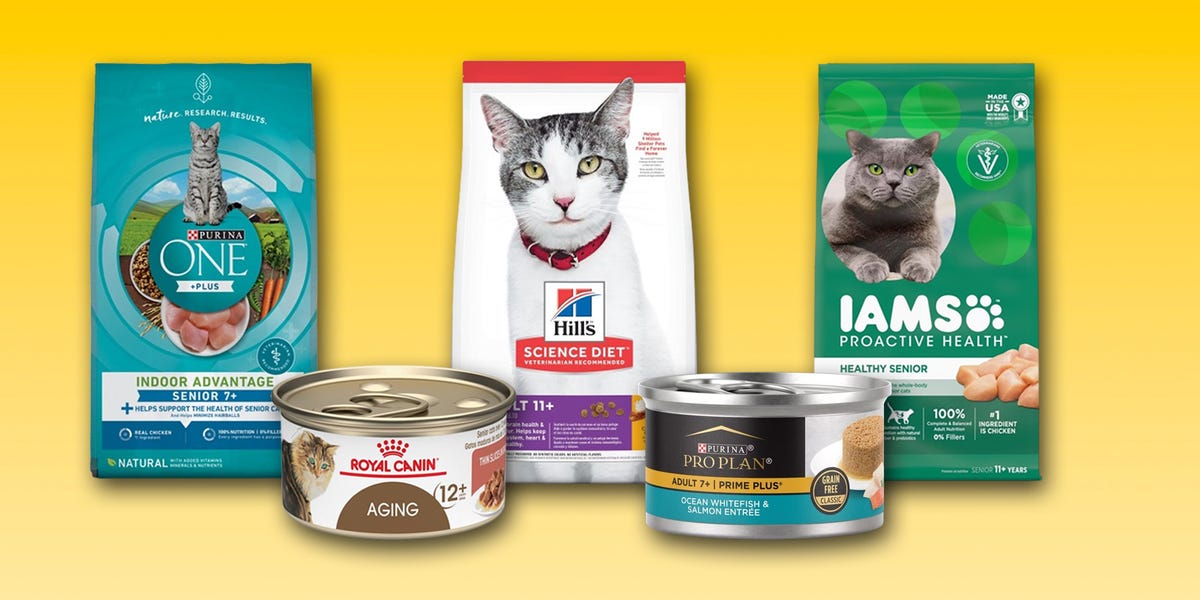
Are you wondering if your young adult cat can safely eat senior cat food? Choosing the right diet for your feline friend is crucial for their health and happiness.
You want to make sure your cat gets the right nutrients at every stage of life. But what happens if you switch to senior food too soon? Could it help or harm your cat? Keep reading to discover the facts and learn how to make the best feeding choices for your cat’s well-being.
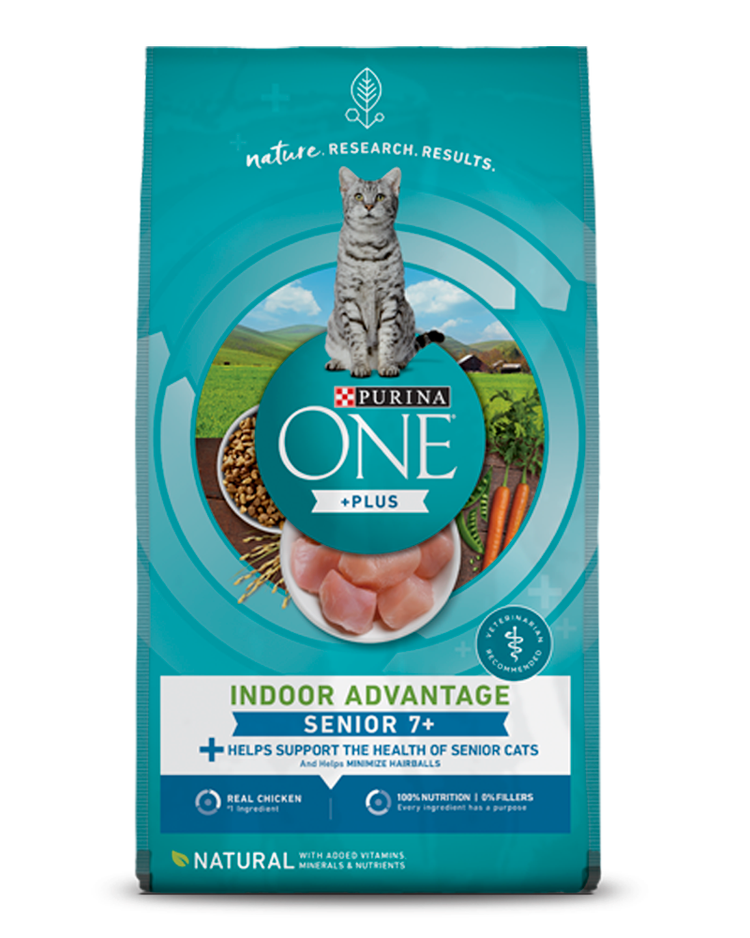
Credit: www.purina.com
Nutritional Needs Of Young Adult Cats
Young adult cats have specific nutritional needs to support their growth and active lifestyle. Their diet must provide the right balance of energy, protein, fats, vitamins, and minerals. Feeding them appropriate food helps maintain their health and vitality.
Energy Requirements
Young adult cats need more energy than senior cats. They are usually more active and playful. Their food should supply enough calories to support this energy level. Too few calories can lead to weight loss and low energy. Too many calories may cause obesity.
Protein And Fat Levels
Protein is essential for muscle development and repair. Young adult cats require higher protein levels than older cats. Fat provides a concentrated energy source and supports healthy skin and coat. Their food should have balanced protein and fat to meet these needs.
Vitamin And Mineral Needs
Vitamins and minerals support overall health and body functions. Young adult cats need nutrients like calcium, phosphorus, and vitamins A and E. These help bone strength, immune system, and vision. Proper amounts in their diet prevent deficiencies and health issues.
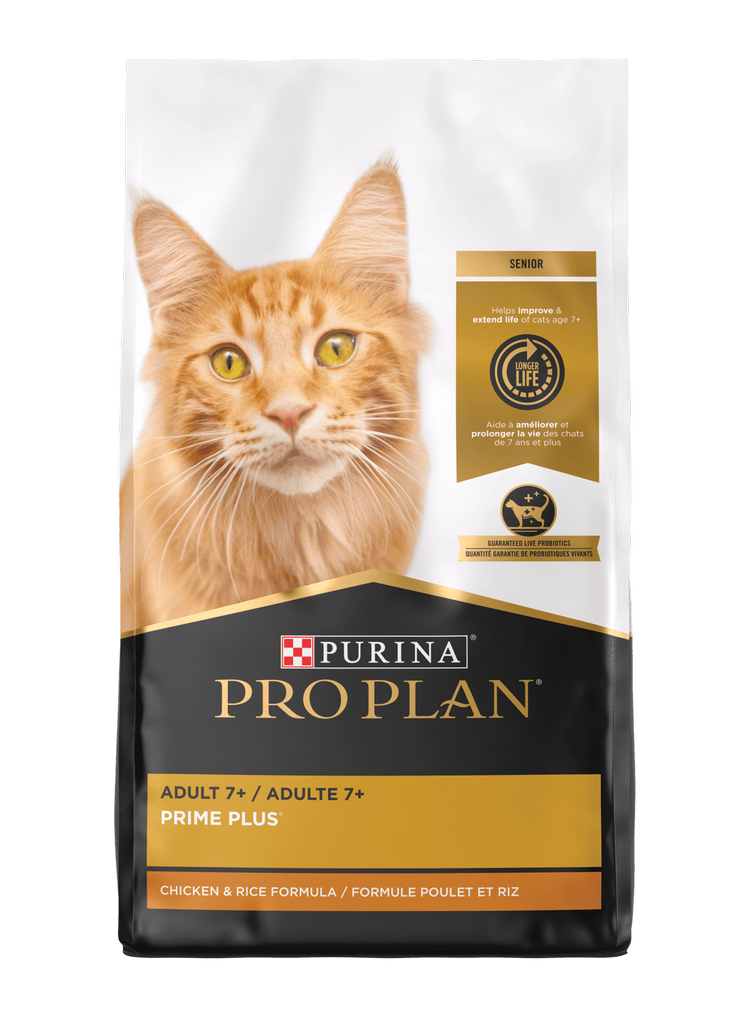
Credit: www.purina.com
What Senior Cat Food Offers
Senior cat food is specially designed to meet the changing needs of aging cats. It offers specific nutrients and adjustments that support their health and comfort as they grow older. Understanding what these foods provide can help you decide if they are suitable for your young adult cat.
Lower Calorie Content
Senior cat food typically contains fewer calories to match the slower metabolism of older cats. This helps prevent unwanted weight gain, which can lead to other health problems.
If your young adult cat is very active, they may need more calories than senior food provides. You might notice your cat feels less energetic or starts losing weight if the food is too low in calories.
Joint Support Ingredients
Ingredients like glucosamine and chondroitin are often added to senior cat food to support joint health. These nutrients can help reduce stiffness and improve mobility in aging cats.
Young cats usually don’t need these extras unless they have specific joint issues. Feeding these supplements unnecessarily might not harm them, but it won’t offer significant benefits either.
Digestive Health Components
Senior formulas often include added fiber and probiotics to aid digestion and maintain gut health. This helps older cats with slower digestive systems and sensitive stomachs.
Your young adult cat’s digestion is likely more efficient, so these components may be less critical. However, if your cat has digestive sensitivities, senior food could provide some mild support.
Risks Of Feeding Senior Food To Young Cats
Feeding senior cat food to young adult cats can lead to several health issues. Senior cat food is specially made for older cats’ needs. Young cats have different nutritional requirements that senior food may not meet. This mismatch can cause problems over time.
Nutritional Imbalance
Senior cat food usually contains lower protein and fat levels. Young cats need higher protein and fat for growth and energy. Feeding senior food can lead to a lack of vital nutrients. This imbalance may affect muscle development and overall health.
Potential Weight Gain
Senior formulas often have fewer calories to prevent obesity in older cats. Young cats require more calories to support their active lifestyle. Eating low-calorie senior food may cause weight gain or fat accumulation. This can lead to other health complications.
Lack Of Essential Nutrients
Senior cat food may lack key vitamins and minerals young cats need. Nutrients like taurine, calcium, and phosphorus are vital for young cats’ growth. Insufficient intake can weaken bones, vision, and heart health. Balanced nutrition is critical during early adult years.

Credit: www.businessinsider.com
When Senior Food Might Be Suitable
Senior food suits cats with slower metabolism or health issues needing gentle nutrition. Young adult cats usually need more energy and nutrients than senior food provides. Occasionally, vets may recommend senior food for young cats with specific health needs.
Understanding when senior cat food might be appropriate for your young adult cat can be quite enlightening. While these foods are typically tailored for older felines, there are circumstances where they may benefit younger cats too. Let’s explore some of these scenarios to see if senior cat food could be a suitable choice for your pet.Medical Conditions
Certain health issues might make senior cat food a good option for your young adult cat. For instance, if your cat has kidney problems, senior foods often contain lower protein levels, which can reduce stress on the kidneys. A friend once found that switching to senior food helped her young cat with early-stage kidney disease maintain better health. Senior food can also be beneficial for overweight cats due to its lower calorie content. If your young cat struggles with weight, this could be a simple dietary change to consider.Veterinarian Recommendations
Always consult your veterinarian before making any dietary changes. They can provide insights into whether a senior formula is appropriate for your young cat’s specific health needs. A vet might recommend senior food if your cat has specific dietary requirements that align with senior formulas. Trusting professional advice ensures you’re making the best choice for your cat’s health.Transitioning Diets
Switching your young cat to senior food should be a gradual process. Start by mixing small amounts of senior food with their current diet, gradually increasing the proportion over a week or two. Observe your cat’s reaction to the new diet closely. Look for any changes in energy levels, digestion, or overall health, and adjust the transition pace if necessary. Have you ever wondered how your cat might react to a new food? This transition period is the perfect time to find out. Engage with your pet during mealtimes to monitor their acceptance of the new food. This can be an opportunity to strengthen your bond while ensuring their nutritional needs are met.Choosing The Right Diet For Your Cat
Choosing the right diet for your cat is essential to keep them healthy and happy through every stage of life. Whether your cat is young or entering their senior years, their nutritional needs can vary significantly. Making informed decisions about their food can prevent health issues and improve their quality of life.
Reading Pet Food Labels
Understanding pet food labels can feel confusing, but it’s key to picking the right diet. Look for clear information on protein sources, fat content, and added vitamins or minerals. Avoid foods with too many fillers like corn or wheat, as these offer little nutritional value.
Pay attention to the life stage indicated on the package. Senior cat food usually contains fewer calories and more fiber to support digestion, while young adult formulas focus on energy and muscle maintenance. Comparing these details helps you decide if senior food is suitable for your younger cat.
Consulting Professionals
Talking to your vet is one of the best steps you can take. They understand your cat’s specific health needs and can recommend the ideal diet based on age, weight, and any medical conditions. Don’t hesitate to ask about the pros and cons of feeding senior food to a young adult cat.
Nutritionists or pet dietitians can also provide tailored advice. They might suggest gradual diet changes or supplements that align with your cat’s lifestyle. These expert opinions can save you from costly mistakes and ensure your cat thrives.
Monitoring Cat’s Health
After choosing a diet, watch your cat closely for any changes in behavior, weight, or coat quality. A healthy cat is active, has a shiny coat, and maintains a steady weight. If your cat seems lethargic or loses interest in food, their diet might need adjustment.
Keep a journal of your cat’s eating habits and health signs. This record helps identify what works and what doesn’t. You might discover that senior food lacks certain nutrients your young cat needs, prompting a switch back to adult formulas.
Frequently Asked Questions
Can Young Adult Cats Eat Senior Cat Food?
Yes, young adult cats can eat senior cat food, but it’s not ideal. Senior food has fewer calories and nutrients designed for older cats. Feeding it to younger cats may cause nutritional deficiencies or weight loss.
What Are The Risks Of Feeding Senior Food To Young Cats?
Feeding senior food to young cats can lead to insufficient protein, vitamins, and calories. This may cause poor growth, low energy, and weakened immunity. Young cats need more nutrients to support their active lifestyle and development.
When Should A Cat Switch To Senior Food?
Cats should switch to senior food around 7 to 10 years old. This depends on their health and activity level. Consult a vet to determine the best time for the dietary change.
Can Feeding Senior Food Affect A Cat’s Health?
Feeding senior food to younger cats can impact health negatively. It may cause weight loss, muscle loss, and nutrient deficiencies. Always choose food appropriate for your cat’s life stage to maintain optimal health.
Conclusion
Senior cat food may not suit young adult cats’ needs well. Young cats need more protein and energy for growth. Senior food often has fewer calories and nutrients. Feeding the wrong food can affect your cat’s health. Always check with your vet before changing diets.
Choose food that matches your cat’s age and activity. Healthy eating helps your cat stay active and happy. Keep your cat’s diet balanced for a long, healthy life.



Leave a Reply